Food & Treats

9 Best Puppy Food for German Shorthaired Pointers 2026: Protect Joints Now

Find the best puppy food for German Shorthaired Pointer puppies that supports joint health and growth without tummy troubles.

German Shorthaired Pointer puppies are energetic and grow fast, but not all puppy foods address the specific needs of a large breed prone to hip issues. Many owners find that standard formulas either lack joint support or cause digestive upset during the critical growth phase.

The real challenge is balancing proper nutrition for bone and joint development with a food your puppy will actually eat and digest well. This guide focuses on formulas that provide controlled growth rate, glucosamine for joints, and DHA for brain development — without the high rate of tummy troubles that some popular options bring.

1

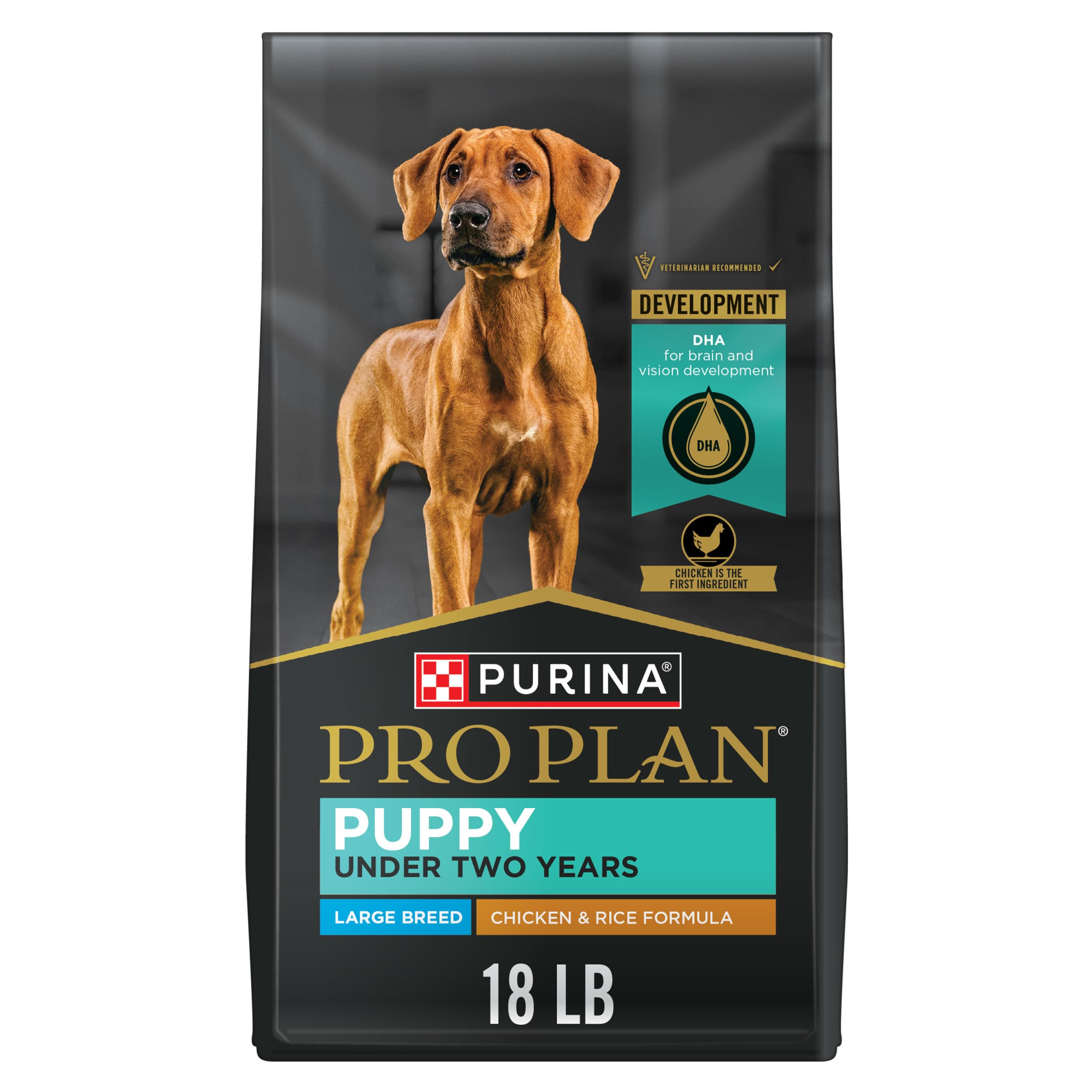
Purina Pro Plan Large Breed

Top Pick
Purina Pro Plan Large Breed

Large breed puppies

Our Score 9.4/10
Check Price

Worth Noting

  • Some puppies experience digestive upset (diarrhea or vomiting) when transitioning to this food.
  • Per-pound price is higher than budget-friendly large breed alternatives.
DHA
Yes
Breed Size
Large
Protein & Fat
28% min protein
Read the full review

Purina Pro Plan Large Breed formula provides targeted nutrition for large breed puppies with added glucosamine to support joint development and controlled calcium levels to ensure a proper growth rate. DHA from fish oil aids brain and vision development, and real chicken is the first ingredient, offering a protein-rich foundation. The grain-inclusive recipe with rice is generally well-tolerated and may cause fewer digestive issues compared to grain-free options, though individual responses vary.

In practice, the kibble size and texture suit the jaw size of large breed puppies, and most puppies take to it readily. Coat quality often improves noticeably, with owners reporting glossier fur and healthier skin. The kibble has a pleasant aroma that many puppies find appealing. The digestive response is variable: some puppies sail through the transition, while others experience loose stools or vomiting. This is not unusual for a nutrient-dense food, and a gradual introduction over 7-10 days usually resolves it.

This formula fits owners of large breed puppies, particularly high-energy breeds like German Shorthaired Pointers, who want dedicated joint support and are willing to pay a premium for it. Owners should plan a careful food transition and monitor their puppy's digestion. Puppies with extremely sensitive stomachs may do better on the lamb-based formula from the same brand. Budget-conscious owners will find more affordable options elsewhere. Compared to Purina ONE, this Pro Plan formula comes at a higher per-pound cost but tends to cause fewer digestive difficulties during feeding.

Transition over 7-10 days by gradually mixing with the old food to minimize digestive upset.

Bottom line: For owners of large breed puppies who prioritize joint health and are willing to manage a careful food transition, this formula delivers on growth rate control and coat quality.
2

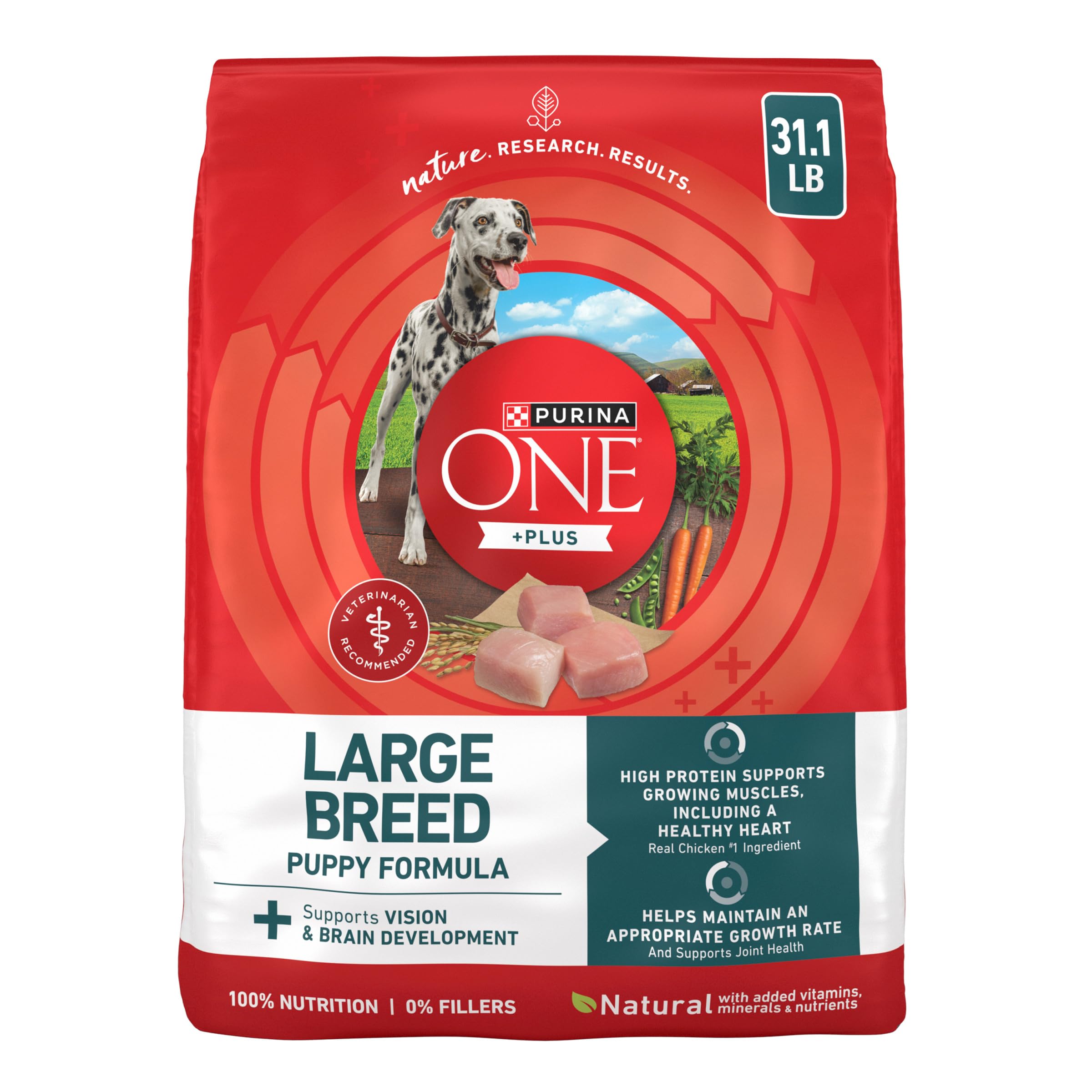
Purina ONE Large Breed Puppy

Purina ONE Large Breed Puppy

Budget-conscious owners

Our Score 9.4/10
Check Price

Worth Noting

  • Digestive upset such as diarrhea or vomiting can occur during the transition.
  • Palatability may be inconsistent
DHA
Yes
Breed Size
Large
Protein & Fat
26% min protein
Read the full review

Purina ONE Plus offers a 31.1-pound bag of large breed puppy food with real chicken as the first ingredient, plus added glucosamine for joint support and DHA for brain development. At roughly 40% less per pound than the top pick, this is the clear value leader for owners who want joint support without the premium price tag. However, digestive sensitivity is more common here – some puppies experience diarrhea or vomiting, and palatability can be hit-or-miss. That tradeoff is worth considering if your GSP puppy has a sensitive stomach.

This formula suits owners of German Shorthaired Pointers who are budget-conscious and want a large breed-specific recipe with joint support. It is a solid fit for puppies with robust digestion and adventurous appetites. If your puppy is picky or prone to loose stools, the Pro Plan large breed formula may be a safer bet despite the higher cost.

Transition slowly over 7-10 days by mixing with your puppy's current food to minimize digestive upset.

Bottom line: For GSP owners on a budget who want joint support in a large breed formula, this is the most cost-effective option – just be prepared to monitor your puppy's digestion during the first few weeks.

3

Blue Buffalo Baby Blue 11lb

Blue Buffalo Baby Blue 11lb

Blue Buffalo fans

Our Score 9.4/10
Check Price

Worth Noting

  • Some puppies develop diarrhea after eating this food.
  • A portion of puppies refuse to eat it, limiting its reliability as a staple.
DHA
Yes
Breed Size
Large
Protein & Fat
Read the full review

Blue Buffalo Baby Blue leads with real chicken as the first ingredient, DHA for brain development, and LifeSource Bits for antioxidants. The kibble size is noticeably small – a practical fit for puppies with baby teeth still learning to chew. Along with no corn, wheat, or soy, the ingredient list appeals to owners who prioritize a cleaner protein profile over heavy processing.

The formula is not tailored for large breed growth. There is no added glucosamine or controlled calcium to manage joint development in fast-growing puppies like German Shorthaired Pointers. Puppies can experience digestive upset during transition, and palatability varies – some individuals refuse the food outright. This works best for owners who are already committed to the Blue Buffalo brand and have a puppy that tolerates the recipe without loose stools.

Transition slowly over 7–10 days – the digestive upset risk is higher with this recipe than with some large-breed-specific options.

Bottom line: Choose this if you prioritize natural ingredients and small kibble for a teething puppy that has a sturdy stomach. For joint support and a larger breed formula, the top pick is the better fit.

4

IAMS Large Breed Puppy 30.6lb

IAMS Large Breed Puppy 30.6lb

Tight budgets

Our Score 9.4/10
Check Price

Worth Noting

  • Digestive upset — diarrhea or vomiting
  • Some puppies may lose interest in the taste over time, leading to a food refusal phase.
DHA
Yes
Breed Size
Large
Protein & Fat
Read the full review

IAMS Proactive Health Large Breed Puppy delivers the cheapest per-pound price in this comparison, with real chicken listed first and DHA for brain and vision development. Compared to the Purina ONE large breed formula, the IAMS saves a few dollars per bag, but the tradeoff appears in digestive consistency — a narrower range of puppies tolerate it without issue.

This option suits owners on a tight budget whose puppies have robust digestion and no history of food sensitivities. For German Shorthaired Pointers, which can be prone to gastric sensitivity, the Purina ONE or Pro Plan formulas provide a safer bet if you want to avoid transition troubles.

Transition over 10-14 days and monitor stool consistency — if loose stools appear, switch to a gentler formula.

Bottom line: A budget-friendly large breed puppy food that works well for hearty eaters with iron stomachs. If your puppy has any digestive sensitivity, the extra cost of Purina ONE or Pro Plan is likely worth the trade.

5

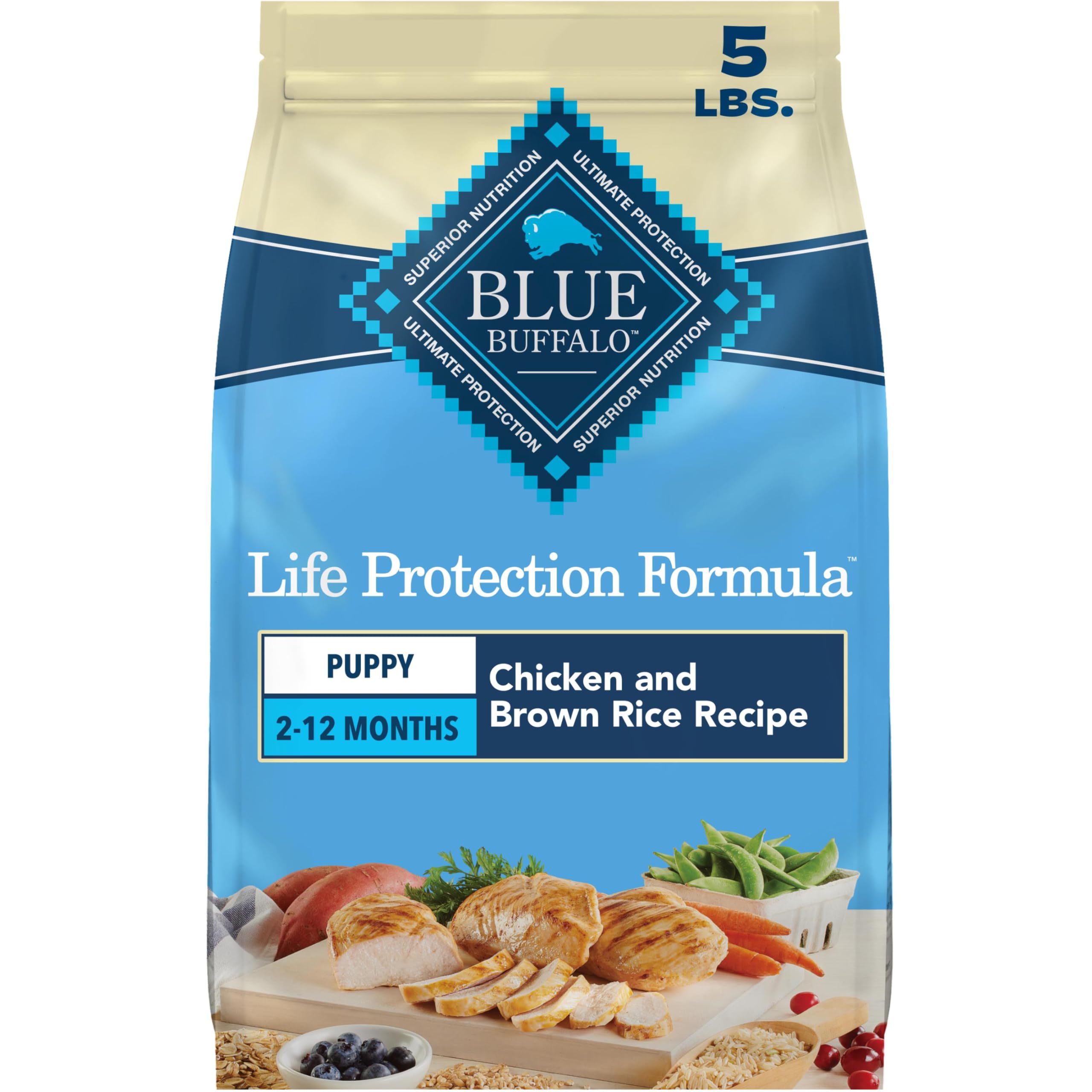
Blue Buffalo Life Prot Chicken

Blue Buffalo Life Prot Chicken

Small households

Our Score 9.4/10
Check Price

Worth Noting

  • Bag size (5 lb) is suited for trial only, not long-term feeding of a medium-large breed.
  • Some puppies may experience diarrhea when first introduced to this food.
DHA
Yes
Breed Size
Medium/All
Protein & Fat
Read the full review

This grain-inclusive formula uses real chicken first, brown rice, and LifeSource Bits for antioxidant support. It includes DHA for brain development and most puppies find it palatable. However, the 5 lb bag is too small to sustain a growing German Shorthaired Pointer long-term, and some puppies may experience loose stools during transition. This makes it more of a trial-size option for owners wanting to test the food before buying a larger bag, rather than a practical daily feed for a large breed puppy.

Bottom line: Best as a trial bag to see if your puppy tolerates and enjoys the formula before committing to a larger bag, or for small breed puppies.

6

Purina Pro Plan Lamb & Rice

Purina Pro Plan Lamb & Rice

Chicken allergies

Our Score 9.4/10
Check Price

Worth Noting

  • Some puppies may develop loose stools during the transition to this food.
  • The 6 lb bag is small for large breed puppies and costly per pound.
DHA
Yes
Breed Size
Medium/All
Protein & Fat
28% min protein
Read the full review

This lamb and rice formula with live probiotics offers a highly digestible option for puppies with chicken sensitivities. The 28% protein from real lamb supports lean growth, and most puppies take to it readily. However, the 6 lb bag is too small for a growing German Shorthaired Pointer, and the per-pound cost is high. It is not formulated for large breed growth needs, making it better suited as a short-term trial or for small breed puppies with allergies.

Transition gradually over 7-10 days to reduce the risk of loose stools.

Bottom line: Best for puppies with chicken allergies who need a highly digestible lamb formula – but the small bag and higher cost make it a short-term or trial option rather than a long-term solution for a growing GSP.

7

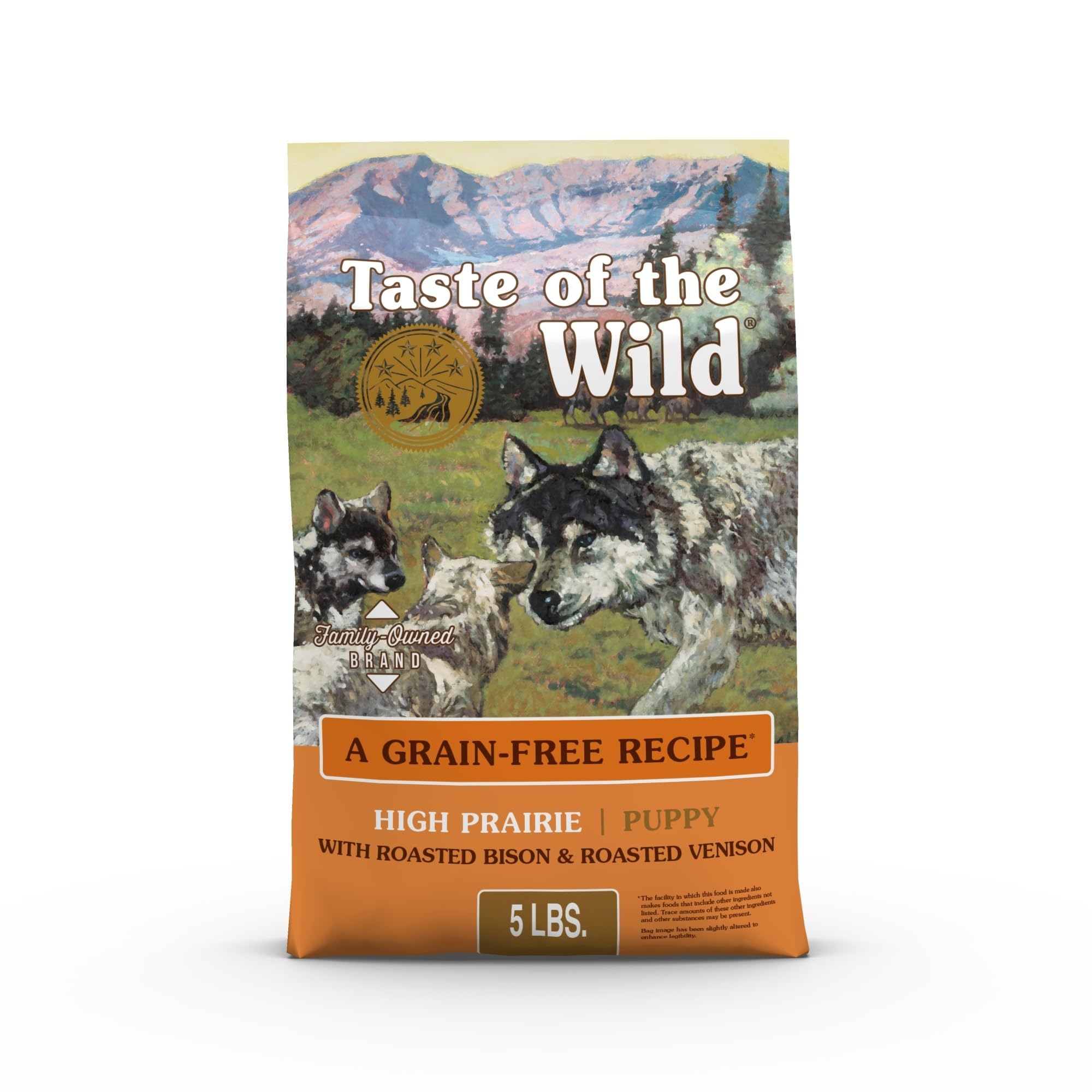
Taste of the Wild High Prairie

Taste of the Wild High Prairie

Grain allergies

Our Score 9.4/10
Check Price

Worth Noting

  • The 5 lb bag costs more per pound than larger alternatives, adding up over time.
  • Some puppies may refuse the taste; palatability can be inconsistent between bags.
DHA
Breed Size
All
Protein & Fat
28% min protein
Read the full review

This grain-free formula uses bison and venison as first ingredients, making it a good option for GSP puppies with chicken or grain sensitivities. The 5 lb bag carries a premium per-pound cost, and the grain-free approach is not needed for most German Shorthaired Pointers. Palatability can be hit-or-miss -- some puppies may refuse it, so a trial bag makes sense before committing.

Bottom line: Worth considering only for GSP puppies with confirmed grain or chicken allergies that need a novel protein source, and only after confirming your puppy will eat it -- the higher per-pound cost and potential refusal are real trade-offs.

8

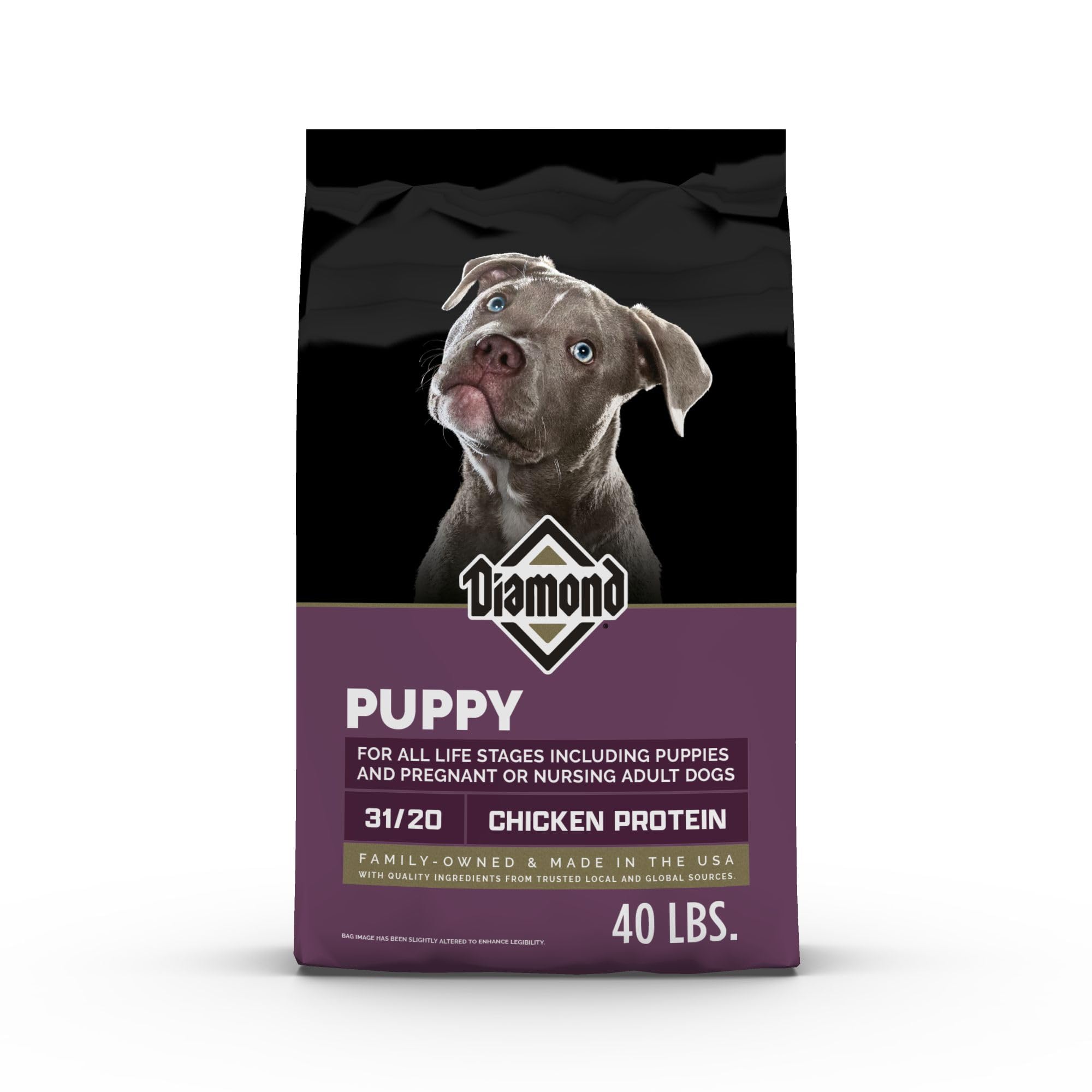
Diamond Puppy 40lb

Diamond Puppy 40lb

Multiple puppies

Our Score 9.2/10
Check Price

Worth Noting

  • Some bags arrive with rancid odor or insect contamination, so inspect immediately
  • Can cause digestive upset like diarrhea or vomiting, especially during transition
DHA
Yes
Breed Size
Large
Protein & Fat
31% protein, 20% fat
Read the full review

This 40-pound bag delivers the lowest per-pound cost among large-format puppy foods, with 31% protein, 20% fat, DHA for brain development, and added probiotics. The small kibble size suits puppies well. However, some bags arrive with a rancid smell or insects, and the formula can trigger diarrhea and vomiting in sensitive pups. These risks make it more practical for kennels or multi-puppy households than for a single GSP puppy where consistency matters more.

Bottom line: Well suited for multi-dog households or kennels where the low price outweighs the risk of occasional quality issues and digestive sensitivity.

9

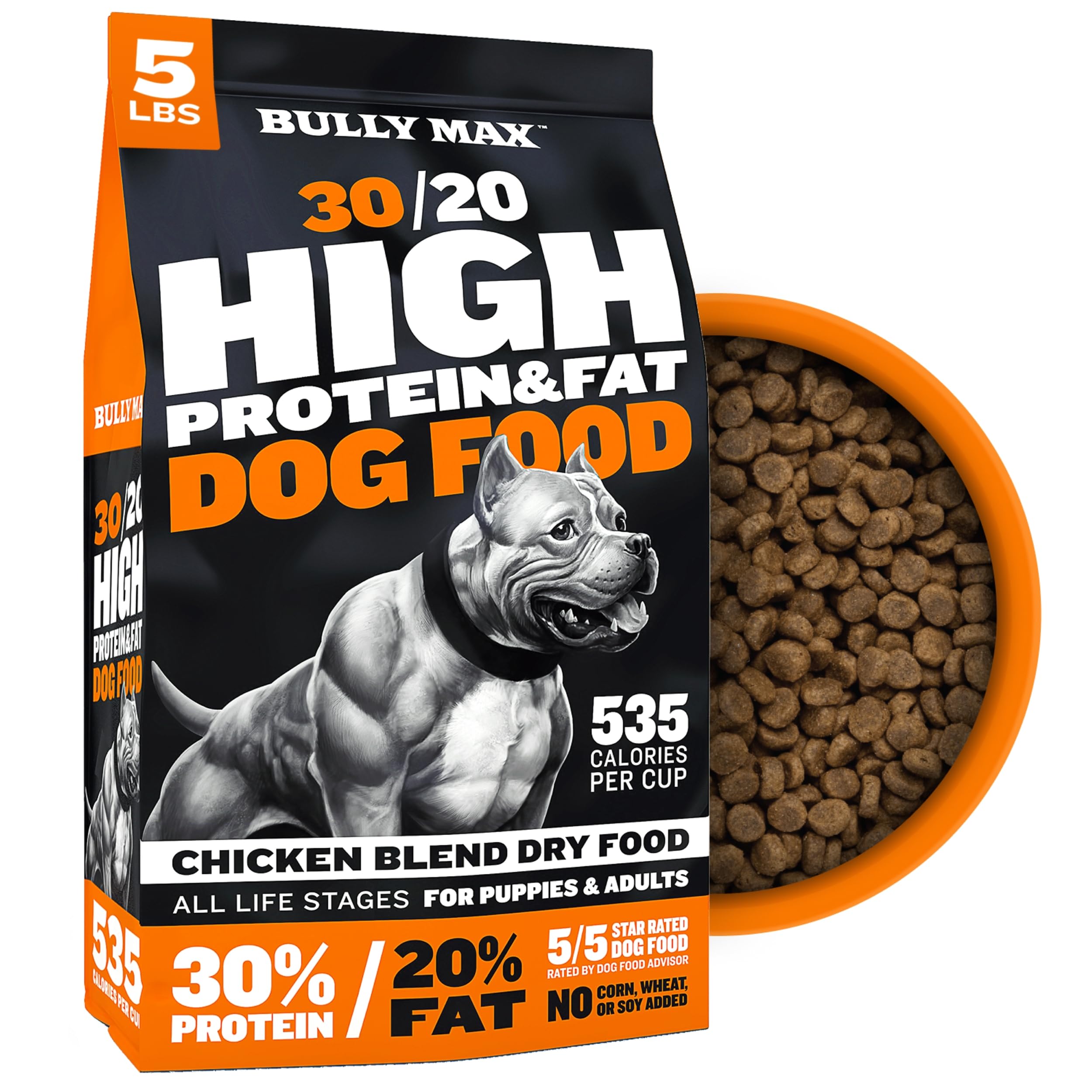
Bully Max 30/20 High Calorie

Bully Max 30/20 High Calorie

Weight gain

Our Score 9.2/10
Check Price

Worth Noting

  • Very expensive per pound
  • Digestive issues
DHA
Breed Size
Large
Protein & Fat
30% protein, 20% fat
Read the full review

This formula delivers 535 calories per cup (30% protein, 20% fat) and has shown noticeable weight and muscle gain in underweight puppies. However, for a normal healthy GSP puppy, the calorie density poses a risk of obesity, and the per-pound cost is premium. It is best reserved as a short-term bulking tool rather than a daily maintenance diet.

Bottom line: Best used for short-term weight gain in underweight or extremely active GSP puppies, but not suitable as a daily diet for normal puppies.

How to Choose

Protein and Fat Content

Protein supports muscle development, but excessive protein in large breed puppies can accelerate growth and stress joints. Aim for 26-30% protein with moderate fat (14-20%) to fuel activity without causing rapid weight gain.

High-protein grain-free formulas often push protein above 30%, which may be too rich for a GSP puppy's digestion and can lead to loose stools. Stick to grain-inclusive formulas with balanced protein levels for more consistent stool quality.

Breed-Size Specificity

Large breed puppy formulas contain controlled calcium and phosphorus levels to regulate bone growth and reduce the risk of developmental orthopedic disease. GSPs are prone to hip dysplasia, making this more than a marketing label.

A food labeled for 'all breeds' may not have the precise mineral balance that a large breed puppy needs. Using a large breed specific formula (like Purina Pro Plan Large Breed or IAMS Large Breed) provides the right calcium-to-phosphorus ratio for controlled growth.

DHA Content

DHA (docosahexaenoic acid) is an omega-3 fatty acid critical for brain and vision development in puppies. It is naturally found in fish oil and helps with trainability and cognitive function.

Most premium puppy foods include DHA, but the source matters: fish oil-based DHA is more bioavailable than plant-based alternatives. Check the ingredient list for fish oil or salmon oil as a DHA source for maximum benefit.

Probiotics and Digestive Health Support

Probiotics help maintain a healthy gut microbiome, reducing the risk of diarrhea during food transitions or stress. However, live probiotics are fragile and may degrade in dry kibble over time.

Some brands add a probiotic coating after cooking (e.g., Purina Pro Plan), while others rely on prebiotic fibers like chicory root. For GSP puppies with sensitive stomachs, a food with added probiotics or prebiotics can make the difference between firm stools and loose ones.

Kibble Size and Shape

Kibble size affects how easily a puppy picks up and chews food. For a 3-month-old GSP, kibble that is too large can discourage eating, while very small pieces encourage gulping and choking.

Look for kibble that is roughly pea-sized or slightly larger – around 8-12 mm diameter. Many large breed formulas offer slightly larger kibble to slow down eating, but it should still be small enough for young puppy jaws to manage.

Frequently Asked Questions