Food & Treats

12 Best Dog Food for German Shorthaired Pointers 2026: Fuel for Hunting and Play

German Shorthaired Pointer owners: find dry kibble that matches your dog's activity level and stomach – from 30/20 sport formulas to budget-friendly lamb.

German Shorthaired Pointers are built to run, hunt, and play all day. Their food needs to match that energy, but many 'high-protein' bags are more marketing than fuel. A 30% protein bag might still be loaded with cheap fillers that leave your GSP hungry or gassy.

The real choice comes down to protein-to-fat ratio, digestibility, and joint support – not just the first ingredient listed. This guide breaks down the options by activity level and budget, so you can pick a kibble that keeps your dog lean, energetic, and free from stomach upsets.

1

Hill's Science Diet Adult 1-6

Top Pick
Hill's Science Diet Adult 1-6

Vet recommended chicken

Our Score 9.6/10
Check Price

Worth Noting

  • Premium pricing may not fit all budgets.
Grain Status
Grain-inclusive
First Ingredient
Chicken
Read the full review

This chicken-and-barley formula from the #1 vet-recommended brand supports skin, coat, and digestive health. For active German Shorthaired Pointers, the moderate protein level is a limiting factor — it's more appropriate for dogs with lower activity needs.

Bottom line: This formula works well for owners who prioritize vet guidance for moderately active dogs, but GSPs with high exercise demands need a higher-protein option.

2

Pro Plan Sport 30/20

Pro Plan Sport 30/20

Active working GSPs

Our Score 9.4/10
Check Price

Worth Noting

  • Premium price compared to standard formulas may stretch budgets.
Grain Status
Grain-inclusive
First Ingredient
Chicken
Read the full review

The 30/20 protein-to-fat ratio is calibrated for dogs that run, hunt, or compete daily, providing steady energy and supporting lean muscle. Owners of high-output dogs see better endurance and muscle condition compared to standard high-protein foods.

This food suits GSPs that need to maintain or gain weight while staying active. The premium price reflects the specialized formulation, and a gradual transition over a week helps avoid loose stools during the switch.

Transition over 7-10 days to minimize loose stools.

Bottom line: For active GSP owners who prioritize performance over price, this formula delivers on its 30/20 promise.

3

Hill's Large Breed Lamb

Hill's Large Breed Lamb

Large breed joint

Our Score 9.4/10
Check Price

Worth Noting

  • Premium price compared to similar lamb-based formulas with comparable ingredients.
Grain Status
Grain-inclusive
First Ingredient
Lamb meal
Read the full review

Glucosamine and chondroitin make this large breed lamb formula a targeted choice for active GSPs needing joint support. The lamb meal base eliminates chicken, a common allergen, while brown rice provides fiber for consistent digestion. Coat condition and stool quality reflect the balanced nutrition. The price is premium relative to other lamb-based large breed foods — a tradeoff for the veterinary formulation. Some dogs may find the flavor less compelling than higher-protein blends, but for owners who prioritize joint care and a trusted brand, this is a sensible option.

Bottom line: For GSP owners who need joint support and a chicken-free diet, this formula delivers veterinary-backed nutrition — if you are willing to pay for it.

4

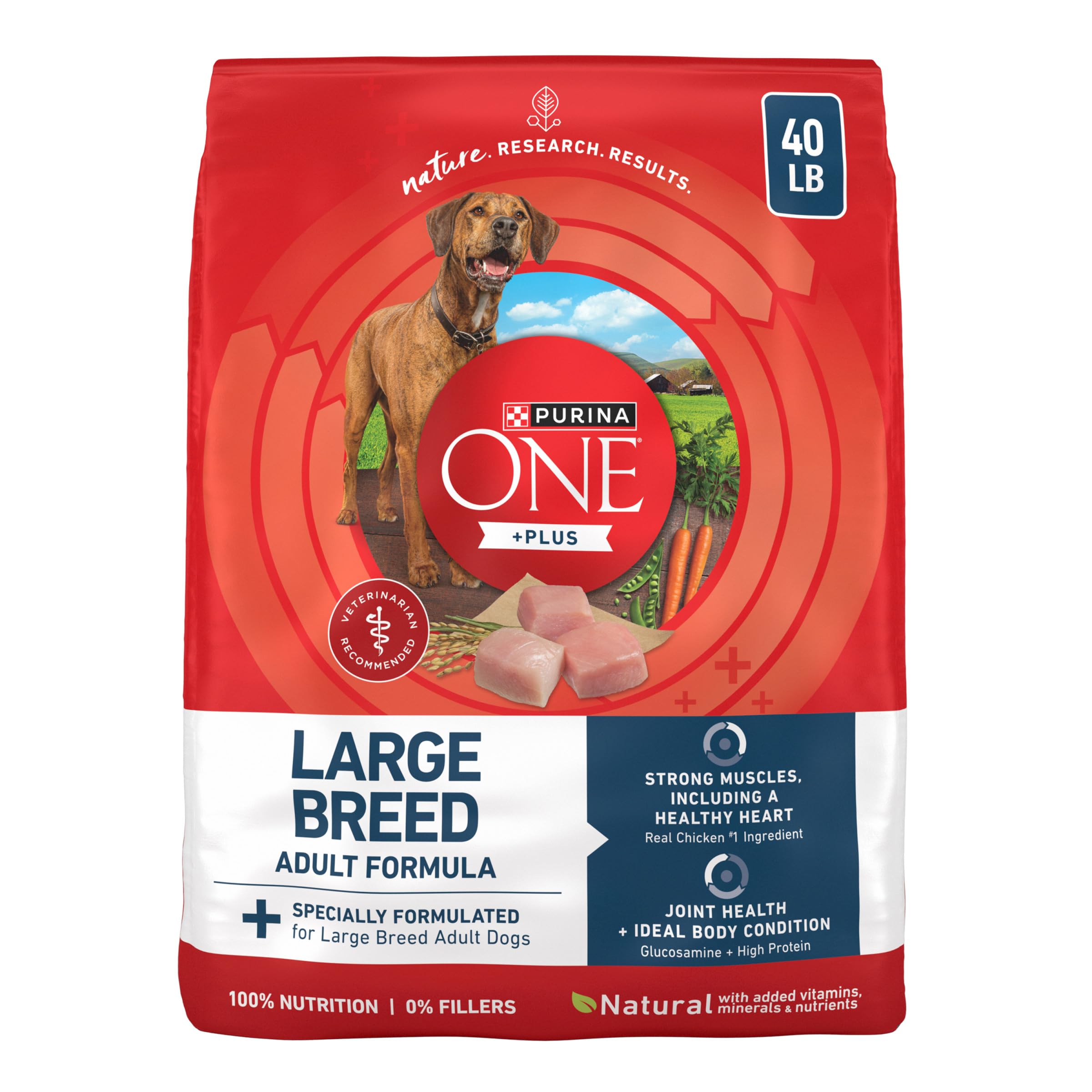
Purina ONE Large Breed

Purina ONE Large Breed

Budget large breed

Our Score 9.4/10
Check Price

Worth Noting

  • Some bags arrive with pest contamination
Grain Status
Grain-inclusive
First Ingredient
Chicken
Read the full review

This large breed formula delivers appropriately sized kibble and joint-supporting glucosamine at a reasonable price. The pieces are large enough for a German Shorthaired Pointer to chew properly, and owners report healthy coats and good mobility. That said, infestation has been reported in some bags, and the chicken recipe is not accepted by every dog, so this suits buyers willing to inspect shipments and whose dog already does well on chicken and grains.

Bottom line: A practical option for large breed owners on a budget who want joint support, provided you inspect the bag upon arrival and your dog accepts chicken-and-grain recipes.

5

Hill's Science Diet Small Bites

Hill's Science Diet Small Bites

Small kibble lamb

Our Score 9.4/10
Check Price

Worth Noting

  • Tiny kibble may cause fast eaters to gulp without chewing
Grain Status
Grain-inclusive
First Ingredient
Lamb meal
Read the full review

Hill's lamb and brown rice formula supports digestion and coat health with omega-6 and vitamin E. The small kibble suits dogs with dental issues or a preference for tiny pieces. For a fast-gulping GSP, however, the small size can encourage gulping rather than chewing. Price inconsistency across retailers adds uncertainty. This niche kibble works best for dogs that specifically need smaller bites.

Bottom line: Best suited for a GSP that prefers smaller kibble or has dental issues, rather than as a primary daily food for active, fast-eating dogs.

6

Pro Plan Sensitive Salmon

Pro Plan Sensitive Salmon

Sensitive GSPs

Our Score 9.2/10
Check Price

Worth Noting

  • Some bags contain noticeable dust and crumbly kibble at the bottom
  • Premium pricing may be a concern for budget-conscious owners
Grain Status
Grain-inclusive
First Ingredient
Salmon
Read the full review

Purina Pro Plan Sensitive Skin and Stomach Large Breed Salmon and Rice Formula targets dogs that need gentle digestion without chicken and have skin allergies. The first ingredient is salmon, with oatmeal and rice for digestibility and added glucosamine for joint support. For GSP owners whose dogs have confirmed salmon tolerance and suffer from skin irritation, this food consistently improves coat condition and reduces scratching. The tradeoff is a higher price per bag compared to other sensitive formulas, and some bags may contain dust from crumbly kibble.

To minimize dust, pour the bag into an airtight container and scoop from the top.

Bottom line: A targeted solution for GSPs with sensitive skin and stomach, but the cost and occasional dust mean it's not for every owner.

7

Purina ONE Lamb & Rice

Purina ONE Lamb & Rice

Budget bulk feeding

Our Score 9.2/10
Check Price

Worth Noting

  • Some dogs experience loose stools when switching to this food
  • Bags may occasionally arrive with signs of infestation
Grain Status
Grain-inclusive
First Ingredient
Lamb
Read the full review

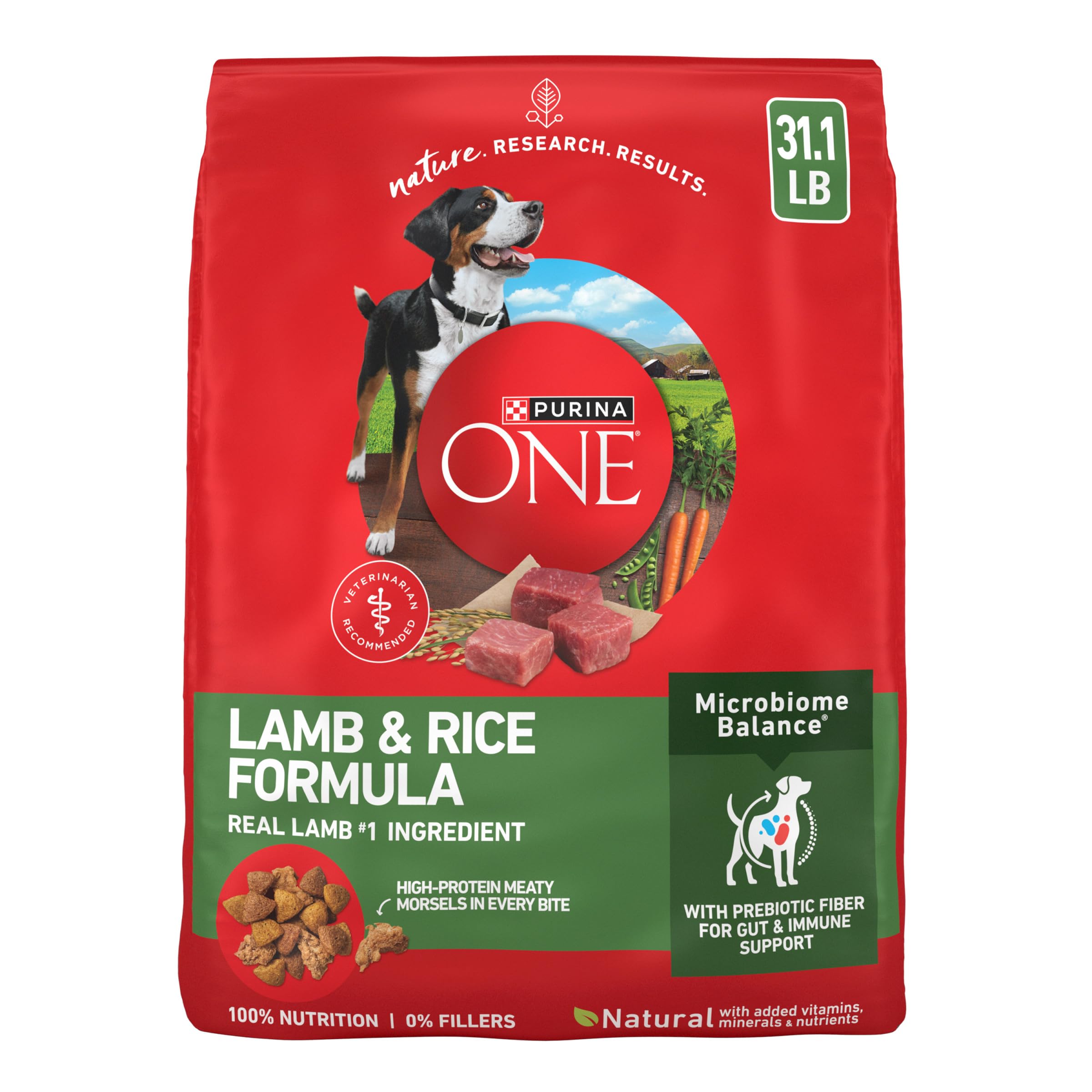
Purina ONE Lamb & Rice brings a simple, meat-first protein profile with added glucosamine and prebiotic fiber — exactly what an active German Shorthaired Pointer needs without the premium price tag. Owners report strong coat condition and maintained mobility, making it a practical option for high-energy dogs when cost matters. The tradeoff: bag storage can be inconsistent, and some dogs adjust with loose stools during transition. This is best for budget-focused GSP households that feed in bulk and don't mind checking each bag upon arrival.

Transfer kibble to an airtight container immediately and inspect the bag for insects or larvae before first use.

Bottom line: Right for GSP owners who prioritize value over premium ingredients and are willing to verify bag condition before feeding.

8

Taste of the Wild High Prairie

Taste of the Wild High Prairie

Grain-free novel protein

Our Score 9.2/10
Check Price

Worth Noting

  • Rich formula may cause diarrhea if introduced too quickly.
Grain Status
Grain-free
First Ingredient
Bison/Venison
Read the full review

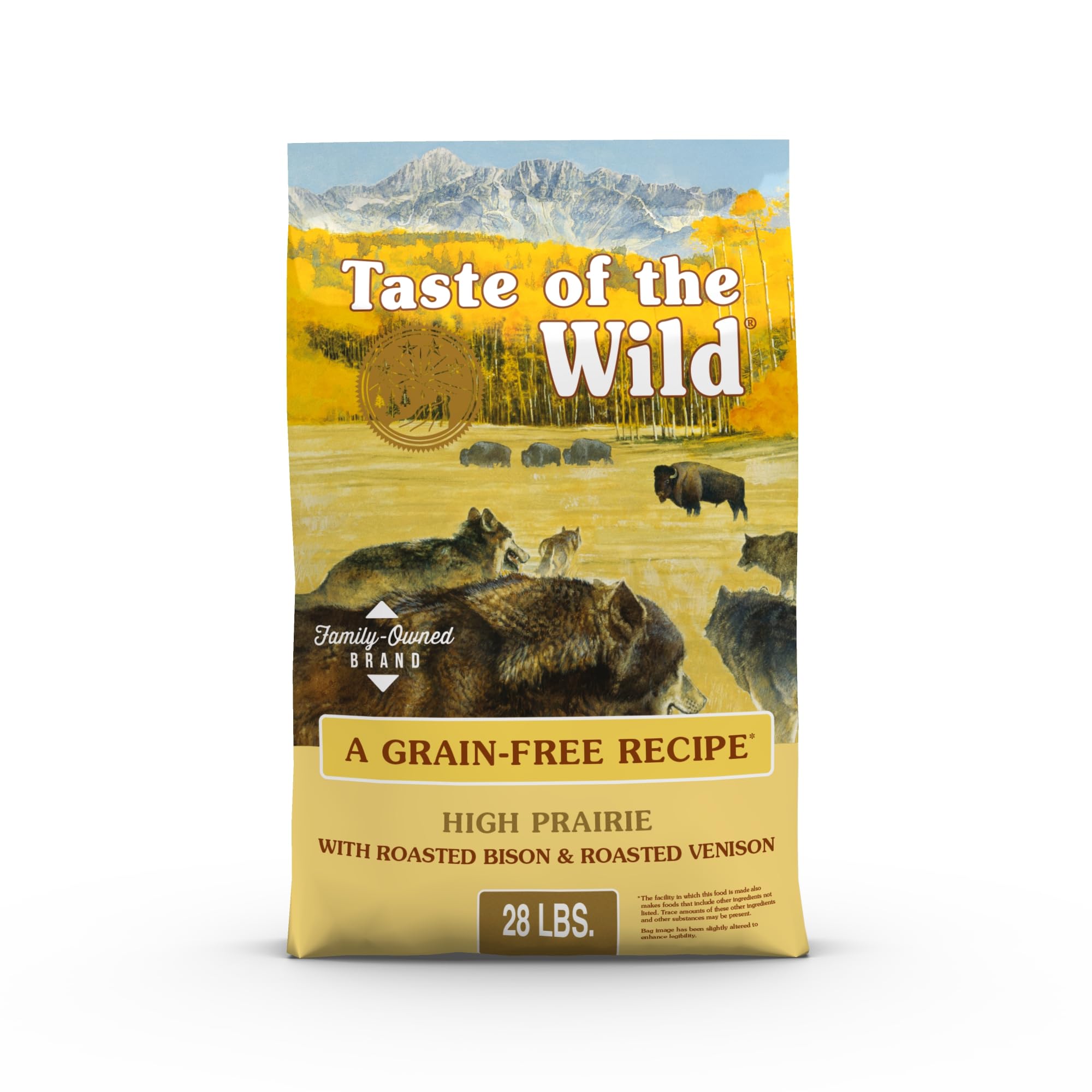
The Taste of the Wild High Prairie delivers 32% protein from bison and venison, offering a novel protein source that avoids common chicken and grain sensitivities. This grain-free recipe includes species-specific probiotics for digestive support. However, its rich composition can cause stomach upset in some dogs, so a gradual transition over 7-10 days is essential. Best suited for GSP owners seeking an alternative to standard chicken-based diets and comfortable with a slower introduction. It contrasts with the top pick's 30/20 protein-fat ratio, which is engineered for sustained performance in active working dogs.

Transition over 7-10 days by mixing increasing amounts with the old food to minimize stomach issues.

Bottom line: A good alternative for GSPs with chicken or grain allergies, provided you manage the transition carefully and accept the risk of digestive upset.

9

Diamond Naturals Salmon

Diamond Naturals Salmon

Chicken-allergy budget

Our Score 9.2/10
Check Price

Worth Noting

  • In a closed pantry or small home, the fish odor can be strong
Grain Status
Grain-free
First Ingredient
Salmon
Read the full review

This grain-free salmon recipe is a practical choice for GSP owners managing chicken allergies while keeping costs low. The omega fatty acids visibly improve coat condition, and the probiotic support aids digestion for most dogs. However, the protein content sits around 25%, which falls short for active working dogs needing a higher protein-to-fat ratio. Additionally, the fish smell can be noticeable in the kitchen, and some dogs experience digestive upset during transition.

Bottom line: Best suited for budget-conscious GSP owners whose dogs have chicken or grain sensitivities and don't require the higher protein of a performance formula.

10

Bully Max 30/20 5lb

Bully Max 30/20 5lb

Weight gain supplement

Our Score 9.2/10
Check Price

Worth Noting

  • Digestive upset can occur in some dogs, particularly with a fast switch to this rich formula
Grain Status
First Ingredient
Chicken meal
Read the full review

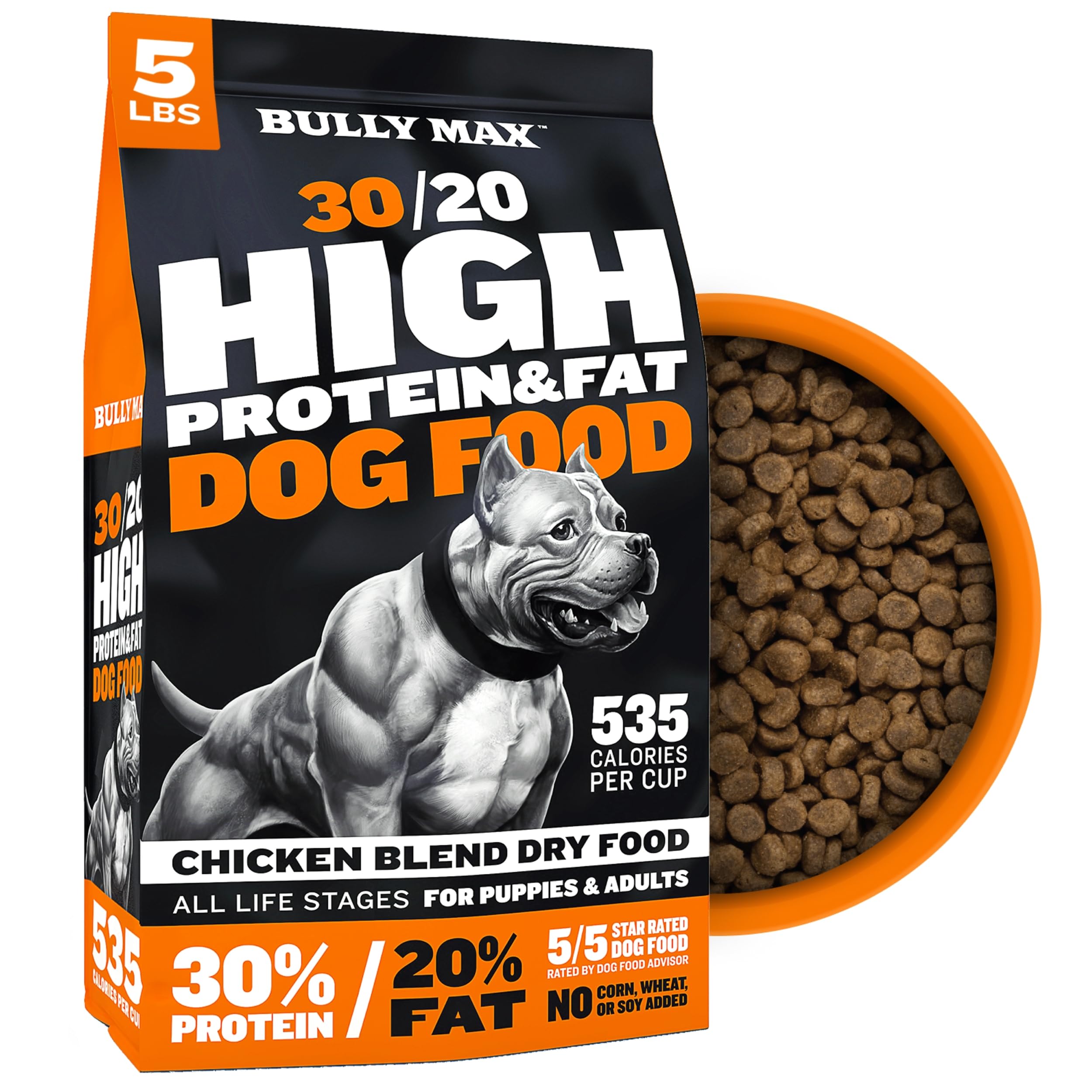
Bully Max delivers concentrated calories and protein for dogs who need to pack on weight or sustain intense activity. The 5 lb bag and premium-priced per-pound cost make it impractical as a primary food for an active GSP, and some dogs can experience loose stools if introduced too quickly. It works best as a meal booster or short-term recovery feed rather than a bag you reach for every morning.

Bottom line: Best reserved as a high-calorie topper for underweight GSPs or during intense training periods, not as a primary kibble.

11

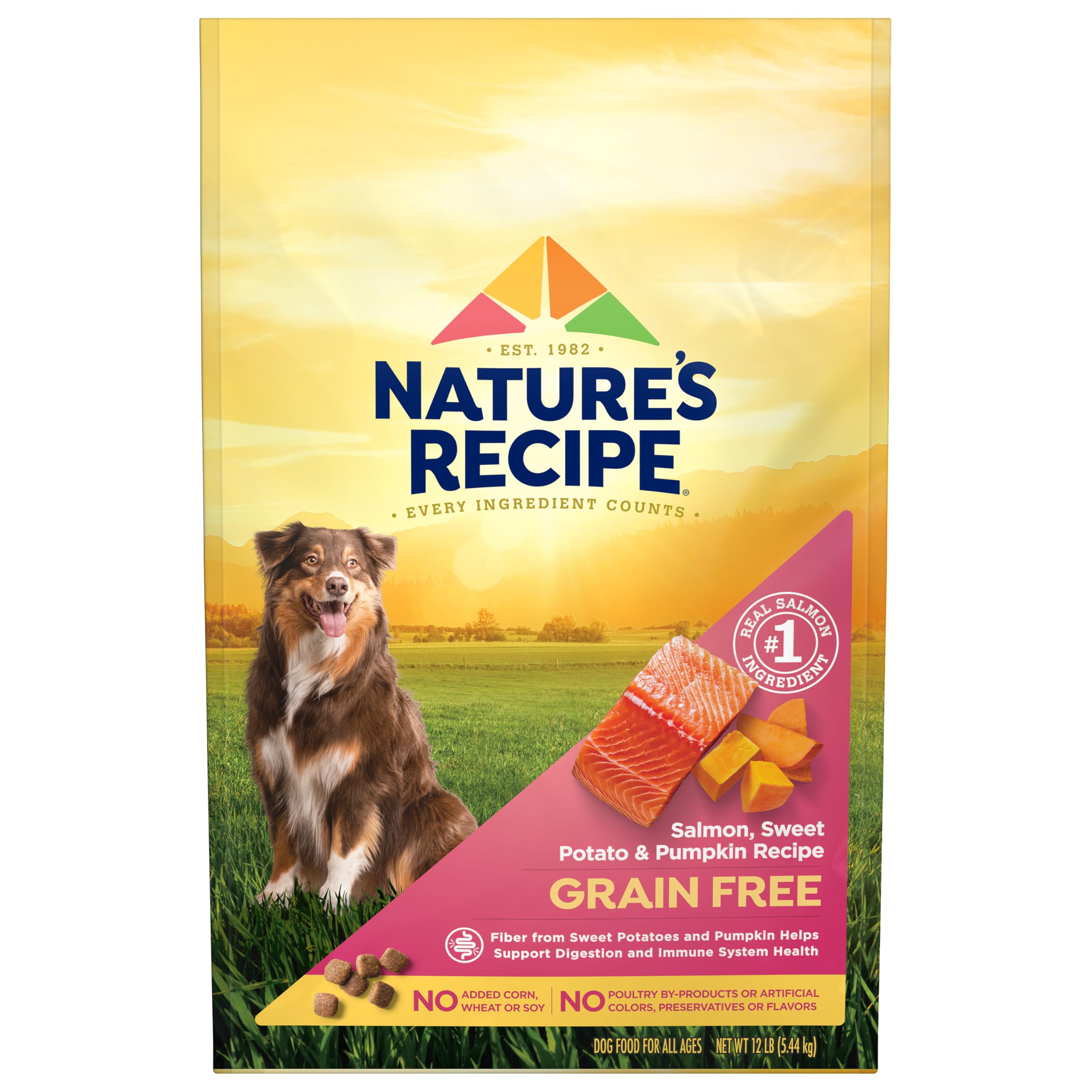
Nature's Recipe Salmon

Nature's Recipe Salmon

Budget salmon allergy

Our Score 9.2/10
Check Price

Worth Noting

  • Strong fish odor may be noticeable in storage areas
Grain Status
Grain-free
First Ingredient
Salmon
Read the full review

This limited-ingredient salmon recipe offers a low-cost way to test a grain-free, single-protein diet for dogs with chicken or grain sensitivities. The small 12-pound bag works well for smaller dogs or as a trial run, but feeding a German Shorthaired Pointer exclusively on this bag would mean frequent reordering. The strong fish smell from the bag can be off-putting in storage, and some dogs may experience digestive upset during transition.

Bottom line: Works as an allergy trial or for small-breed households, but not practical as the primary food for a large, active GSP due to bag size and odor.

12

Pro Plan Large Breed 34lb

Pro Plan Large Breed 34lb

Premium large breed

Our Score 9.2/10
Check Price

Worth Noting

  • Bag freshness varies by shipment; infestation has been reported in some cases.
Grain Status
Grain-inclusive
First Ingredient
Chicken
Read the full review

This formula balances high protein with added glucosamine and prebiotic fiber, supporting joint mobility and digestive health in large active breeds like German Shorthaired Pointers. However, it sits below the top pick in fat content (not a 30/20 ratio), making it less optimized for extreme endurance work. Real-world use shows good taste acceptance and stool quality in most dogs, though some bags arrive with infestation issues tied to warehouse storage, and a subset of dogs experience vomiting or diarrhea during the transition period. For GSP owners who prioritize joint care and digestive ease over peak performance, this is a solid middle ground — provided you inspect the bag on arrival and introduce the food gradually.

Bottom line: Best for GSP owners who want joint and digestive support in a high-protein diet and are willing to check bag condition at delivery and transition slowly.

How to Choose

Protein Content

Protein fuels muscle recovery and endurance. For a GSP that hunts, runs, or competes, aim for 28-32% protein. Lower levels (22-26%) work for less active dogs but may lead to muscle loss over time.

The catch: many foods labeled 'high protein' achieve that with plant concentrates like pea protein. Check that the first ingredient is a named meat source, not a concentrate.

First Ingredient

The first ingredient should be a named animal protein like chicken, lamb, or salmon. 'Meat meal' is fine, but avoid generic 'meat by-products' or 'poultry meal' without a source. This tells you the primary protein source.

However, a good first ingredient doesn't guarantee the rest of the formula is lean. Many foods still pack in grains or potatoes that lower the overall protein density per cup.

Calorie Density

Active GSPs need around 1,200-1,500 kcal per day depending on size. A food with 350-400 kcal per cup means feeding 3-4 cups daily, while a dense 470-535 kcal per cup cuts that to 2-3 cups.

Higher calorie density reduces feeding volume, which helps with digestion and stool volume. But it also means a richer meal – transition slowly to avoid loose stools.

Joint Support Additives

Glucosamine and chondroitin are added to many kibbles to support cartilage and joint fluid. For a high-impact breed like the GSP, these aren't just extras – they can delay the onset of hip and elbow issues.

Most premium and performance formulas include them, but budget options often skip them. If your GSP is young or already active, consider a food with at least 400-500 mg of glucosamine per cup.

Grain-Inclusive vs Grain-Free

Grain-free foods replace grains with legumes like peas or potatoes. For GSPs without grain allergies, grain-inclusive formulas (brown rice, barley) often provide better stool quality and stable energy.

The FDA has linked certain grain-free diets to DCM in dogs, though the connection is not fully understood. For most GSPs, a grain-inclusive formula with named meat first is a safer bet than chasing 'grain-free' marketing.

Frequently Asked Questions