Food & Treats

11 Best Natural Puppy Food of 2026: Which Ones Actually Settle in Sensitive Tummies

Find the best natural puppy food that supports growth without upsetting sensitive stomachs. Tailored for puppies under one year.

You pick a natural puppy food because it promises wholesome ingredients. Then your puppy gets diarrhea, and you second-guess everything. Digestive upset is the most common surprise in this category — and it hits even the highest-rated bags.

The gap between marketing and a puppy's stomach is real. Many formulas that look clean on the label trigger loose stools during transition, especially when kibble size or protein source doesn't match your puppy's needs. The trick isn't just picking a natural food — it's picking one that your particular puppy can handle.

That's where this guide comes in. It focuses on the trade-offs that actually matter: affordability versus digestive tolerance, grain-free versus grain-inclusive, and kibble size for small mouths. No single formula works for every puppy, but the right pick for yours is in here.

1

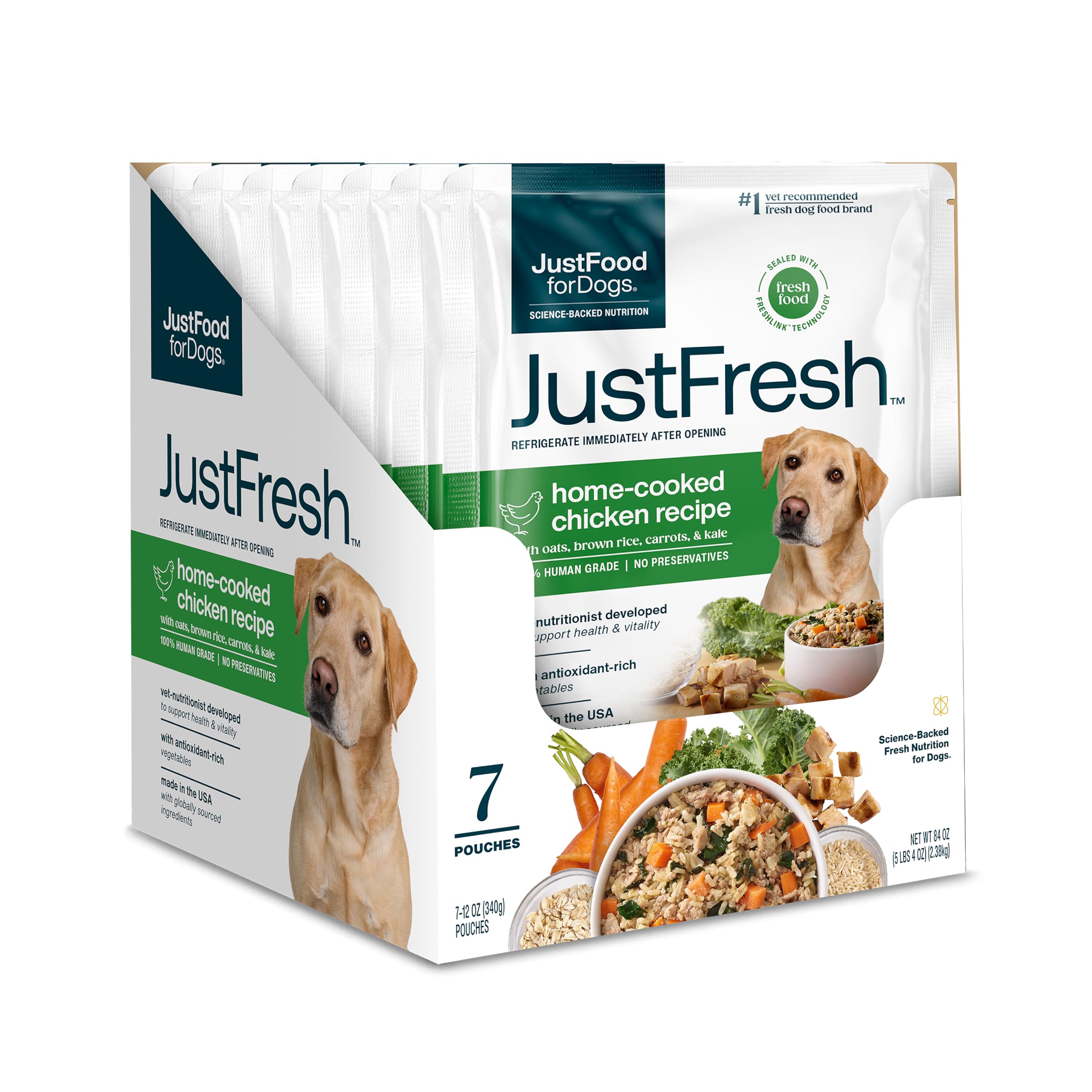
JustFoodForDogs JustFresh

Top Pick
JustFoodForDogs JustFresh

Fresh food

Our Score 9.6/10
Check Price

Worth Noting

  • At over $9 per pound, cost limits daily use for most budgets.
Grain Type
Grain-Free
Protein Source
Chicken
Read the full review

This fresh food offers unmatched ingredient transparency with real chicken and no preservatives, making it highly palatable and digestible. However, the cost exceeds $9 per pound, and it's formulated for all life stages rather than optimized for growing puppies, so it's best reserved as a topper or for owners prioritizing ingredient quality over budget.

Bottom line: Best suited for puppy owners who value human-grade ingredients and are willing to use it as a topper or occasional meal, not as a daily staple for growing puppies.
2

Purina ONE Plus Puppy

Purina ONE Plus Puppy

Budget families

Our Score 9.4/10
Check Price

Worth Noting

  • Some puppies may experience loose stools during the transition to this food.
Grain Type
Grain-Inclusive
Protein Source
Chicken
Read the full review

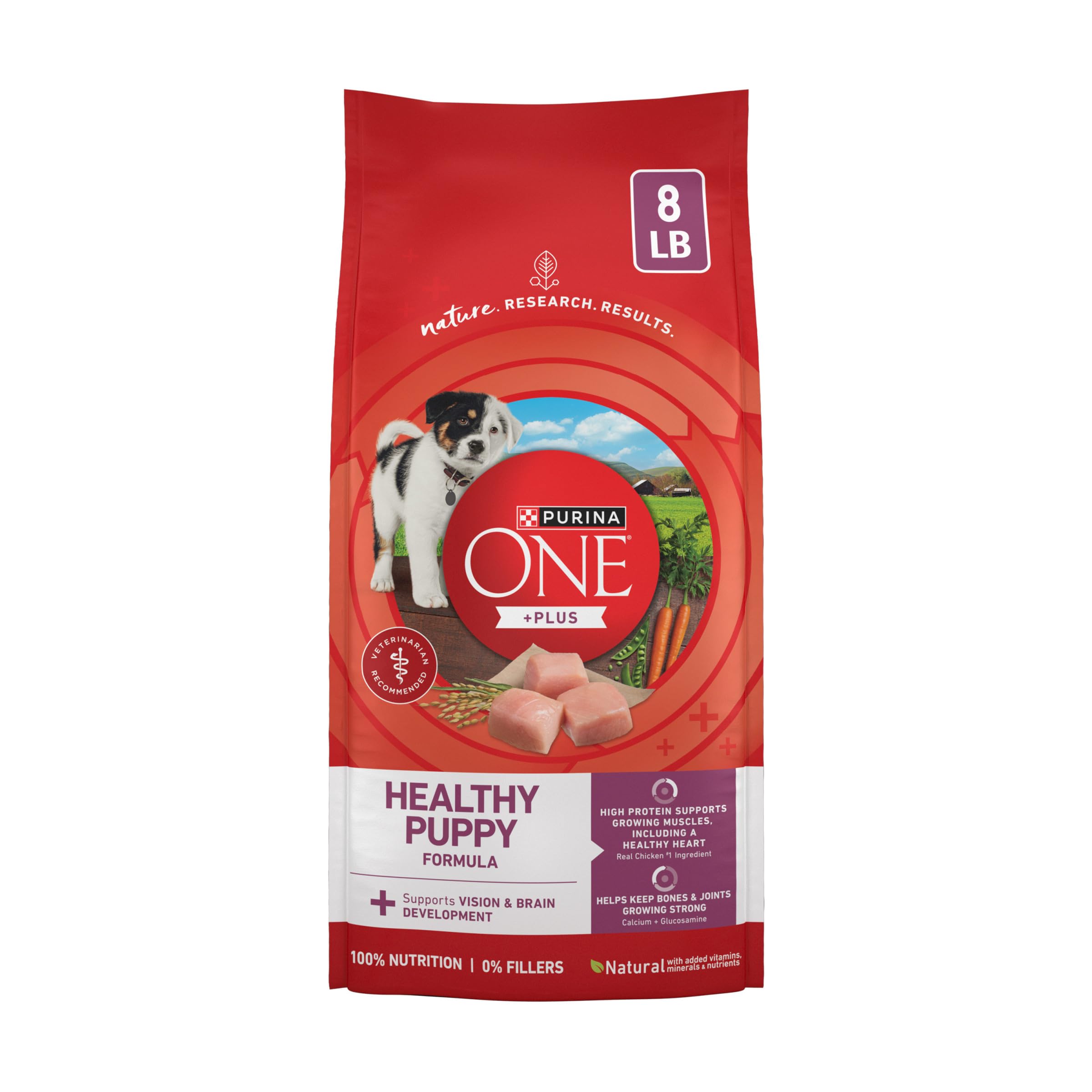
Purina ONE Plus Puppy Formula starts with real chicken and adds DHA, omega-6, and antioxidants - all without artificial flavors or preservatives. Puppies consistently eat it eagerly, and reports of loose stools are lower than with competing natural blends. A slow transition helps minimize any adjustment, but the digestive track record here is notably cleaner than the category average.

This food fits budget-conscious families and multi-dog households that buy in bulk. It is not suitable for puppies with severe chicken allergies or owners who insist on grain-free recipes - those needs are better served by the slimmer options in this set. For everyone else, it balances natural ingredients, solid nutrition, and a price that undercuts nearly every alternative.

Transition over 7-10 days, mixing increasing amounts of the new food with the old, to reduce digestive adjustment.

Bottom line: The most practical natural puppy food for families who want solid nutrition, high acceptance, and minimal digestive surprises at a price that leaves room in the budget.

3

Blue Buffalo Life Protection Puppy

Blue Buffalo Life Protection Puppy

All breeds

Our Score 9.4/10
Check Price

Worth Noting

  • Some puppies may develop loose stools or diarrhea, particularly if the diet is switched too abruptly.
Grain Type
Grain-Inclusive
Protein Source
Chicken
Read the full review

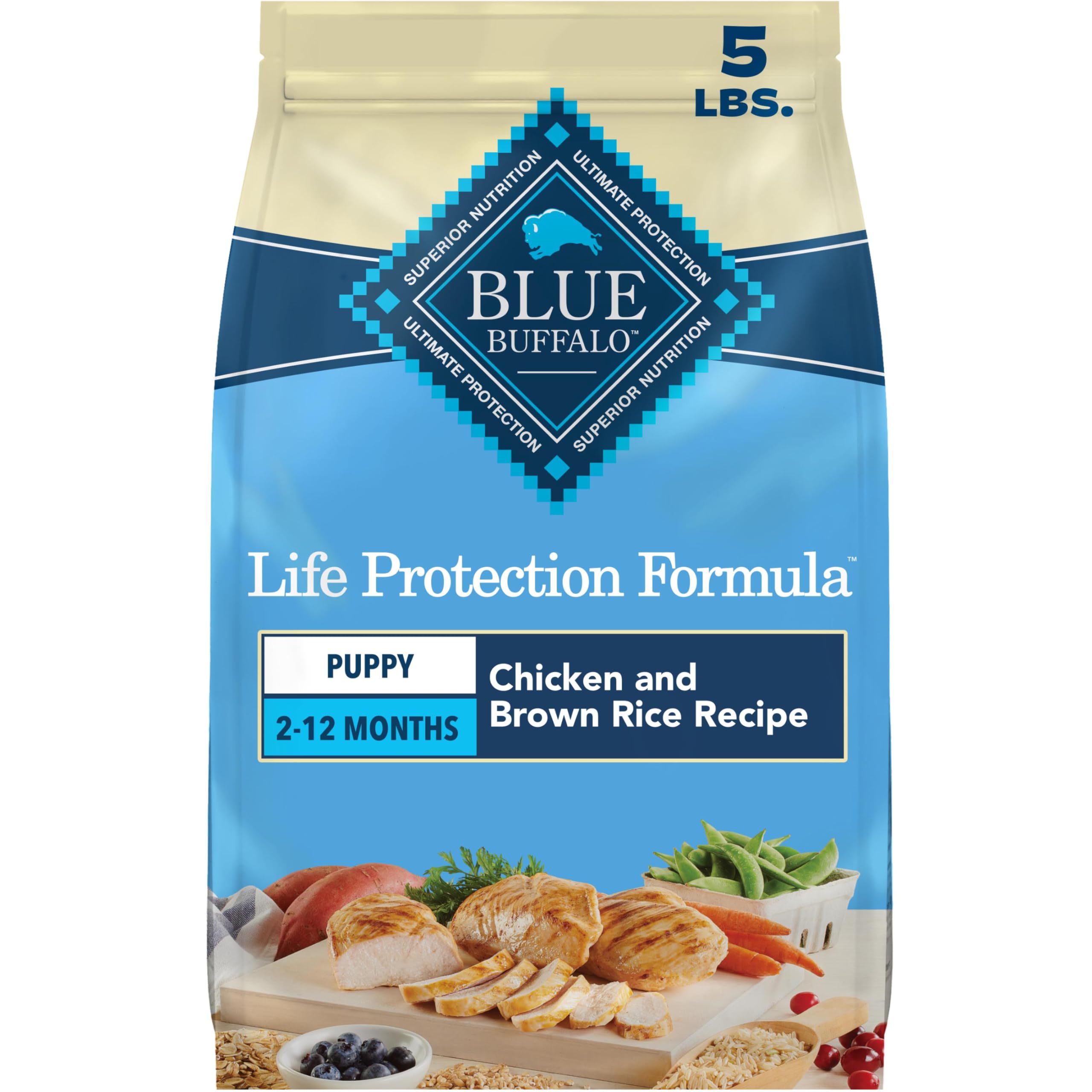
Blue Buffalo Life Protection leads the category as the most-reviewed natural puppy food, starting with real chicken and added DHA for cognitive development. Digestive sensitivity is a real consideration — some puppies may experience loose stools if the diet is switched too quickly, so a gradual transition is essential. This formula suits owners who prioritize ingredient quality and brand reputation over the lowest risk of digestive upset, and it is especially appropriate for large breed puppies needing balanced calcium and phosphorus.

Transition gradually over 7-10 days by mixing increasing amounts with the current food to minimize digestive upset.

Bottom line: A solid natural puppy food for those who value ingredient transparency and brand reputation, provided they are prepared for a careful dietary transition.

4

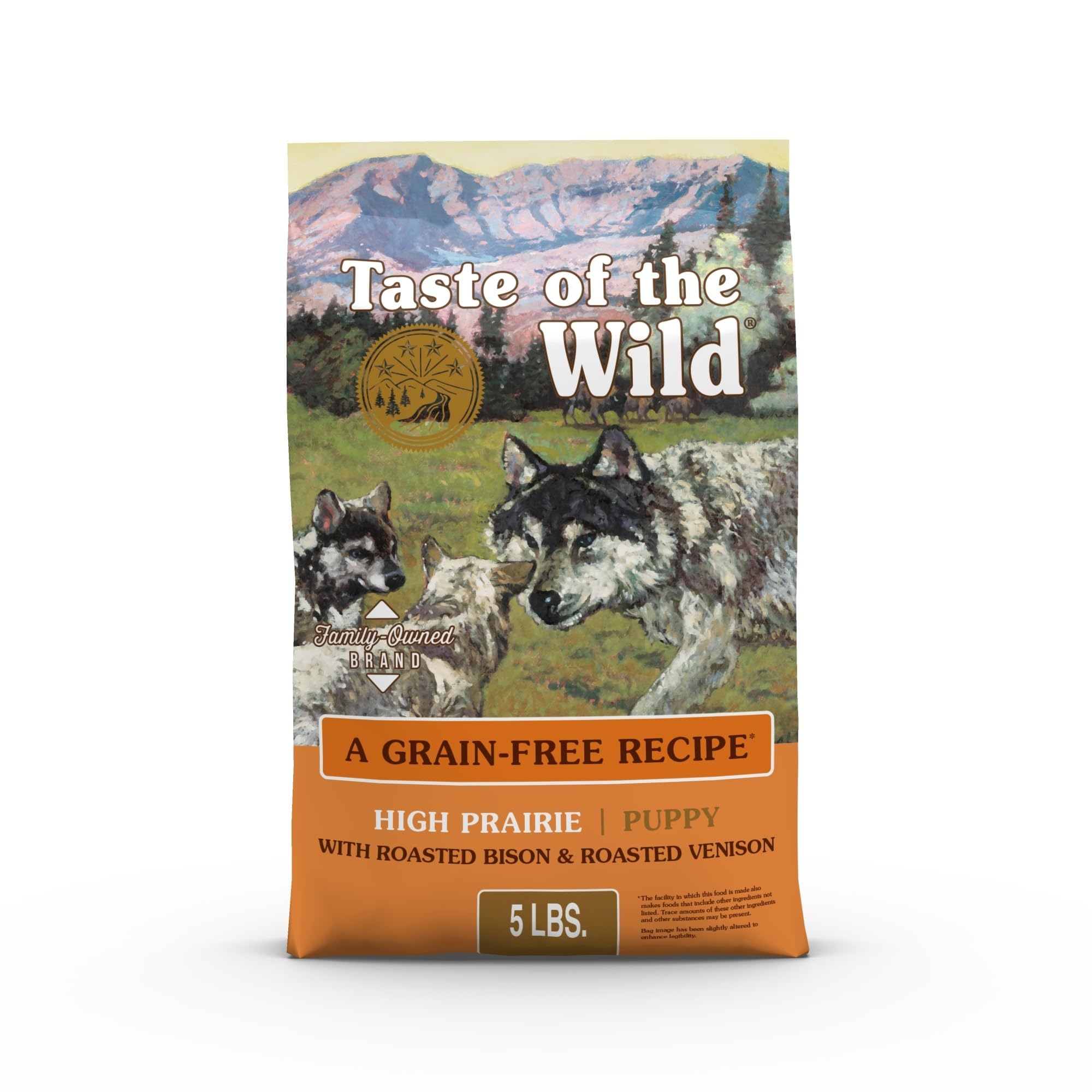
Taste of the Wild Prairie Puppy

Taste of the Wild Prairie Puppy

Grain allergies

Our Score 9.4/10
Check Price

Worth Noting

  • Premium price compared to grain-inclusive alternatives may strain a budget.
  • Some puppies may refuse the unique flavors or develop digestive upset during transition.
Grain Type
Grain-Free
Protein Source
Bison, Venison
Read the full review

With novel bison and venison proteins and proprietary probiotics, this grain-free formula addresses puppies with chicken or grain sensitivities. It supports healthy growth and coat condition, with many owners reporting firm stools. Unlike the highest-meat-content alternative, the protein level is moderate, reducing the risk of digestive upset from excess protein. However, the premium price and some puppies' reluctance to accept the unique flavors mean this is a targeted choice rather than a universal staple. Best for owners who need a grain-free, novel-protein diet and are willing to pay more and risk palatability issues.

Mix with a familiar food and transition slowly to improve acceptance.

Bottom line: This grain-free option works well for allergy-prone puppies, but the premium cost and occasional palatability issues mean it's not a universal fit.

5

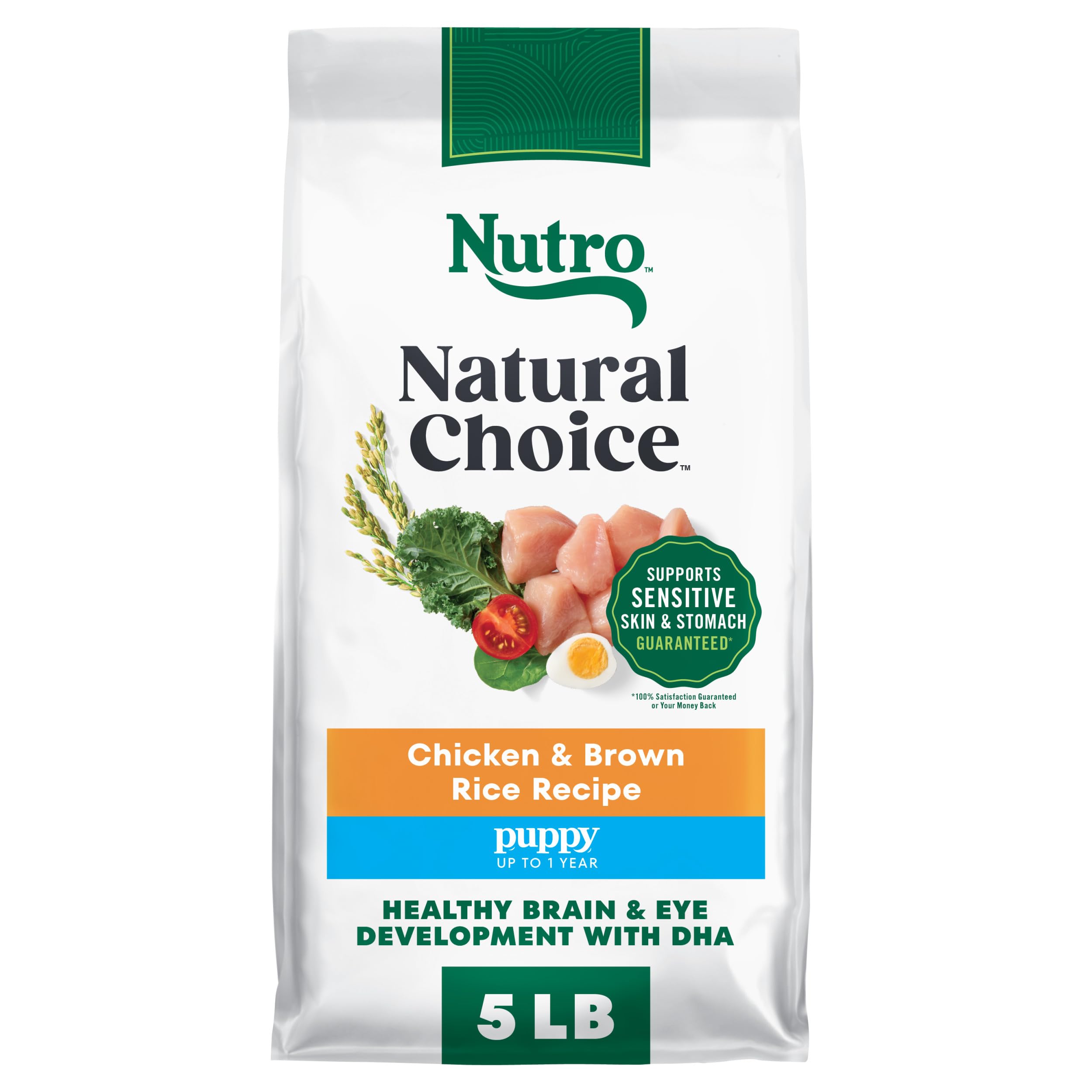
Nutro Natural Choice Puppy

Nutro Natural Choice Puppy

Non-GMO

Our Score 9.4/10
Check Price

Worth Noting

  • Kibble size can be too large for very small breed puppies.
  • Digestive sensitivity may cause diarrhea in some puppies.
Grain Type
Grain-Inclusive
Protein Source
Chicken
Read the full review

Non-GMO ingredients set Nutro apart from other natural puppy foods, backed by real chicken and DHA for development. The kibble is larger than what tiny mouths can manage, making it a better fit for medium to large breed puppies. Digestive sensitivity can occur in some puppies, though most tolerate it well with proper transition.

For smaller mouths, moisten kibble to soften or consider a small-breed formula.

Bottom line: Best for medium to large breed puppies whose owners prioritize non-GMO ingredients over tiny-kibble convenience.

6

ORIJEN Puppy Recipe

ORIJEN Puppy Recipe

Ultra-premium

Our Score 9.4/10
Check Price

Worth Noting

  • Pronounced fishy odor that lingers in the feeding area.
  • High protein content can cause loose stools in puppies during the transition period.
Grain Type
Grain-Free
Protein Source
Chicken, Turkey, Salmon
Read the full review

This formula delivers a protein-dense, grain-free recipe with fresh chicken, turkey, salmon, and herring as the first five ingredients. The concentrated nutrition means smaller portions satisfy, which helps offset the premium price. However, the strong fishy odor can be off-putting in the kitchen, and the high protein load may cause digestive upset if not introduced gradually. This is a specialized choice for owners who want the closest-to-natural diet for their puppy and are willing to work through the transition period.

Transition over 7-10 days by mixing increasing amounts of ORIJEN with the current food to reduce digestive upset.

Bottom line: A good fit for owners who demand the highest possible meat content and are prepared for the strong smell, premium cost, and a careful food transition to avoid stomach upset.

7

Blue Buffalo Baby Blue Puppy

Blue Buffalo Baby Blue Puppy

Tiny puppies

Our Score 9.4/10
Check Price

Worth Noting

  • Digestive upset may occur in some puppies during transition.
Grain Type
Grain-Inclusive
Protein Source
Chicken
Read the full review

This formula delivers the smallest kibble we've seen, made for tiny mouths and teething puppies under 10 pounds. It uses chicken as the first ingredient and avoids common fillers like corn and soy, all at a budget-friendly price. However, digestive upset can occur in some puppies, which is why this food is best reserved for small breed owners who need the tiny kibble — not a universal choice.

Bottom line: For owners of very small puppies who prioritize tiny kibble and budget, this fits — but not for general puppy households.

8

Jinx Salmon Grain-Free

Jinx Salmon Grain-Free

Sensitive stomach

Our Score 9.4/10
Check Price

Worth Noting

  • Not specifically formulated for puppies; lacks DHA and targeted nutrients for optimal growth.
Grain Type
Grain-Free
Protein Source
Salmon
Read the full review

Jinx's salmon recipe combines real salmon, sweet potato, and live probiotics in a grain-free formula that's gentle on digestion. At this price point, it's a smart option for owners seeking a budget-friendly topper or rotation food. However, it lacks DHA and targeted nutrients for optimal puppy growth, making it a better fit for adult dogs with grain sensitivities rather than puppies under one year.

Bottom line: Best suited as a budget topper or rotation food for adult dogs with grain sensitivities — not for owners seeking a complete puppy formula.

9

Diamond Naturals Sm/Med Puppy

Diamond Naturals Sm/Med Puppy

Small & medium

Our Score 9.2/10
Check Price

Worth Noting

  • Some puppies may develop diarrhea, particularly when moving to larger bag sizes.
Grain Type
Grain-Inclusive
Protein Source
Chicken
Read the full review

The kibble size is tailored for small mouths, and the formula includes guaranteed probiotics to support digestive health. This breed-specific approach uses cage-free chicken as the first ingredient, with a balanced nutrient profile for puppies under one year.

Best suited for small and medium breed puppies like Beagles or Corgis. The calcium-to-phosphorus ratio is not appropriate for large breed puppies, and some puppies may experience loose stools when transitioning, especially from larger bags.

Transition gradually over 7-10 days and start with a smaller bag to gauge your puppy's tolerance.

Bottom line: A balanced option for small and medium breed puppy owners who want probiotics and appropriate kibble size, but be mindful of transition and large breed restrictions.

10

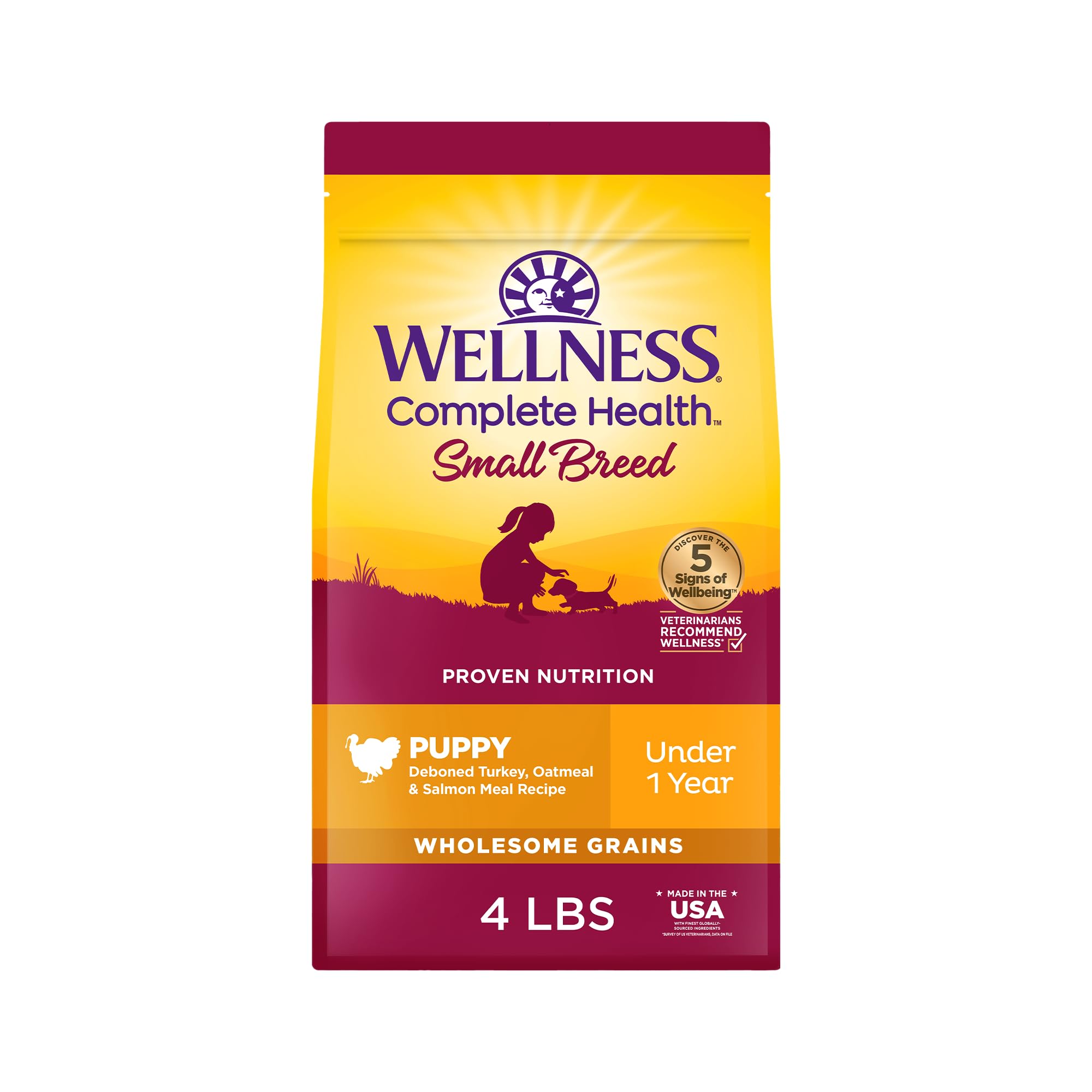
Wellness Small Breed Puppy

Wellness Small Breed Puppy

Small breeds

Our Score 9.2/10
Check Price

Worth Noting

  • Premium-priced per pound compared to similar small breed puppy foods.
Grain Type
Grain-Inclusive
Protein Source
Turkey
Read the full review

This natural small breed formula starts with deboned turkey and includes oatmeal and probiotics for digestive health, with an appropriately tiny kibble for small mouths. The kibble is sized perfectly for tiny mouths, and the addition of probiotics supports digestive health during growth. However, some puppies refuse the flavor, so trial or mixing may be needed.

Bottom line: Worth trying if your puppy is open to turkey flavors — otherwise, the cost may not justify a food your dog won't eat.

11

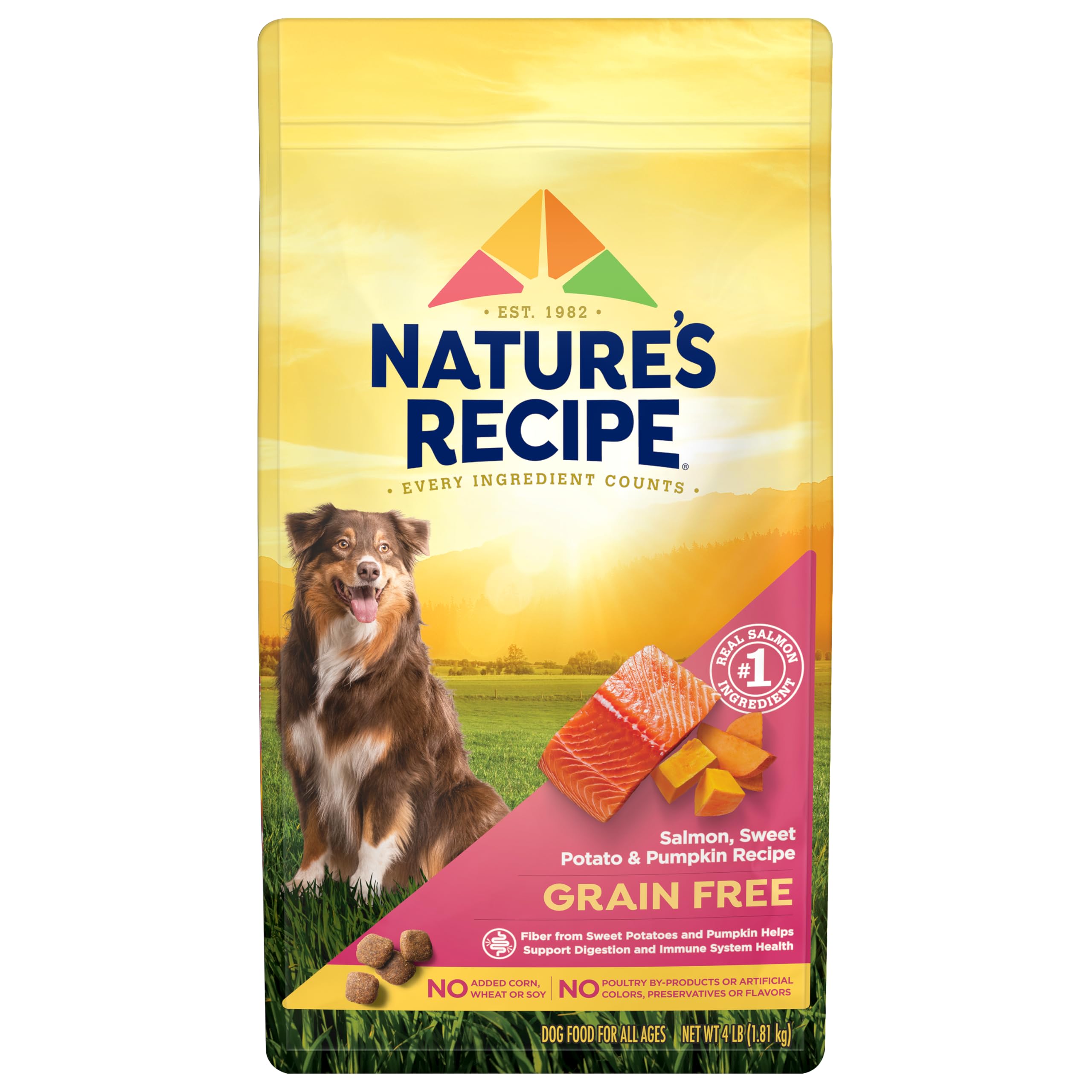
Nature's Recipe Salmon GF

Nature's Recipe Salmon GF

Grain-free adult

Our Score 9.2/10
Check Price

Worth Noting

  • Strong fishy odor can be noticeable when serving and lingering.
Grain Type
Grain-Free
Protein Source
Salmon
Read the full review

This grain-free recipe starts with salmon and includes sweet potato and pumpkin, making it palatable for many dogs and helpful for those with grain sensitivities. However, it lacks the DHA, calcium, and phosphorus balance required for puppy development, so it is best reserved for adult dogs on a tight budget.

Bottom line: Works well for adult dogs who need a low-cost grain-free salmon option, but it is not a suitable puppy formula.

How to Choose

Protein Source

Chicken is the most common protein in puppy food, but it's also a frequent allergen trigger for sensitive puppies. If you see loose stools or excessive scratching, switching to a novel protein like salmon, bison, or venison can resolve the issue without changing the overall natural formula.

Novel proteins cost more and are typically found in grain-free lines. For a puppy with no known allergies, chicken-based formulas offer the best balance of affordability and nutrition. The key is to match the protein source to your puppy's digestive track record.

Grain Type

Grain-free doesn't mean allergy-free. Most puppies do fine on grain-inclusive formulas, and grains provide fiber that helps firm stool. Grain-free diets can actually increase the risk of digestive upset in some puppies because they rely on legumes or potatoes for structure.

Only go grain-free if your puppy has a confirmed grain allergy (rare) or you need a novel protein that only comes in grain-free lines. Otherwise, grain-inclusive formulas are more stable and typically cheaper.

Kibble Size

Kibble shape matters more than many owners realize. Small breed puppies need tiny kibble to avoid choking and to encourage chewing. A kibble that's too large can cause gagging, refusal to eat, or even reluctance to drink water.

Most brands now offer breed-specific sizes. If you have a puppy under 10 pounds, look for a formula with kibble labeled 'tiny' or 'small breed'. Larger breeds don't need the tiny pieces, but they do benefit from kibble that encourages slower eating.

DHA

DHA is an omega-3 fatty acid critical for brain and eye development in puppies. It's naturally present in fish oils and some algae. Not all natural puppy foods add DHA; some rely on the mother's milk or general omega-3 levels.

If you're buying a formula that doesn't list DHA, consider supplementing with a fish oil topper or choosing a different brand. The difference in cognitive development is subtle but measurable, and DHA levels are a sign that the formula is growth-optimized.

Probiotics

Probiotics help maintain a balanced gut microbiome, reducing the chance of diarrhea during transitions or stressful periods. Look for guaranteed probiotics on the label rather than just 'natural sources' like dried chicory root.

Probiotics are most useful during the first few weeks in a new home or after a food switch. Once a puppy's gut stabilizes, the benefit diminishes. They are not a substitute for a slow 7-day transition.

Frequently Asked Questions