Food & Treats

7 Best Dog Food for Wheaten Terriers 2026: Sensitive Stomach & Skin

Which dry dog foods truly soothe your Wheaten Terrier's sensitive stomach and skin — without triggering chicken allergies or budget-brand contamination risks.

Wheaten Terriers are prone to digestive upset and skin allergies, making dog food selection a constant trial. Many owners find that even well-reviewed chicken-based formulas trigger loose stools or itching.

Budget-friendly bags often save money upfront but carry risks like contamination or inconsistent quality — a tough trade-off when your dog's health is on the line. The right food balances digestibility, protein source, and proven reliability.

The winning choice is the one that matches your dog's specific sensitivity profile — whether that means a chicken-free salmon formula or a vet-backed sensitive stomach recipe.

1

Hill's Small Bites Chicken

Top Pick
Hill's Small Bites Chicken

Hill's value formula

Our Score 9.6/10
Check Price

Worth Noting

  • Some dogs may experience loose stools, particularly those with underlying digestive sensitivity.
Kibble Size
Small bites
Protein Source
Chicken
Grain Inclusion
Includes grains
Probiotics / Prebiotics
Natural fiber
Read the full review

Small kibble size suits small breeds, and the chicken and barley recipe supports consistent health in dogs with normal digestion. This formula lacks the specialized ingredients found in Hill's sensitive stomach line, so dogs with chronic sensitivities — like some Wheaten Terriers — may experience loose stools. For owners wanting Hill's quality without the premium cost of a specialized diet, this is a practical option.

Introduce gradually over a week to minimize loose stool risk.

Bottom line: A cost-effective Hill's formula for small dogs with normal digestion — skip this if your Wheaten has chronic stomach problems.
2

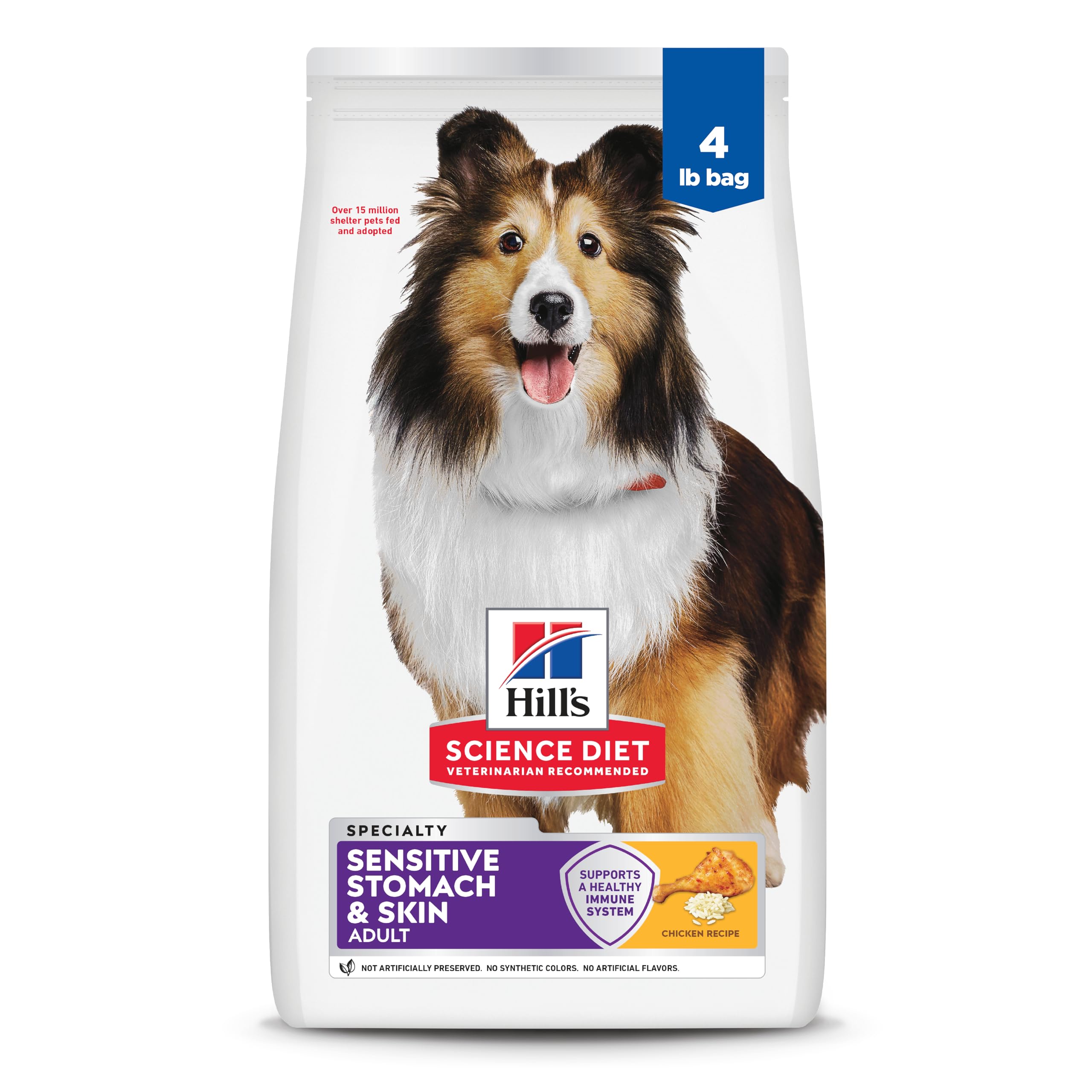
Hill's Sensitive Stomach

Hill's Sensitive Stomach

Sensitive stomach skin

Our Score 9.4/10
Check Price

Worth Noting

  • Chicken flavor may not appeal to every dog; a few Wheaten Terriers reject it outright.
  • Premium price per pound compared to standard dog food
Kibble Size
Standard
Protein Source
Chicken
Grain Inclusion
Includes grains
Probiotics / Prebiotics
Prebiotic fiber
Read the full review

Hill's Sensitive Stomach & Skin formula uses prebiotic fiber, omega-3/6, and vitamin E to directly address the two most common Wheaten Terrier complaints: digestive upset and skin irritation. Veterinarians frequently recommend it for dogs that struggle with loose stools or scratching, and the high digestibility means less vomiting and firmer stools within days of switching.

This is the right choice for owners whose Wheaten has chronic diarrhea or hot spots and who are willing to invest in specialized nutrition. The premium price per pound is higher than standard kibble, and a small number of picky dogs may refuse the chicken flavor — buying a trial bag first avoids waste. For Wheatens with persistent issues, few alternatives deliver this level of targeted relief.

Start with the 4 lb bag to see if your dog accepts the taste before buying a larger size.

Bottom line: This is the specialized kibble to try first if your Wheaten has chronic stomach or skin issues. Accept the premium cost and test with a small bag before committing.

3

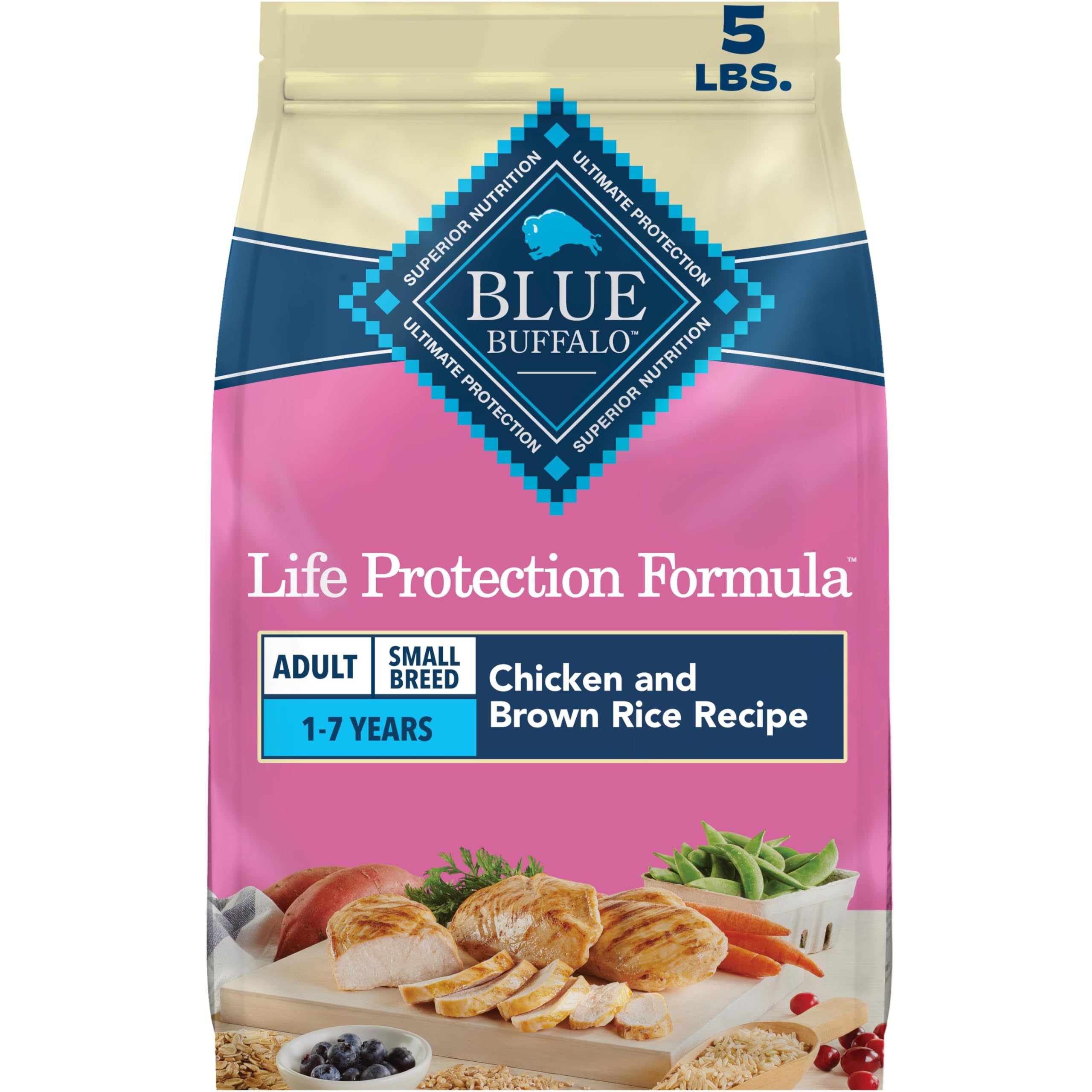
Blue Buffalo Small Breed

Blue Buffalo Small Breed

Small breed health

Our Score 9.4/10
Check Price

Worth Noting

  • Chicken base may trigger vomiting or diarrhea in sensitive dogs.
Kibble Size
Small
Protein Source
Chicken
Grain Inclusion
Includes grains
Probiotics / Prebiotics
LifeSource Bits
Read the full review

Blue Buffalo Life Protection Formula provides glucosamine for joint support, natural ingredients, and a small kibble size ideal for small breeds. LifeSource Bits add antioxidants and Omega-3/6 support coat health and energy. Most small dogs digest this chicken-and-brown-rice formula well, but the chicken base can cause vomiting or diarrhea in dogs with poultry sensitivities. This makes it a poor fit for Wheaten Terriers with known skin or stomach issues — those owners should look to the top pick's salmon-based sensitive formula.

Introduce gradually over a week to monitor for any digestive reactions.

Bottom line: A dependable everyday food if your small breed has no chicken sensitivity, but not the right pick for Wheaten Terriers with known issues.

4

Pro Plan Small Breed Shredded

Pro Plan Small Breed Shredded

Active small dogs

Our Score 9.4/10
Check Price

Worth Noting

  • Chicken base can cause loose stools in dogs with poultry sensitivity.
Kibble Size
Small (shredded)
Protein Source
Chicken
Grain Inclusion
Includes grains
Probiotics / Prebiotics
Probiotics
Read the full review

The shredded texture and live probiotics make this formula a favorite for picky small dogs who need a protein boost. However, the chicken base is a potential trigger for Wheatens with digestive or skin sensitivities — it lacks the specialized chicken-free or sensitive-stomach focus of the top pick. Best suited for active small breeds without known food allergies, where high palatability and protein density matter most.

Introduce gradually over 7-10 days and monitor stool consistency — if loose stools appear, a chicken-free alternative may be needed.

Bottom line: A strong match for active small dogs without food allergies, but Wheaten Terriers with chicken sensitivity should choose a chicken-free or sensitive-stomach formula instead.

5

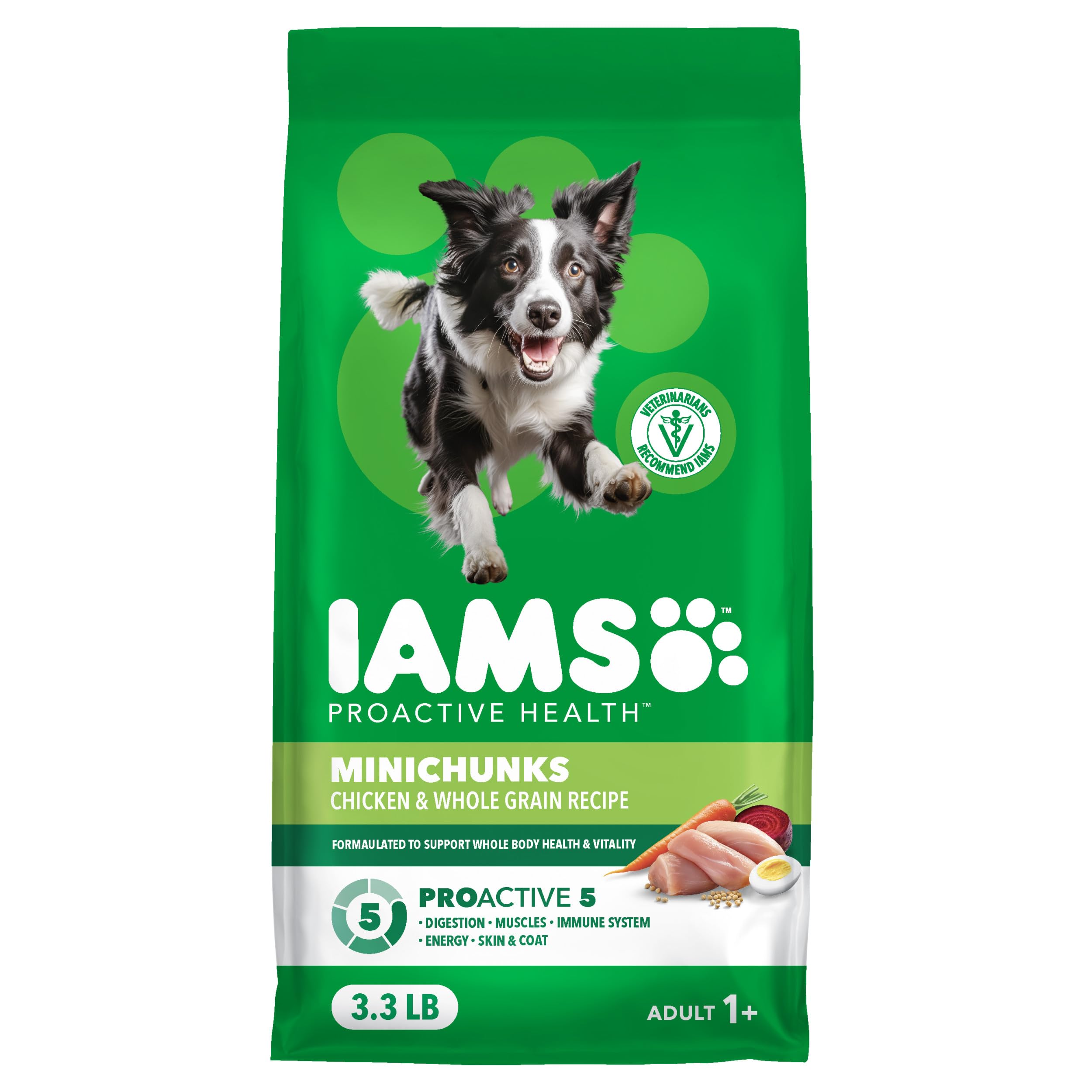
IAMS Minichunks Chicken

IAMS Minichunks Chicken

Iron stomach dogs

Our Score 9.4/10
Check Price

Worth Noting

Kibble Size
Minichunks
Protein Source
Chicken
Grain Inclusion
Includes grains
Probiotics / Prebiotics
Prebiotics
Read the full review

This budget-friendly kibble delivers solid taste and coat support at a price that's hard to beat. However, the risk of digestive upset makes it a poor fit for Wheaten Terriers or any dog with a sensitive stomach — best reserved for iron-stomached dogs that handle rich ingredients without issue.

Bottom line: A cost-effective choice only if your dog has never had digestive issues.

6

Cesar Small Breed Beef

Cesar Small Breed Beef

Chicken allergy trial

Our Score 9.4/10
Check Price

Worth Noting

  • Digestive upset (diarrhea, vomiting) can occur
Kibble Size
Small
Protein Source
Beef
Grain Inclusion
Includes grains
Probiotics / Prebiotics
None
Read the full review

Cesar's Small Breed Beef uses real beef as a novel protein for chicken-sensitive dogs at a low price point, with a tiny kibble that small mouths can handle. However, the same budget formulation that keeps costs down can trigger loose stools or vomiting in some dogs — a risk that makes this a gamble for Wheaten Terriers with delicate stomachs. For iron-stomached small breeds needing a cheap chicken-free option it works, but the specialized salmon-based sensitive formulas offer better digestibility for Wheatens prone to gut issues.

Bottom line: Choose this only if your Wheaten Terrier has a cast-iron stomach and you need a low-cost beef-based dry food; otherwise, a sensitive-formula salmon option is safer for breed-common stomach issues.

7

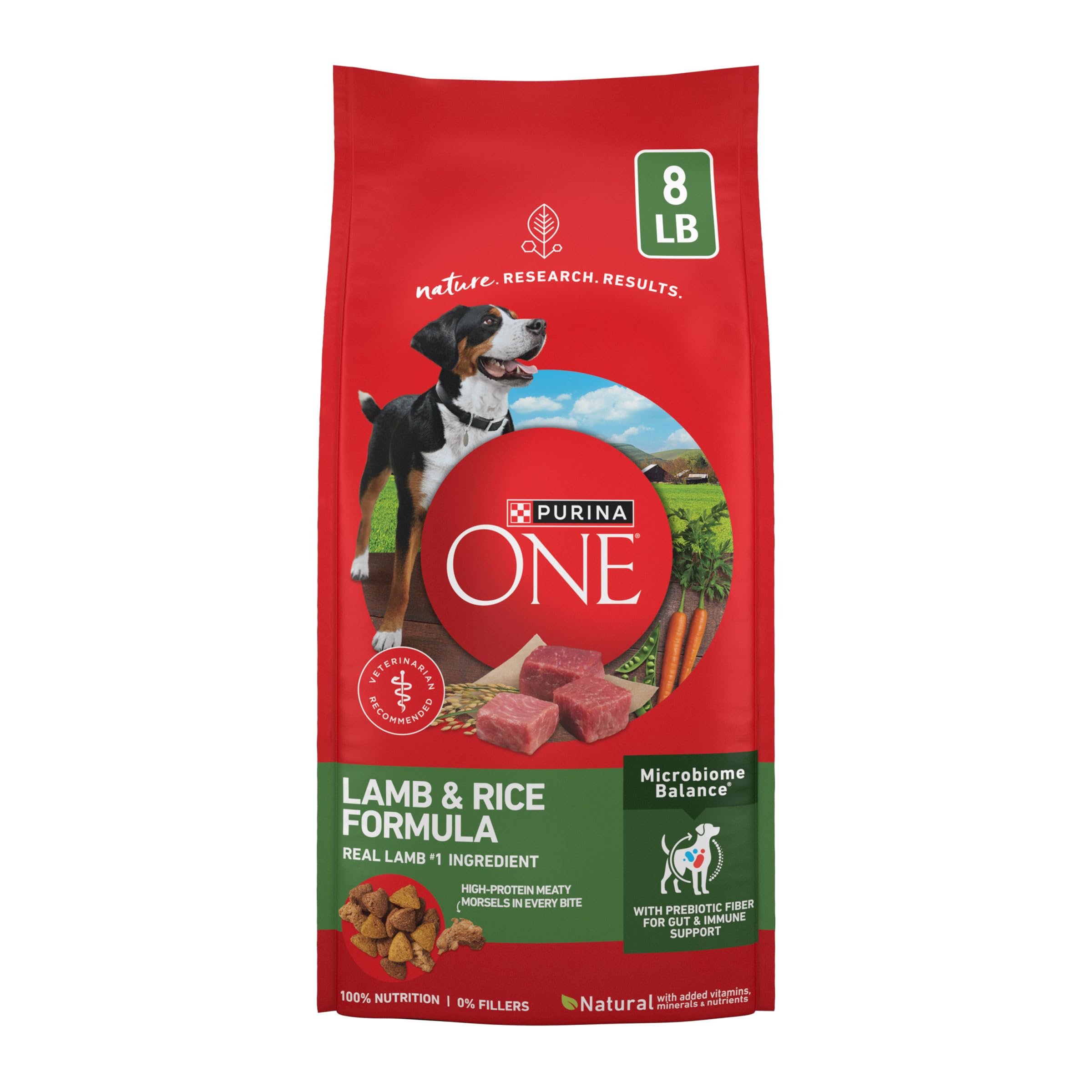
Purina ONE Lamb

Purina ONE Lamb

Budget novel protein

Our Score 9.2/10
Check Price

Worth Noting

  • Bugs and larvae may be found in some bags, requiring careful inspection.
Kibble Size
Standard
Protein Source
Lamb
Grain Inclusion
Includes grains
Probiotics / Prebiotics
Prebiotic fiber
Read the full review

Lamb is the first ingredient, offering a novel protein for dogs with chicken allergies at a budget price. However, some bags have contained bugs, and digestive upset has occurred. This food requires thorough inspection and is not suitable for Wheatens with sensitive stomachs.

Bottom line: A budget-friendly option for chicken-allergic dogs, but only for owners who accept contamination risks and do not have a sensitive stomach.

How to Choose

Protein Source: Chicken vs. Novel Proteins

Chicken is the most common protein in dog food, but it's also a frequent trigger for Wheaten Terriers with skin or stomach issues. When a dog reacts to chicken, symptoms like itching, diarrhea, or vomiting often appear within days of starting a new bag.

Novel proteins such as salmon, lamb, or beef give the digestive system a fresh start. Salmon-based formulas often include omega-3 fatty acids that further support skin health, making them a dual-purpose choice for sensitive breeds.

Sensitive Stomach & Skin Formulation

A formula labeled for sensitive stomachs or skin usually contains easily digestible ingredients and added prebiotic fiber or omega fatty acids. These can reduce loose stools and improve coat condition, but they are not all created equal: some still use chicken as the primary protein, which defeats the purpose if your dog has a chicken allergy.

Look for a formula that explicitly states it addresses both digestive and dermal issues, as Wheaten Terriers often experience both simultaneously. The most effective ones are backed by veterinary nutrition research and have a high percentage of positive owner reports for reducing symptoms.

Kibble Size and Shape

Wheaten Terriers are medium-sized dogs, but their jaw structure benefits from kibble sized for small to medium breeds. Oversized kibble can be difficult to chew and may lead to gulping, which increases the risk of vomiting or bloat.

Small or mini kibble encourages slower eating and better digestion. Some formulas offer 'shredded' or 'minichunk' textures that appeal to picky eaters, but these add processing steps that may affect ingredient freshness.

Probiotics and Prebiotics

Probiotics add live beneficial bacteria to the gut, while prebiotics feed the existing good bacteria. Both help stabilize stool consistency and reduce gas, which is valuable for a breed prone to digestive sensitivity.

The key trade-off is that probiotic effectiveness depends on the strain and how it survives storage. Dry kibble with added probiotics may have lower viable counts over time. Freeze-dried coatings or separate probiotic supplements often deliver more reliable results.

Grain Inclusion vs. Grain-Free

Most Wheaten Terriers tolerate grains like brown rice and barley well, and these provide fiber for regularity. Grain-free diets are not inherently better; they often substitute legumes or potatoes, which can be harder to digest for some dogs and have been linked to potential cardiac concerns in larger breeds.

For a breed with no known grain sensitivity, a balanced grain-inclusive formula is typically safer and more affordable. Only consider grain-free if your dog has confirmed grain allergies, which are rare in Wheaten Terriers.

Frequently Asked Questions