Food & Treats

9 Best Dog Food for Sensitive Stomachs 2026: Match Your Dog's Digestive Needs

Find a dog food that stops diarrhea and vomiting without triggering allergies – from budget wet food to prescription diets for chronic cases.

Many dogs with sensitive stomachs react to foods labeled 'gentle' — loose stool, vomiting, or itching that continues even after switching brands. The challenge isn't finding a product with the right packaging; it's matching the formula to your dog's specific digestive profile and severity of symptoms.

Some dogs need a simple change in protein source, while others require a prescription diet with hydrolyzed proteins or clinical fiber therapy. The most expensive option isn't always the right one, and the cheapest may trigger severe reactions in a small but real subset of dogs.

This guide helps you identify the key spec that matters for your dog — protein novelty, fiber type, fat level, or prescription need — so you can pick a food that works from the first bowl.

1

Hill's GI Biome Dry

Top Pick
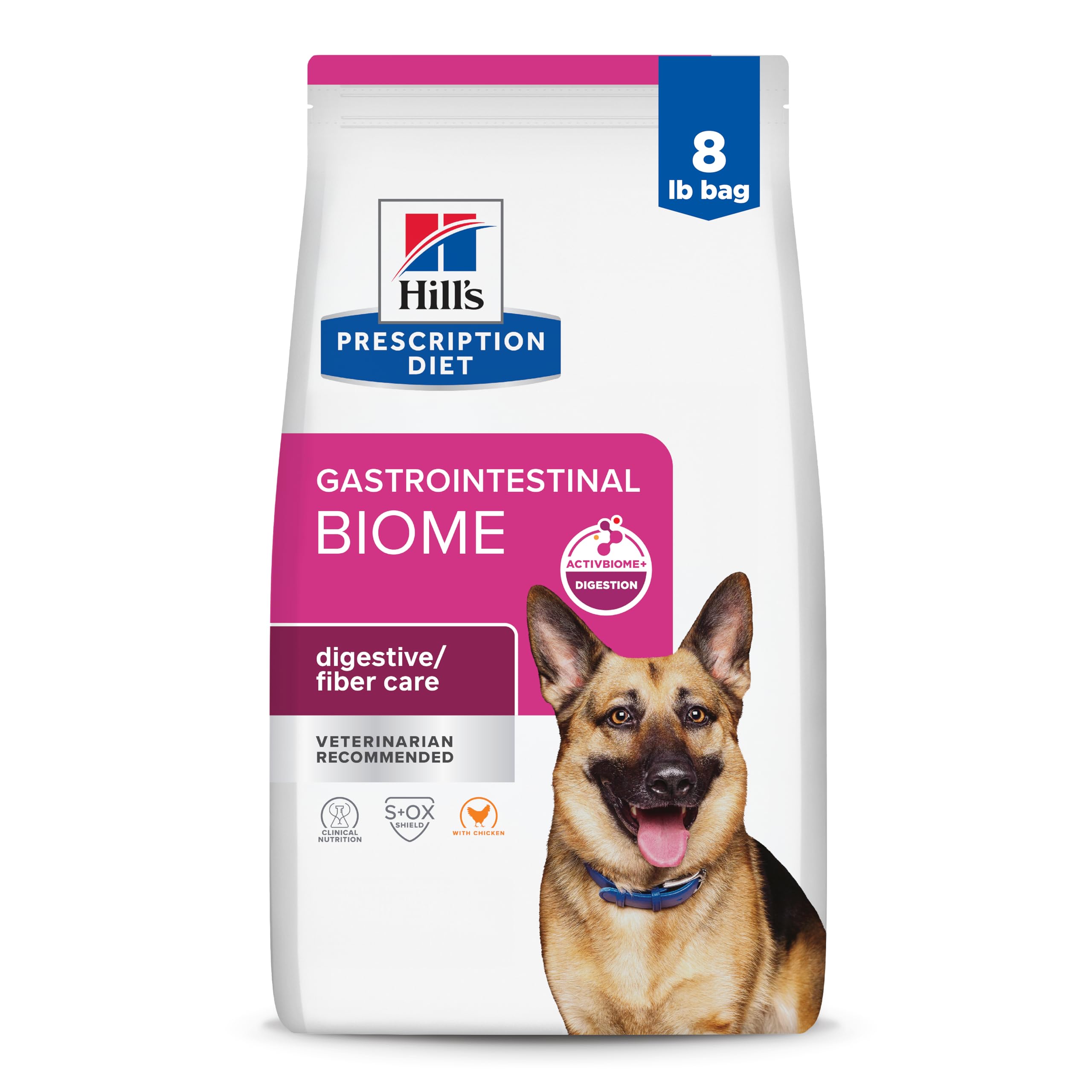
Hill's GI Biome Dry

Chronic diarrhea

Our Score 9.6/10
Check Price

Worth Noting

  • A small percentage of dogs refuse the taste, requiring a slow transition
  • Extremely expensive per pound, making ongoing use a significant financial commitment
Availability
Prescription
Protein Source
Chicken
Ingredient Type
Multi
Fiber & Probiotics
Prebiotic fiber
Read the full review

This prescription diet uses ActivBiome+ technology to firm loose stool within 24 hours, making it a targeted solution for dogs with chronic diarrhea. It focuses on digestive microbiome and fiber therapy rather than skin or allergy support, which sets it apart from general sensitive stomach formulas like the top pick Hill's Science Diet. The hydrolyzed protein option in this set addresses immune reactions, while this one tackles stool consistency directly.

Best for dogs with persistent loose stool or diarrhea that hasn't improved on other diets. Requires a vet prescription and is priced at over $8 per pound, so long-term use is a significant financial commitment. Not suitable for dogs with normal stools or for owners looking for an affordable over-the-counter option.

Gradually mix with previous food over a week to help picky dogs accept the new taste.

Bottom line: The best choice if your dog has chronic diarrhea and you're prepared for the prescription and ongoing cost — for mild upset, the top pick Hill's Science Diet Sensitive Stomach is more practical.
2

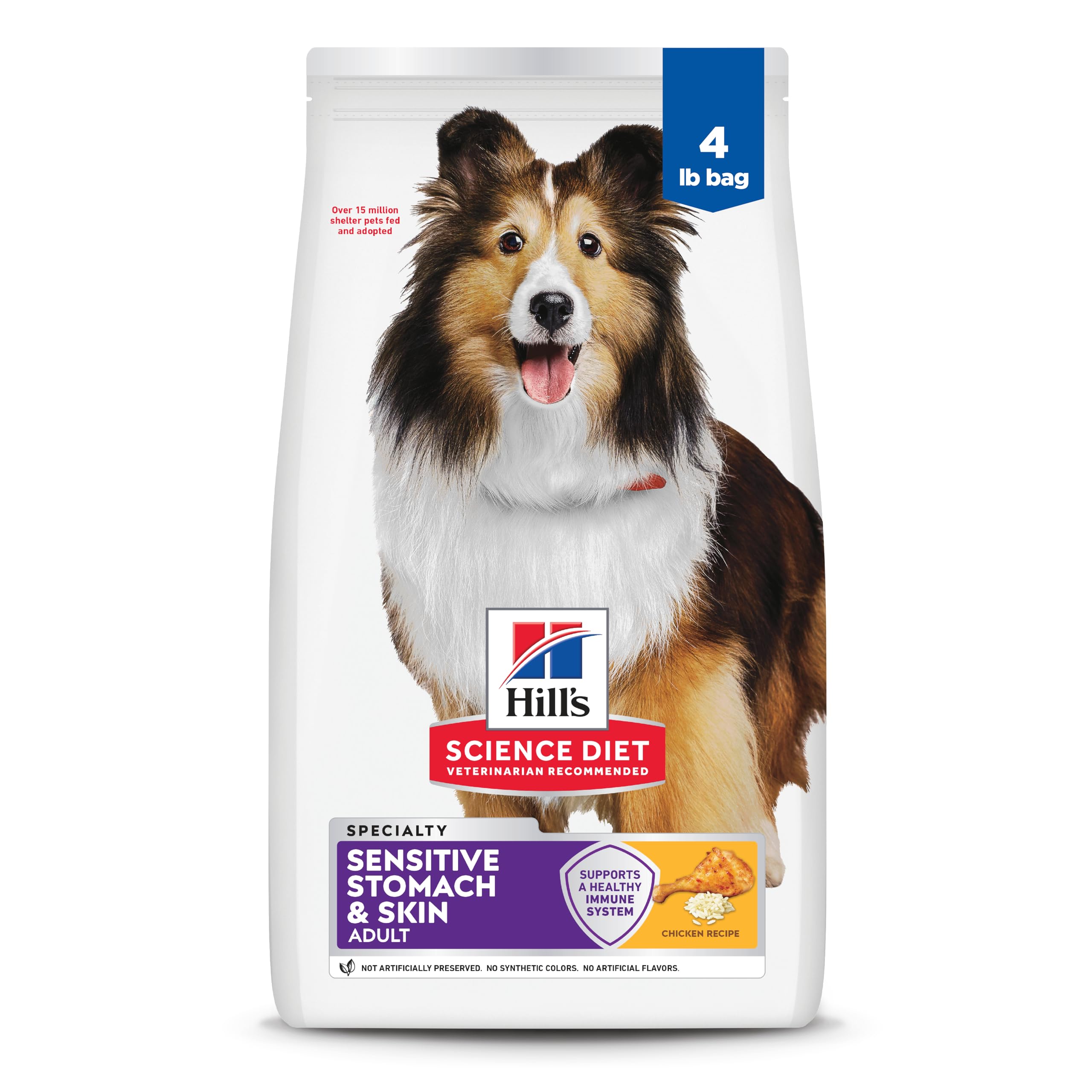
Hill's Science Diet Sensitive Stomach Dry

Hill's Science Diet Sensitive Stomach Dry

Stomach & skin

Our Score 9.4/10
Check Price

Worth Noting

  • Some dogs may refuse the taste or lose interest over time.
  • The 4-lb bag offers low value per pound; larger bags are not available in this variant.
Availability
OTC
Protein Source
Chicken
Ingredient Type
Multi
Fiber & Probiotics
Prebiotic fiber
Read the full review

Hill's Science Diet Sensitive Stomach Dry Dog Food uses prebiotic fiber to reduce diarrhea and vomiting while improving coat condition in dogs with both digestive and skin sensitivities. The formula is backed by veterinary recommendations and clinical research, making it a go-to choice for owners seeking a science-based solution.

Some dogs may refuse the taste or lose interest over time, so palatability is not universal. The 4-lb bag is a convenient trial size but comes at a higher per-pound cost than larger bags, which are not available in this product line. For dogs that accept the flavor, the digestive benefits are consistent.

Unlike some competing sensitive stomach formulas, this diet has no documented incidents of severe digestive upset or allergic reactions, making it a lower-risk option for first-time trials. The prebiotic fiber targets both stomach and skin health, addressing two common issues with one food.

This food is best for dogs with sensitive stomachs and skin allergies that have not previously rejected chicken-based kibble. It suits owners who prefer a vet-recommended, science-backed formula. However, picky eaters or those with chicken sensitivity should look elsewhere.

Gradually transition over 7-10 days to minimize refusal, and consider adding warm water to enhance aroma.

Bottom line: For dogs that accept the chicken flavor, this is the most effective choice for addressing both stomach and skin issues. Picky eaters or chicken-sensitive dogs should consider alternative protein sources.

3

Blue Buffalo Basics Turkey Dry

Blue Buffalo Basics Turkey Dry

Food allergies

Our Score 9.4/10
Check Price

Worth Noting

  • Grain-free formula doesn't support dogs that benefit from grain-inclusive diets.
  • Premium price per pound compared to other limited ingredient options.
Availability
OTC
Protein Source
Turkey
Ingredient Type
Limited
Fiber & Probiotics
Read the full review

Blue Buffalo Basics Turkey Dry offers a single novel protein diet that stops itching fast for dogs with chicken and grain allergies. Unlike the top pick's balanced prebiotic fiber approach, this formula focuses on elimination - no chicken, corn, wheat, or soy. This limited ingredient diet uses turkey as the sole animal protein, avoiding the common triggers that cause digestive upset and skin reactions.

This food is best for owners whose dogs have confirmed chicken or grain sensitivities and need a limited ingredient diet. However, the premium price per pound (~$2.90) is higher than other LID options, and the grain-free formula won't suit dogs that require grain-inclusive diets.

Compare per-pound cost with other LID options; buying the 24-lb bag reduces the per-meal cost compared to smaller bags.

Bottom line: For dogs with chicken or grain allergies, this turkey-based limited ingredient diet delivers consistent relief and improved coat condition - if the higher price fits your budget.

4

Hill's i/d Low Fat Dry

Hill's i/d Low Fat Dry

Pancreatitis

Our Score 9.4/10
Check Price

Worth Noting

  • Premium pricing per pound, especially with the small bag size.
  • Small kibble size may not be preferred by large-breed dogs.
Availability
Prescription
Protein Source
Chicken
Ingredient Type
Multi
Fiber & Probiotics
Prebiotic fiber
Read the full review

This prescription dry food uses a clinically formulated low-fat recipe to support pancreatic health in dogs with conditions like pancreatitis. It is highly digestible and well-tolerated by most dogs with fat intolerance. However, it requires a vet prescription and comes at a premium per-pound cost, making it a specialized therapeutic option rather than a general sensitive stomach food. Buyers seeking an affordable everyday food or a solution for mild digestive upset should look elsewhere.

Bottom line: Best suited for dogs with diagnosed pancreatitis or fat intolerance under veterinary guidance, but the high cost and prescription requirement make it a targeted therapeutic food rather than a general sensitive stomach choice.

5

Hill's z/d Hydrolyzed Dry

Hill's z/d Hydrolyzed Dry

Severe allergies

Our Score 9.4/10
Check Price

Worth Noting

  • Some dogs may refuse the taste or still experience digestive upset.
  • Very expensive for an 8-lb bag, and cost is a major barrier for ongoing use.
Availability
Prescription
Protein Source
Hydrolyzed chicken
Ingredient Type
Hydrolyzed
Fiber & Probiotics
Prebiotic blend
Read the full review

This formula uses hydrolyzed chicken protein broken down into fragments too small to trigger the immune system, making it a last-resort option for dogs with confirmed food allergies causing skin and digestive problems. It requires a veterinary diagnosis and prescription, and the price is premium-priced compared to over-the-counter sensitive stomach foods. For mild sensitivity or undiagnosed issues, this is overkill — the cost and prescription requirement make it a poor fit unless other options have failed.

Bottom line: Only consider this for dogs that have repeatedly failed other elimination diets and need the most hypoallergenic option available.

6

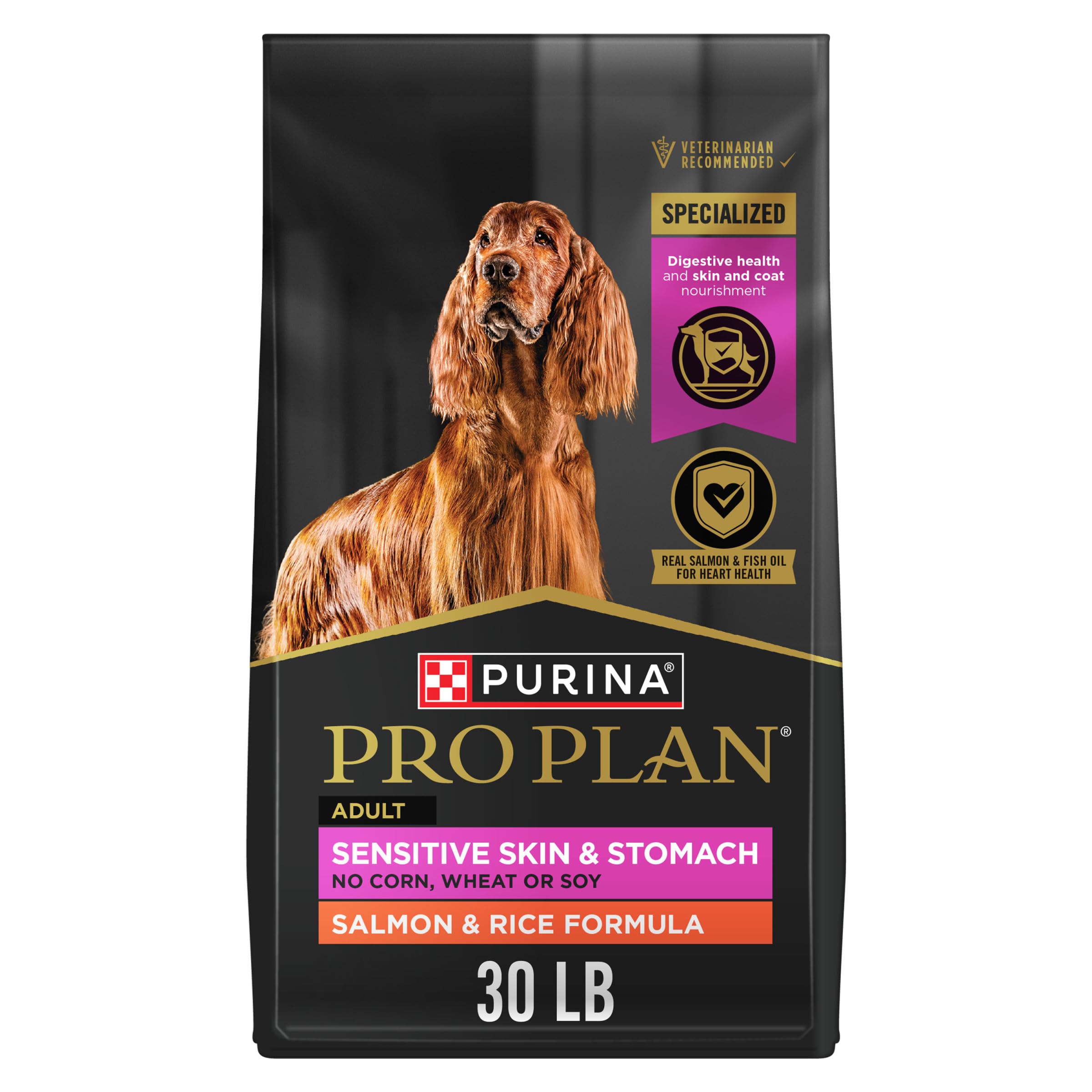
Purina Pro Plan Salmon & Rice Dry

Purina Pro Plan Salmon & Rice Dry

Skin allergies

Our Score 9.2/10
Check Price

Worth Noting

  • Can cause severe digestive upset or allergic reactions in some dogs, especially those with salmon sensitivity.
Availability
OTC
Protein Source
Salmon
Ingredient Type
Multi
Fiber & Probiotics
Prebiotics, probiotics
Read the full review

At 30 pounds with probiotics and salmon as the first protein, this Purina Pro Plan formula brings a bigger bag and better digestive support than the budget-friendly Purina ONE alternative. The kibble earns strong enthusiasm from most dogs, and the added prebiotic fiber helps maintain regular digestion.

This food suits owners of active dogs with skin allergies whose dogs have already tolerated salmon without issue. A minority of dogs may experience severe digestive upset or facial swelling, so it is not appropriate for dogs with known salmon sensitivity or for owners who cannot monitor for allergic reactions after each meal.

Transition over 7-10 days and watch for signs of digestive upset or facial swelling; consult a vet before feeding if your dog has a history of food allergies.

Bottom line: For dogs that handle salmon well, this bag gives dependable digestive and skin support at a lower per-pound cost than the top pick, but first-time buyers should transition slowly and watch for adverse reactions.

7

Hill's Science Diet Wet Turkey & Rice

Hill's Science Diet Wet Turkey & Rice

Picky eaters

Our Score 9.2/10
Check Price

Worth Noting

  • The smell may be unappealing to some owners.
  • Cans can arrive dented due to packaging.
Availability
OTC
Protein Source
Turkey
Ingredient Type
Multi
Fiber & Probiotics
Prebiotics
Read the full review

This wet food delivers high palatability with turkey and gravy that picky dogs enjoy, and the prebiotic fiber supports digestive health. It is best suited for dogs that refuse dry kibble or need extra moisture. The higher cost per feeding compared to dry options keeps it from a higher recommendation.

Bottom line: Best for picky dogs with sensitive stomachs that need wet food, as long as you can accept occasional dented cans.

8

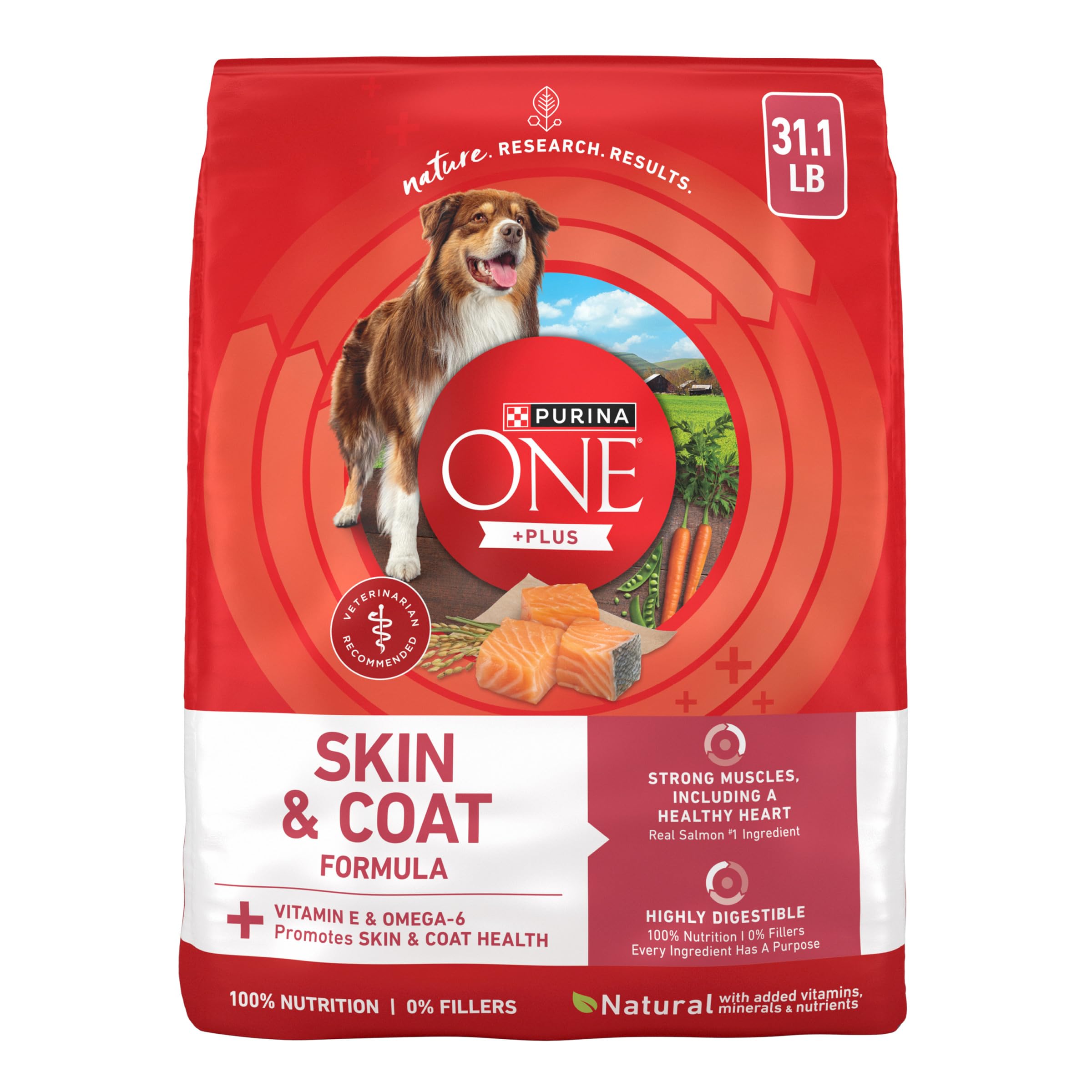
Purina ONE Sensitive Stomach Dry

Purina ONE Sensitive Stomach Dry

Budget dry

Our Score 9.2/10
Check Price

Worth Noting

  • Without a track record of user reports, digestive performance for sensitive stomachs is unverified
Availability
OTC
Protein Source
Salmon
Ingredient Type
Multi
Fiber & Probiotics
Read the full review

Purina ONE Sensitive Stomach Dry is the most budget-friendly option per pound in this set, with real salmon listed first and omega-6 fatty acids for skin and coat support. The catch: limited customer feedback means its digestive performance for sensitive stomachs remains unverified, making it a gamble for owners who want confirmed results before buying. This bag suits budget-conscious owners willing to test a new food with their dog and accept the uncertainty.

Bottom line: This bag fits budget-minded owners who are willing to test a new food and accept the lack of peer feedback as part of the low-cost trade-off.

9

Nutrish Gentle Digestion Wet

Nutrish Gentle Digestion Wet

Mild stomach

Our Score 9.0/10
Check Price

Worth Noting

  • Cans may arrive dented, potentially affecting freshness
  • A minority of dogs may experience severe reactions including bloody diarrhea
Availability
OTC
Protein Source
Chicken, Salmon
Ingredient Type
Multi
Fiber & Probiotics
Read the full review

This pate brings real chicken and pumpkin fiber at a budget-friendly price, offering extra moisture and natural fiber for dogs with mild digestive sensitivity. Unlike the top pick’s dry kibble, this wet formula can be used as a supplement or occasional meal topper, but its safety record isn’t as consistent across all dogs.

Best for budget-conscious owners whose dogs tolerate chicken and salmon and have mild stomach issues. However, a small number of dogs may react with severe diarrhea or blood, so this food is not suitable for dogs with known chicken allergies or a history of hemorrhagic gastroenteritis.

Introduce this food slowly over a week and watch for any signs of loose stool or blood; discontinue use if symptoms appear.

Bottom line: A budget-friendly wet food for mild sensitive stomachs, but only if your dog tolerates chicken and salmon and you monitor for adverse reactions.

How to Choose

Protein Source

The protein is often the main offender. Common proteins like chicken cause reactions in many dogs; switching to a novel protein (salmon, turkey, or hydrolyzed chicken) can resolve chronic upset. Novel proteins reduce the chance of an immune or inflammatory response.

A limited ingredient diet with one protein source is the fastest way to diagnose a protein allergy, but multi-protein formulas can work if the primary protein is novel and well-tolerated.

Fiber and Prebiotics

Prebiotic fiber (like beet pulp or inulin) feeds good gut bacteria and firms stool, while probiotics add live cultures that aid digestion. Foods with both are most effective for chronic loose stool, but too much fiber can cause gas or bloating in some dogs.

Look for a named prebiotic source — 'prebiotic fiber' on the label is more reliable than vague 'natural fiber' claims. Pumpkin and peas provide soluble fiber but lack the targeted bacterial support of specific prebiotics.

Fat Content

Low-fat formulas are critical for dogs with pancreatitis or fat intolerance; even moderate fat can trigger vomiting and abdominal pain. These diets use lean protein and restrict oil-based ingredients, which makes them less palatable and more expensive per pound.

For dogs without a diagnosed fat issue, a moderate fat level provides essential fatty acids for coat health without risking digestive distress. Avoid low-fat diets unless prescribed — they can leave some dogs undernourished.

Ingredient Type: Limited vs. Multi

Limited ingredient diets (LIDs) use one protein and one carbohydrate source to minimize allergen exposure. They are a smart starting point for dogs with unknown sensitivities, but they are not automatically 'gentler' than multi-protein recipes — a novel multi-protein formula can be equally effective if the individual proteins are tolerated.

The real trade-off is flexibility: LIDs leave less room for nutrient variety, while multi-protein foods may offer better overall nutrition for dogs without specific protein allergies.

Prescription vs. Over-the-Counter

Prescription diets use controlled ingredients (like hydrolyzed protein or clinical fiber blends) that are not available in OTC foods. They are the only option for dogs with severe, unresponsive conditions like chronic diarrhea, pancreatitis, or confirmed food allergies. The downside is cost — often $6 to $8 per pound — and the requirement for a vet visit.

OTC sensitive stomach foods are adequate for mild to moderate symptoms and cost much less per feeding. If an OTC food doesn't resolve issues within two weeks, a prescription diet is the next logical step.

Frequently Asked Questions