Food & Treats

9 Best Puppy Food for Boston Terriers of 2026: Less Diarrhea, More Growth

Find the best puppy food for your Boston Terrier's tiny mouth and sensitive stomach — without the digestive upset.

Boston Terrier puppies have famously delicate stomachs. Even top-rated puppy foods can trigger diarrhea if they don't match your puppy's specific needs. The problem isn't always the brand — it's how the formula interacts with a brachycephalic breed's digestion and kibble size preferences.

A slow 7–10 day transition is the single most effective step you can take, but choosing the right starting point matters just as much. The best options combine tiny kibble that fits a flat face, a protein source that settles well, and added prebiotics or probiotics to support gut health.

This guide focuses on formulas that minimize digestive upset first and growth nutrition second — because a puppy that can't keep food down can't benefit from it.

1

Royal Canin Small Puppy

Top Pick
Royal Canin Small Puppy

Small breed puppies

Our Score 9.6/10
Check Price

Worth Noting

  • Premium price means paying more per pound than many alternatives.
  • Some puppies may have mild diarrhea during the initial transition period.
Kibble Size
Extra-small
Protein Source
Chicken
Price Per Pound
High
Digestive Support
Prebiotics, DHA
Read the full review

Royal Canin sizes its kibble deliberately small for breeds like the Boston Terrier, where standard pellets can be awkward to chew. Combined with prebiotics that support a balanced gut environment, this formula delivers consistent nutrition without the ingredient drama that upsets sensitive stomachs.

That said, even the gentlest formula can trigger mild diarrhea during the first few days of transition — a possibility worth planning for. Once adjusted, the food maintains solid stool quality and strong appetite, even among picky eaters. The payoff is a diet that supports growth without constant monitoring for digestive surprises.

This works best for owners who want a vet-recommended, breed-specific approach and are comfortable paying a premium for tailored nutrition. The main tradeoff: some puppies may still experience mild loose stools during the switch, and the price sits above most alternatives. That suits someone prioritizing digestion reliability over budget savings.

Introduce the food gradually over 7-10 days, mixing increasing proportions of Royal Canin with the previous diet to minimize transition-related loose stools.

Bottom line: For Boston Terrier puppies and similar small breeds, this is the formula that balances tiny-kibble design with the most predictable digestive results — worth the premium if stomach sensitivity is a concern.

2

Hill's Small & Mini Puppy

Hill's Small & Mini Puppy

Small breed puppies

Our Score 9.6/10
Check Price

Worth Noting

  • Some puppies may experience diarrhea when transitioning to this food.
  • The small kibble can be a choking hazard for puppies that gulp food.
Kibble Size
Nibble-sized
Protein Source
Chicken
Price Per Pound
Medium
Digestive Support
DHA, antioxidants
Read the full review

Hill's Science Diet Small & Mini formula uses natural chicken and brown rice in a kibble specifically sized for small mouths. It's a vet-backed option that costs less than the top pick while providing similar nutrition for growing puppies.

Boston Terrier owners should pair this food with attentive feeding supervision. The tiny kibble is easy to chew but can be a choking risk for puppies that gulp — best for slow eaters. Puppies with known chicken sensitivity may not tolerate this formula.

Transition slowly over 7-10 days to minimize digestive upset.

Bottom line: A cost-effective choice for Boston Terrier owners who supervise feeding and ensure their puppy chews properly.

3

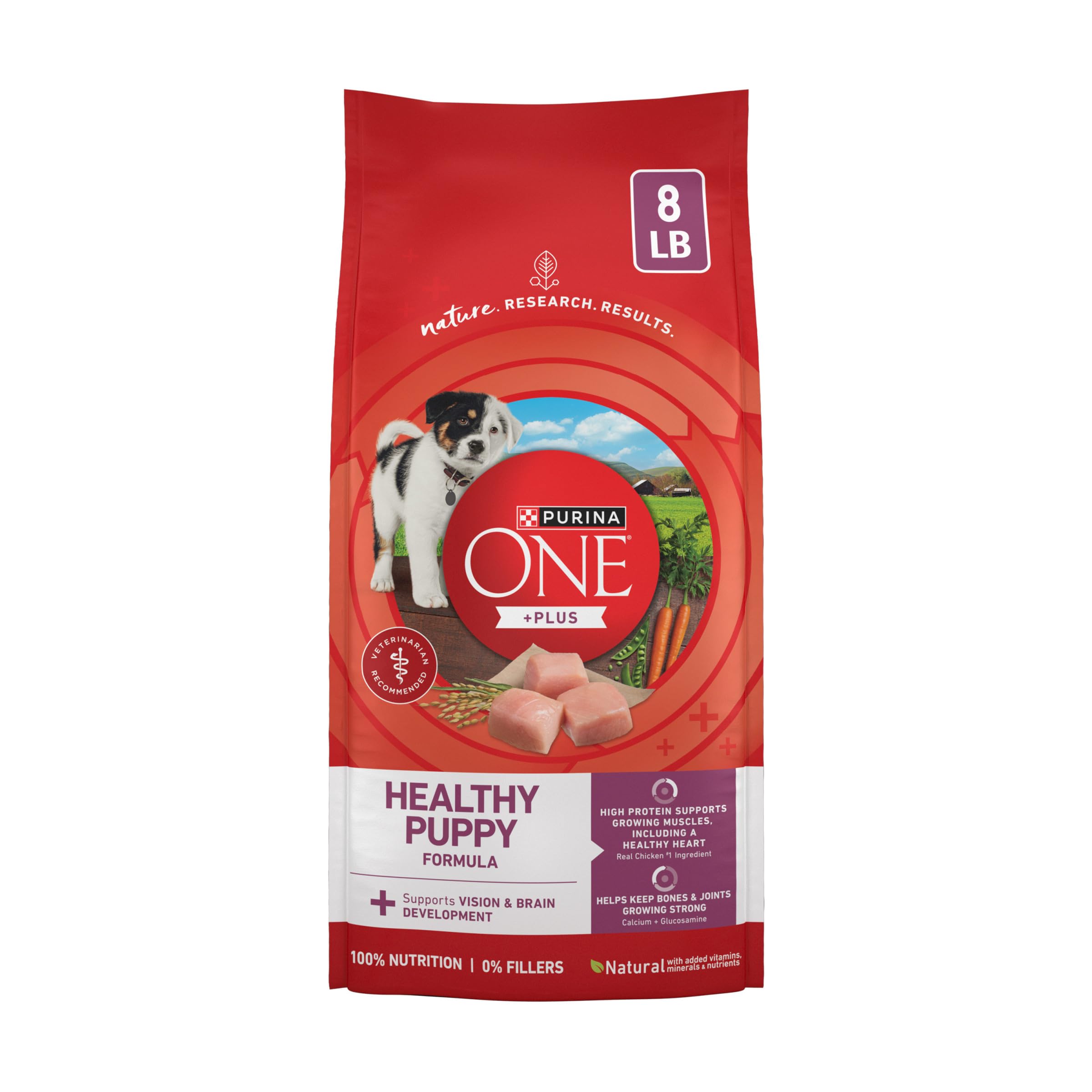
Purina ONE Puppy

Purina ONE Puppy

Budget-conscious

Our Score 9.4/10
Check Price

Worth Noting

  • Some puppies can develop diarrhea, especially during the transition period.
  • The varied kibble texture includes larger crunchy bites that may be challenging for very small mouths.
Kibble Size
Crunchy with morsels
Protein Source
Chicken
Price Per Pound
Low
Digestive Support
DHA, omega-6
Read the full review

Purina ONE Puppy delivers a high-protein, chicken-first formula at a budget-friendly price per pound, with crunchy bites and tender morsels. While the kibble isn't designed specifically for tiny mouths like the top pick's extra-small shape, it suits puppies that eat at a moderate pace. The varied texture adds appeal for many pups.

This formula is best for budget-conscious owners of puppies without known food sensitivities or sensitive stomachs. Some puppies may develop diarrhea during transition, so a gradual switch over a week is important. Not recommended for Boston Terriers with delicate digestion or those that tend to gulp food quickly.

Transition over 7-10 days to reduce the chance of digestive upset.

Bottom line: A budget-friendly option that delivers solid nutrition – works well for puppies without digestive sensitivities, but not the first choice for Boston Terriers with delicate stomachs due to diarrhea risk.

4

Fromm Puppy Gold

Fromm Puppy Gold

Premium ingredients

Our Score 9.4/10
Check Price

Worth Noting

  • The per-pound cost is higher than many comparable puppy foods.
Kibble Size
Small pellets
Protein Source
Chicken, duck, lamb
Price Per Pound
High
Digestive Support
Probiotics, salmon oil
Read the full review

Fromm Puppy Gold combines multiple protein sources with probiotics and salmon oil in small, puppy-friendly pellets. The brand is family-owned and discloses its ingredient sourcing. While the top pick emphasizes digestive reliability, Fromm focuses on ingredient variety and transparency - each bag contains chicken, duck, and lamb with no fillers, making it a strong alternative for owners who want to know exactly what their puppy is eating.

This formula works best for Boston Terrier owners who want a clean, multi-protein diet and are comfortable with a premium per-pound cost. Some puppies may experience loose stools during the initial transition - slow introduction over a week helps minimize this. The small kibble size suits small mouths well.

Bottom line: Boston Terrier owners who prioritize ingredient quality over savings will find Fromm Puppy Gold a well-constructed, transparently sourced diet.

5

Blue Buffalo Baby Blue

Blue Buffalo Baby Blue

Natural budget

Our Score 9.4/10
Check Price

Worth Noting

  • Some picky eaters may refuse the kibble.
  • Diarrhea can occur in puppies with sensitive digestion.
Kibble Size
Tiny kibble
Protein Source
Chicken
Price Per Pound
Low
Digestive Support
DHA, LifeSource Bits
Read the full review

Blue Buffalo Baby Blue delivers a clean ingredient list with real chicken first, DHA, and Taurine, plus tiny kibble that small-breed puppies like Boston Terriers can easily chew. The natural formula avoids corn, wheat, and soy at a low price. However, digestive tolerance varies - some puppies develop diarrhea, making this a better fit for those without known stomach issues. For owners seeking an affordable natural dry food with small kibble and no by-products, this is a worthwhile option when your puppy's digestion is stable.

Bottom line: A solid fit if your Boston Terrier puppy has no history of digestive issues and you prioritize clean ingredients and small kibble on a budget.

6

Purina Pro Plan Chicken

Purina Pro Plan Chicken

All-purpose

Our Score 9.4/10
Check Price

Worth Noting

  • Some puppies with sensitive digestion may have loose stools on this formula
Kibble Size
Standard
Protein Source
Chicken
Price Per Pound
Medium
Digestive Support
Probiotics, antioxidants
Read the full review

Purina Pro Plan Chicken and Rice formula offers a solid mid-range option with real chicken as first ingredient and added probiotics for digestive support. The standard kibble size works for Boston Terrier puppies that are careful chewers. However, this formula is not designed for sensitive stomachs; some puppies may experience loose stools during transition. It has fewer digestive complaints than the Shredded variant, making it a safer bet among chicken-based options, but for puppies with known sensitivities, the Salmon formula is a better fit.

Bottom line: Best for Boston Terrier puppies that tolerate chicken well and don't have known digestive sensitivities.

7

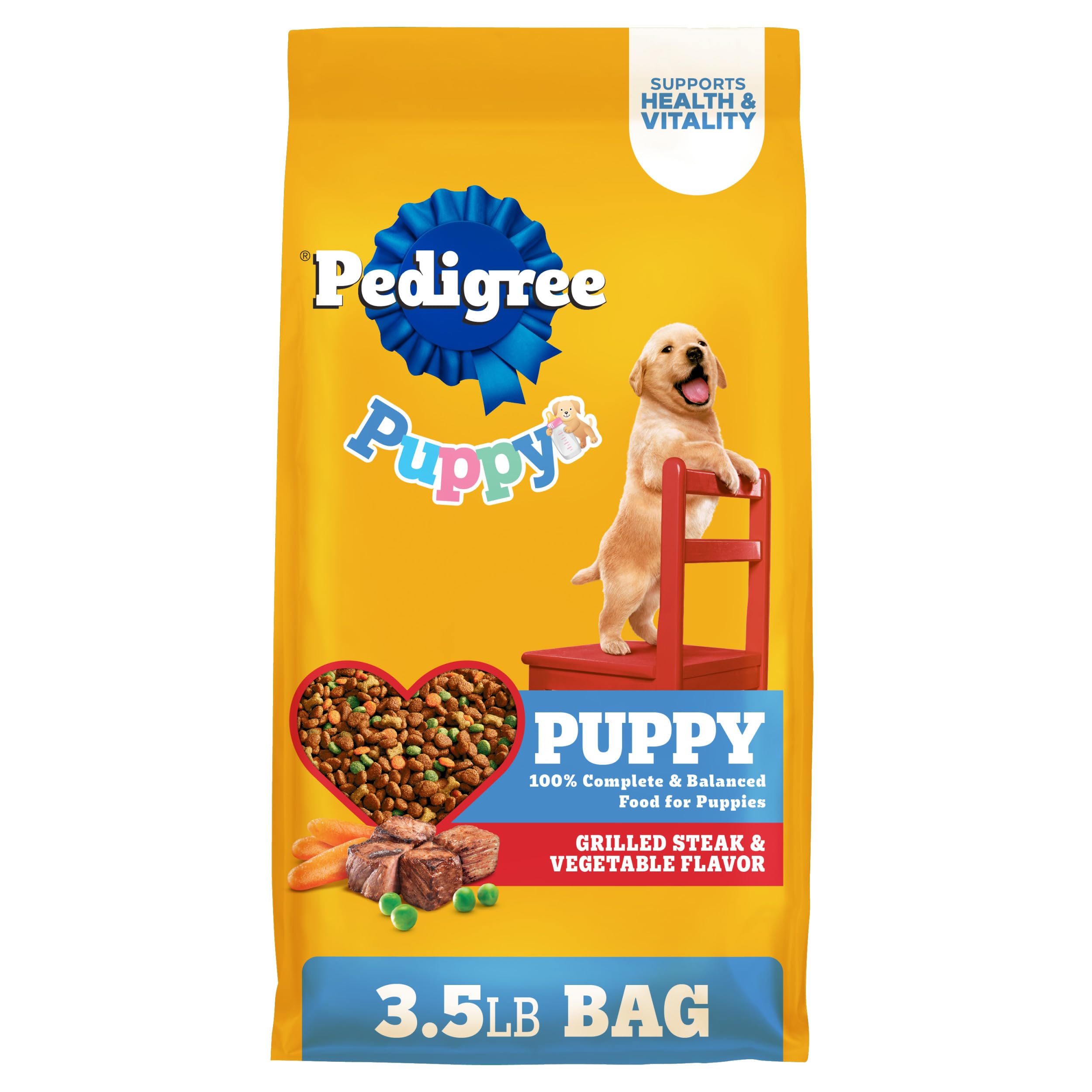
Pedigree Puppy

Pedigree Puppy

Emergency feeding

Our Score 9.4/10
Check Price

Worth Noting

  • In puppies with sensitive digestion, the recipe can cause loose stools
  • Some bags contain pieces too large for very small mouths like Boston Terrier puppies
Kibble Size
Small pieces
Protein Source
Steak & vegetable
Price Per Pound
Very Low
Digestive Support
36 vitamins
Read the full review

Pedigree Puppy costs less than any alternative, making it the go-to when budget is the overriding concern. The small kibble size suits many puppies, but the recipe can cause digestive upset in some, and kibble size varies bag to bag. This food works best as a short-term backup or in multi-dog homes where occasional waste is less critical — not as a consistent long-term diet for a Boston Terrier puppy.

Bottom line: This food serves its purpose as a emergency backup or multi-dog filler when cost is the priority — but it is not a daily diet for a Boston Terrier puppy.

8

Pro Plan Sensitive Puppy

Pro Plan Sensitive Puppy

Sensitive stomachs

Our Score 9.2/10
Check Price

Worth Noting

  • Strong fishy odor may carry through the home.
  • Some puppies may still have loose stools despite the sensitive formula.
Kibble Size
Small
Protein Source
Salmon
Price Per Pound
Medium
Digestive Support
Prebiotics, probiotics
Read the full review

Salmon is the sole protein source in this Purina Pro Plan formula, with prebiotic fiber and probiotics to settle sensitive digestion. The small kibble is sized for smaller mouths like those of Boston Terriers, gentle on growing teeth. DHA supports brain development, while omega-6 fatty acids nourish skin and coat. This provides a chicken-free option for puppies with allergies or skin issues.

This food suits puppies that react poorly to chicken-based diets or have sensitive skin. The strong fishy odor is real and may linger, so it's best for owners who can tolerate that. Even with the sensitive formula, some puppies may still experience loose stools during transition — a gradual switch and close observation are recommended. Priced in the mid-range, it offers targeted nutrition without the premium cost of some alternatives.

Store the bag in a sealed container to reduce odor; if loose stools persist, consult your vet about adding a probiotic.

Bottom line: Owners willing to accept the fishy smell get a salmon-based formula that addresses chicken allergies and supports sensitive digestion at a mid-range price.

9

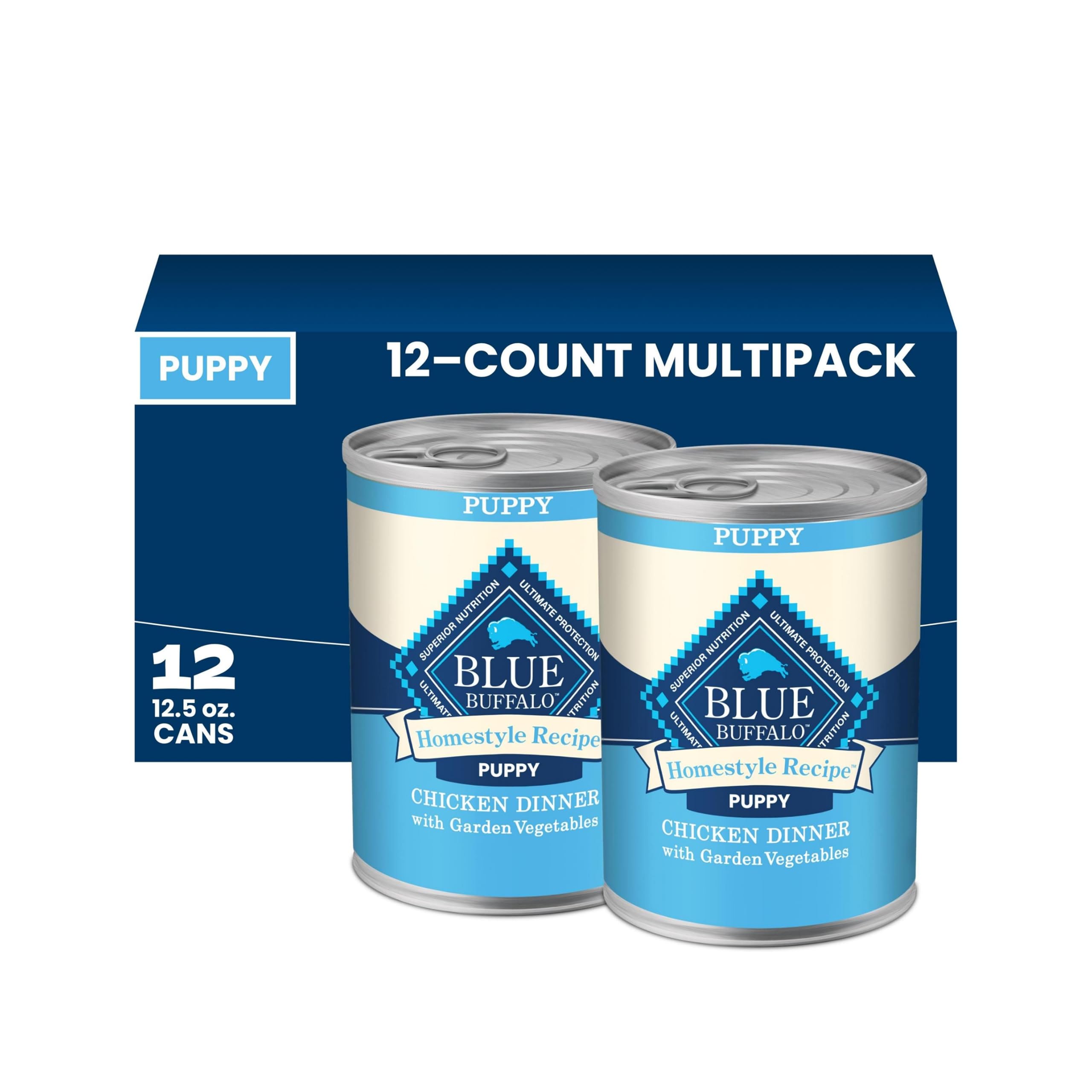
Blue Buffalo Wet Puppy

Blue Buffalo Wet Puppy

Wet food mixer

Our Score 9.2/10
Check Price

Worth Noting

  • Premium price per can makes it costly as a primary food source.
Kibble Size
Pate (wet)
Protein Source
Chicken
Price Per Pound
Very High
Digestive Support
Omega-3 & 6
Read the full review

This paté delivers real chicken and garden vegetables that puppies enjoy, making it a good choice for adding moisture and flavor to a dry kibble routine. However, it is priced at a premium per can and does not provide the complete mineral balance of a dry food, so it works best as a supplement rather than a full diet.

Bottom line: Use this as a weekly topper or mix-in for picky puppies who need extra moisture, but pair it with a complete small-breed dry food for balanced nutrition.

How to Choose

Kibble Size

Boston Terriers have flat faces and small mouths. Kibble that is too large can cause gagging or be rejected entirely; kibble that is too small (smaller than a pea) can be inhaled and pose a choking risk for gulpers. Look for a kibble diameter between 6–9mm, often labelled as "small breed" or "mini" kibble.

A kibble that is slightly larger than a pea encourages chewing, which slows down eating and reduces air intake that can cause gas. The best options balance a size that fits comfortably in a Boston Terrier's mouth without being a choking hazard.

Breed-Specific Formulation

Not all "puppy" foods are formulated for small breeds. Small-breed-specific recipes adjust calorie density, calcium-to-phosphorus ratio, and kibble shape for faster metabolisms and smaller jaw structures. Boston Terriers benefit from these adaptations because their growth rate differs from larger breeds.

Skip all-breed formulas if you can — they often use kibble that is either too large or too dense in calories per piece, leading to overfeeding or underfeeding. Dedicated small-breed formulas take the guesswork out of portioning.

Protein Source

Chicken is the most common protein in puppy foods and works well for most Boston Terriers, but a significant minority develop sensitivities — itching, loose stools, or ear infections. If your puppy reacts poorly to chicken, salmon or lamb are safer alternatives that still provide essential amino acids.

Beware of multi-protein formulas (e.g., chicken + duck + lamb) if you are trying to isolate a food allergy. A single novel protein diet makes it easier to identify triggers. For puppies without allergies, a varied protein source can provide a broader amino acid profile.

Digestive Health Support

Prebiotics (like chicory root) feed good gut bacteria, while probiotics add live bacteria to the digestive tract. Look for guaranteed levels of these ingredients — not just "contains" — because the manufacturing process can kill probiotics in dry kibble. DHA (an omega-3 fatty acid) supports brain and eye development but also has anti-inflammatory properties that help a calm stomach.

A formula with added fiber (like beet pulp or pumpkin) can help firm up stools during the transition period. Avoid foods with artificial preservatives or high levels of corn and wheat, as these are common irritants for sensitive Boston Terrier guts.

Price Per Pound

Puppy food price per pound varies widely, from under $2 to over $8. The sweet spot for Boston Terriers is usually the mid-range ($3–$5 per pound), where you get breed-specific kibble design, quality protein, and added gut support without paying for expensive marketing. Budget options can work well if your puppy tolerates them, but they often lack the kibble shape and prebiotic additions that make a difference for this breed.

Be wary of ultra-cheap bags: they may use larger kibble or lower-quality protein sources that trigger digestive issues. You end up wasting money on uneaten food or vet visits for diarrhea.

Frequently Asked Questions