Tech & Gadgets

7 Best Dog GPS Tracker 2026: Real Battery Life Delivered

Which dog GPS trackers actually last between charges? This guide cuts through exaggerated claims to find the right tracker for your dog's needs and budget.

Dog GPS trackers promise peace of mind, but the gap between marketing and real-world performance can be wide. Battery life claims of 'three months' often translate to weekly charging, and subscription fees turn a one-time purchase into an ongoing cost.

The decision comes down to a core trade-off: whether you want the convenience of a phone-based tracker with health alerts and a polished app, or the rugged independence of a no-subscription system with a dedicated handheld. Each approach suits a different kind of outing and a different dog.

This guide cuts through the specs and reviews to show you which trackers actually hold up in daily use, what hidden costs to expect, and how to match a device to your dog's size, your terrain, and your tolerance for recurring fees.

1

Garmin Alpha T 20

Top Pick
Garmin Alpha T 20

Garmin handheld users

Our Score 9.4/10
Check Price

Worth Noting

  • Collar may feel too large for dogs under 20 lbs, limiting its fit for smaller breeds.
Integration
Garmin handheld
Battery Life
68h std, 136h exp
Subscription
None
Range & Coverage
9-mile range
Read the full review

With a 9-mile range and up to 136 hours of battery life in expanded mode, this collar delivers strong performance for serious hunters. It pairs exclusively with Garmin handhelds (sold separately), so it's only a practical option for those already in the ecosystem. Best suited for owners of larger dogs who need extended tracking without monthly costs, though the collar's bulk makes it less comfortable for dogs under 20 lbs.

The expanded battery pack adds weight but is worth it for multi-day hunts.

Bottom line: This collar makes sense for Garmin handheld owners who prioritize range and battery life over a standalone tracker, but it's not a solution for new buyers.

2

Garmin Pro 550 Plus

Garmin Pro 550 Plus

Trainers & hunters

Our Score 9.4/10
Check Price

Worth Noting

  • On initial power-up, the handheld can take time to acquire satellites
Integration
Handheld included
Battery Life
Subscription
None
Range & Coverage
2-mile range
Read the full review

The handheld controls stimulation, tone, and vibration while displaying each dog's location on a map without requiring cellular signal or an app. This setup targets professional trainers and hunters managing multiple dogs in the field. The high upfront investment and occasional delay in satellite lock mean it suits those who need the combined training and tracking capability rather than casual pet owners seeking a simple tracker.

Power on the handheld a few minutes before you head out to let it acquire satellites and avoid waiting in the field.

Bottom line: A serious tool for professionals who want one device for both training and tracking multiple dogs, though the premium price and slow GPS lock limit its value for casual use.

3

Garmin TT 15 Mini

Garmin TT 15 Mini

Small breeds

Our Score 9.4/10
Check Price

Worth Noting

  • Battery life may be shorter than advertised; some users report around 8 hours of active tracking.
Integration
Garmin handheld
Battery Life
16-30h variable
Subscription
None
Range & Coverage
Depends on handheld
Read the full review

The TT 15 Mini is lighter and more compact than standard Garmin collars, making it a better fit for small breeds. Its GPS/GLONASS tracking is consistent in the field. However, battery life can fall short of the advertised 16-30 hours, and it requires a separate Garmin handheld to function – a niche add-on for existing system owners.

Bottom line: This collar makes sense only for owners already invested in the Garmin handheld ecosystem with small-breed dogs who can work around the battery constraint.

4

Dogtra PATHFINDER2 MINI

Dogtra PATHFINDER2 MINI

Hunters & hikers

Our Score 9.2/10
Check Price

Worth Noting

  • For casual urban use, the high upfront cost outweighs subscription savings -- more appropriate for dedicated off-leash users
  • In heavy tree cover or near interference, the collar may briefly lose GPS lock
Integration
Handheld + app
Battery Life
Subscription
None
Range & Coverage
4-mile range
Read the full review

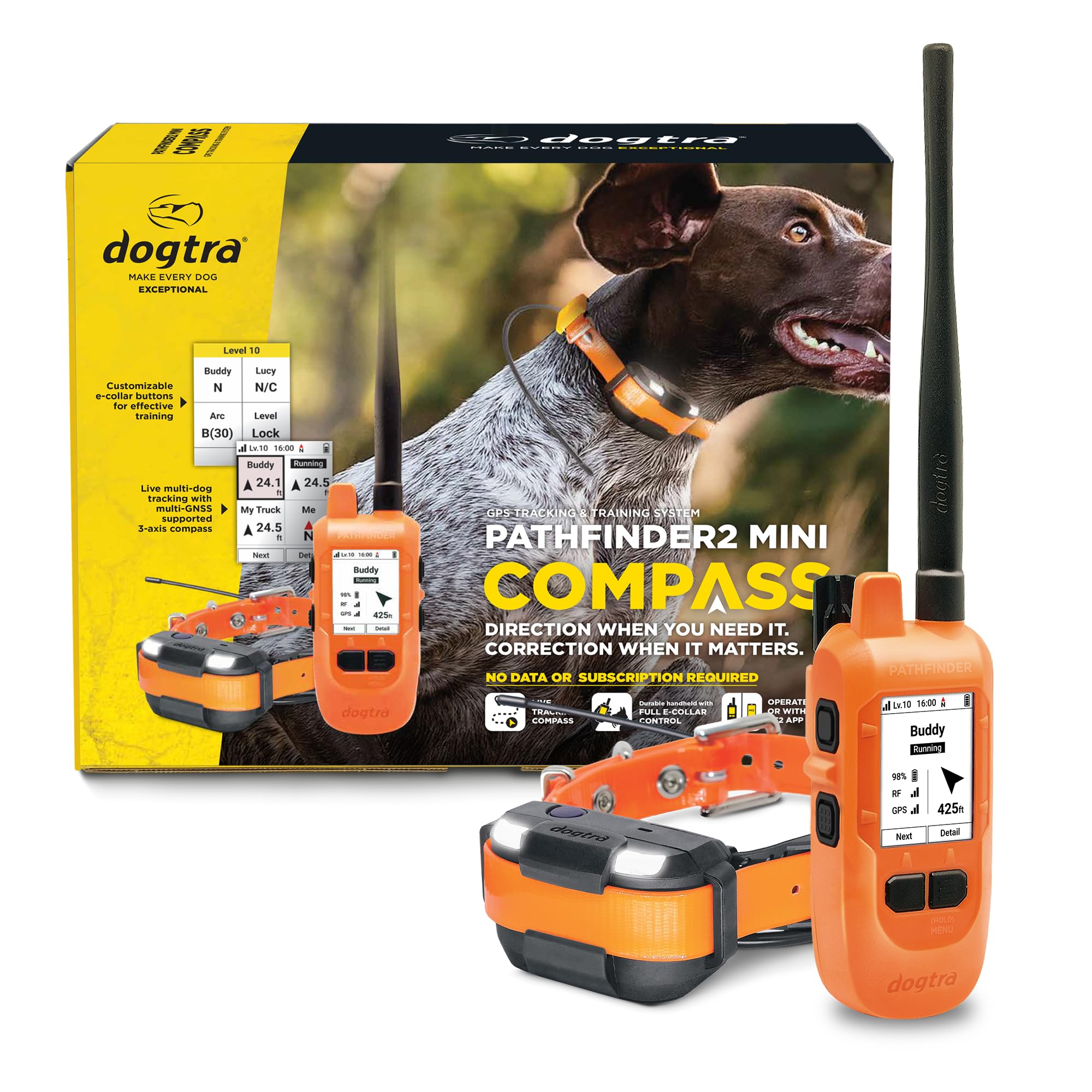
No monthly subscription and a 2-second update rate set the Dogtra Pathfinder2 Mini apart from subscription-based trackers like the Fi Series 3+. The rugged handheld and IPX9K waterproof collar hold up in wet, muddy field conditions.

This system suits owners who train or hunt multiple dogs, as it expands to 21 collars without any recurring cost. The $500-plus price and occasional GPS dropouts in dense cover mean it's a better fit for serious off-leash work than casual suburban monitoring.

Keep the charging contacts dry and clean to avoid intermittent charging issues.

Bottom line: A no-compromise tracker for hunters and remote hikers who want zero recurring fees and reliable real-time location, even if that means a premium initial investment.

5

Fi Series 3+

Fi Series 3+

Health & escape alerts

Our Score 8.2/10
Check Price

Worth Noting

  • GPS location may be imprecise in areas with weak cellular signal.
  • Battery lasts about a week, not the three months advertised.
Integration
Phone app
Battery Life
Claimed 3 mo, real ~1 wk
Subscription
12 mo included, then fee
Range & Coverage
Cellular & Wi-Fi
Read the full review

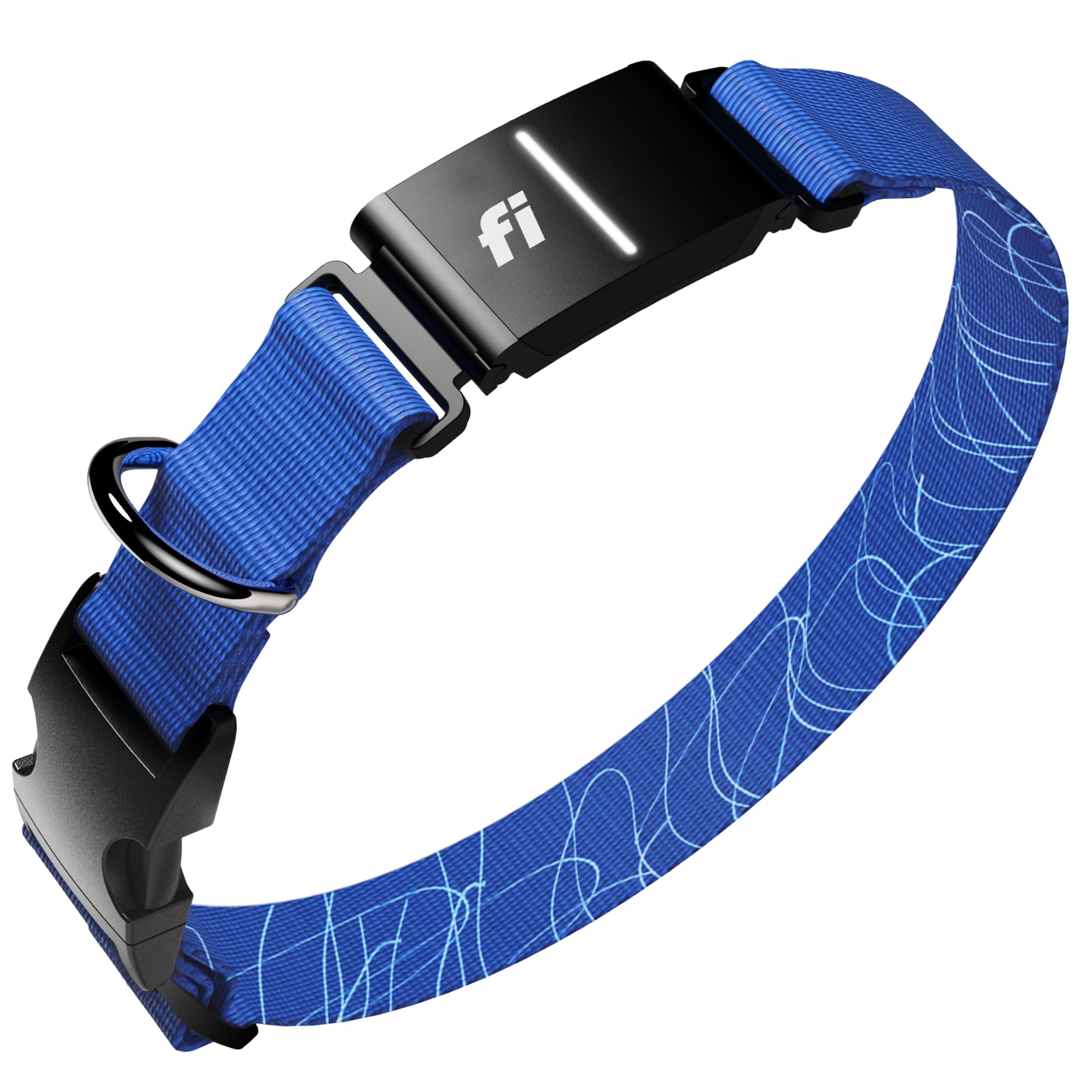
The Fi Series 3+ pairs health and activity tracking with escape alerts in a lightweight, water-resistant collar. The companion app is quick to set up and offers clear notifications. A large user community provides extensive feedback on daily use, helping new owners get the most out of the device.

Battery life falls well short of the advertised three months — expect to recharge roughly every week. GPS accuracy depends on cellular coverage, so location updates can lag in areas with weak signal. This tracker suits suburban pet owners who want health insights and escape alerts and are comfortable with a subscription after the first year. It is not designed for off-grid or remote use where consistent cellular service is unavailable.

Set a weekly reminder to recharge — the collar needs a charge every seven days, not every three months.

Bottom line: A solid everyday tracker for pet owners who value health monitoring and escape alerts and can accept weekly charging plus a subscription after year one.

6

DBDD AI GPS Tracker

DBDD AI GPS Tracker

Budget buyers

Our Score 8.0/10
Check Price

Worth Noting

  • Monthly subscription is mandatory, adding ongoing cost over time.
  • Silicone mounting clip and collar strap can wear out with heavy daily use.
Integration
Phone app
Battery Life
Days between charges
Subscription
Required
Range & Coverage
Cellular coverage
Read the full review

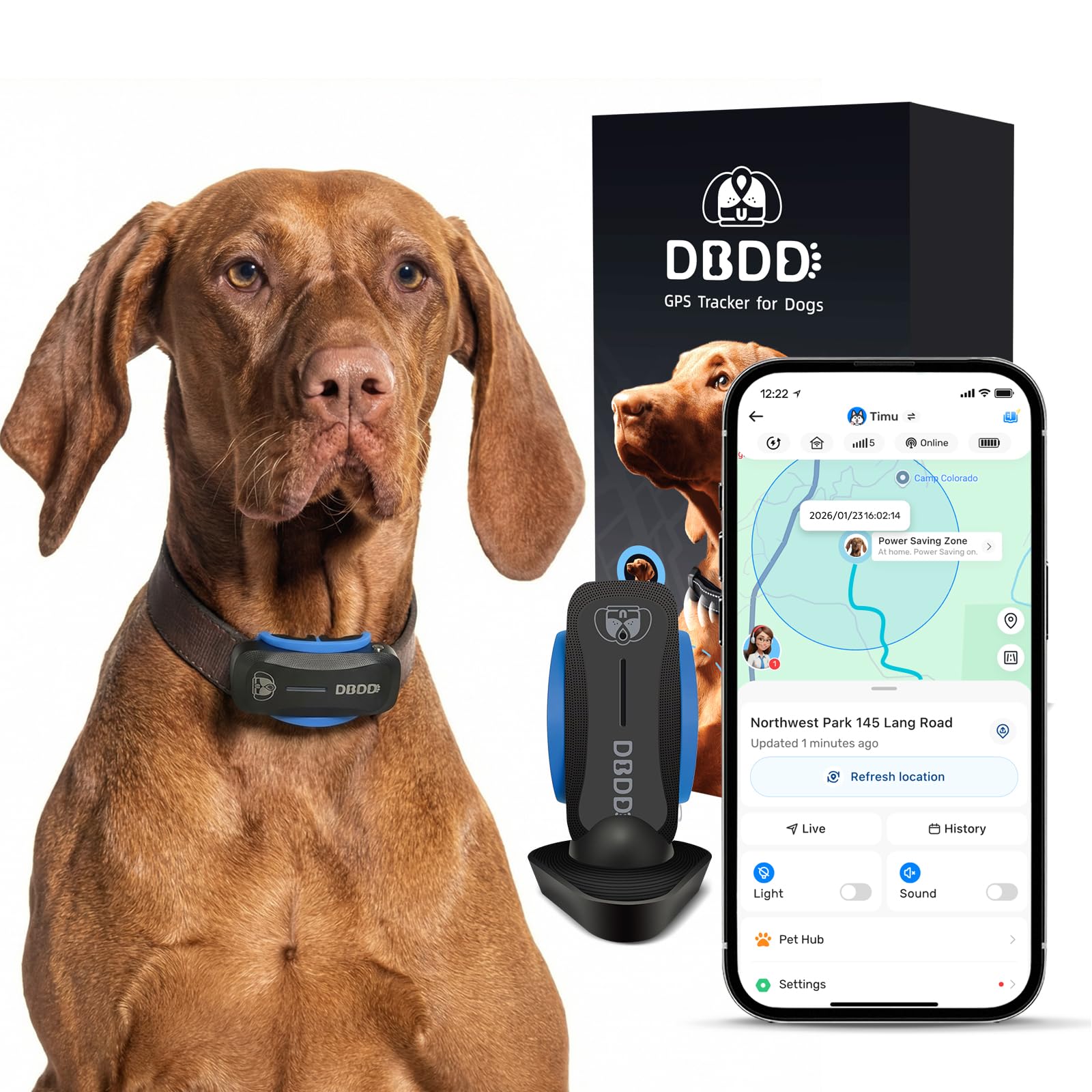
Under $50 upfront with accurate real-time tracking and a battery that lasts days between charges, this tracker is one of the most affordable ways to keep tabs on a medium-to-large dog in suburban areas. Setup is quick, and the app provides clear location data within cellular range.

This fits budget-conscious owners comfortable with a mandatory monthly subscription, but the silicone clip and collar strap may wear faster than pricier options. It works best where cellular coverage is strong—not for off-grid adventures.

Check the silicone clip periodically for wear, and consider a backup attachment method if your dog is very active.

Bottom line: If you’re comfortable with a subscription and stay within cellular coverage, this is a cost-effective way to track a medium-to-large dog—just keep an eye on the attachment clip over time.

7

Aorkuler Tracker 2

Aorkuler Tracker 2

Off-grid adventurers

Our Score 8.0/10
Check Price

Worth Noting

  • GPS connection can be inconsistent
  • Battery drains faster than advertised in cold weather or with heavy use.
Integration
Standalone handheld
Battery Life
24h cont, 10+ days
Subscription
None
Range & Coverage
3.5-mile LOS
Read the full review

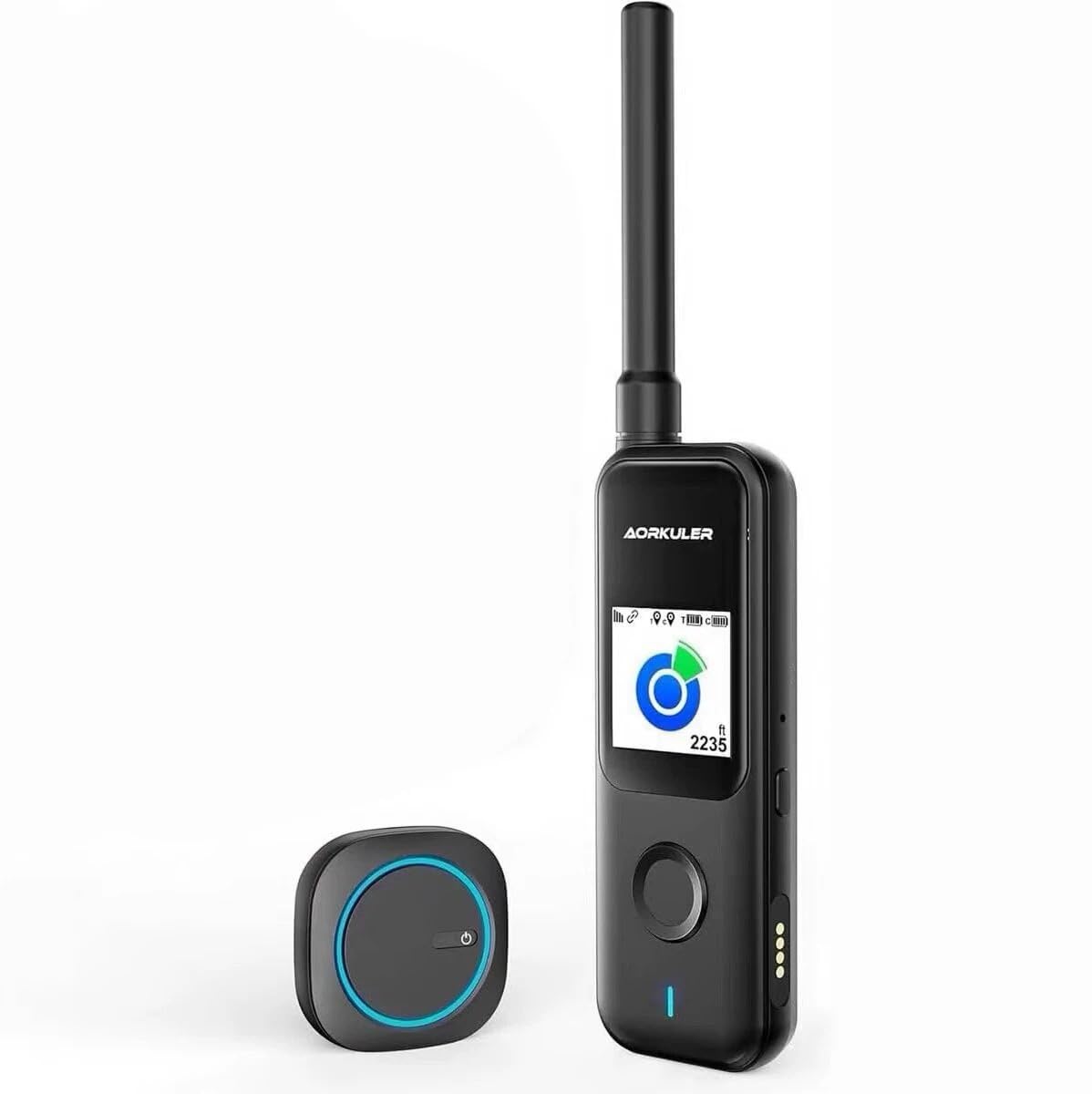
This tracker works entirely without a phone or cellular signal — the handheld controller shows distance and direction via an arrow, making it a fit for off-grid hikes and camping. The collar is lightweight at just over an ounce, comfortable for all-day wear. However, some units may lose GPS lock or take time to connect initially, and battery life can drop faster than stated, especially in colder conditions. Setup also requires patience due to sparse documentation. It suits owners who prioritize no monthly fees and full privacy over polished reliability.

Review online setup guides before first use — the included documentation is minimal.

Bottom line: For off-grid hikers who want no recurring fees and don't need a phone app, this tracker delivers — but expect quirks in GPS lock and battery life.

How to Choose

Subscription or No Subscription

Subscription trackers rely on cellular networks for location data, which means a monthly fee after the first year. Over three years, that fee can double or even triple the total cost of a budget tracker.

No-subscription models use radio frequency between a collar and a handheld receiver. They require no cellular service, but the handheld is an upfront investment that can push the entry price above $500.

Battery Life

Manufacturers commonly quote battery life under ideal conditions—low update rates, moderate temperatures, and minimal signal searching. In real use, constant GPS polling and cellular communication drain the battery far faster.

A tracker that claims '3 months' in standby might need weekly charging when the dog is active. Look for user reviews that report actual days between charges, and treat standby claims with skepticism.

Update Frequency and GPS Accuracy

Update rate determines how often the tracker reports the dog's location. A 2-second update feels nearly live, while a 60-second update can miss a fast-moving dog by several hundred feet.

GPS accuracy also depends on satellite geometry and terrain. Dense tree cover or urban canyons degrade signal, especially for cellular-based trackers that rely on cell tower triangulation as a backup.

Range and Coverage

Cellular trackers have unlimited range as long as there's cell service, but they fail in dead zones. Radio-frequency trackers have a fixed line-of-sight range (typically 3-9 miles) but work in remote areas without cellular towers.

The real-world range is often less than advertised because hills, forests, and buildings block radio signals. A '4-mile' tracker might lose contact at half that distance in heavy woods.

Integration with Smartphone or Standalone Handheld

Phone-based trackers offer convenience: map view, escape alerts, and health data all in one app. But they require a charged phone and cellular or Wi-Fi connectivity.

Standalone handhelds provide independence from phones and cellular networks, but add another device to carry and charge. Some require pairing with a specific brand's handheld, increasing the total system cost.

Frequently Asked Questions