Food & Treats

14 Best Dog Food for Yeast Infections 2026: Clear Yeast, Reduce Itching

Best dog food for yeast infections that targets carb overload and common allergens. Grain-free novel protein picks to stop itching and ear infections.

Your dog's yeast infection keeps coming back even on a 'sensitive stomach' diet? That's because most of those formulas still use chicken and grains — two of yeast's favorite fuel sources.

Effective yeast management starts with swapping chicken for a novel protein like salmon or lamb, ditching grains for low-glycemic carbs like sweet potato, and adding probiotics to rebalance gut flora. This guide focuses on foods that do exactly that.

The right food cuts the yeast cycle at its carb source — and some include targeted probiotic strains to speed recovery. Matching the protein and carb profile to your dog's sensitivities is the key.

1

Hill's Prescription GI Biome

Top Pick
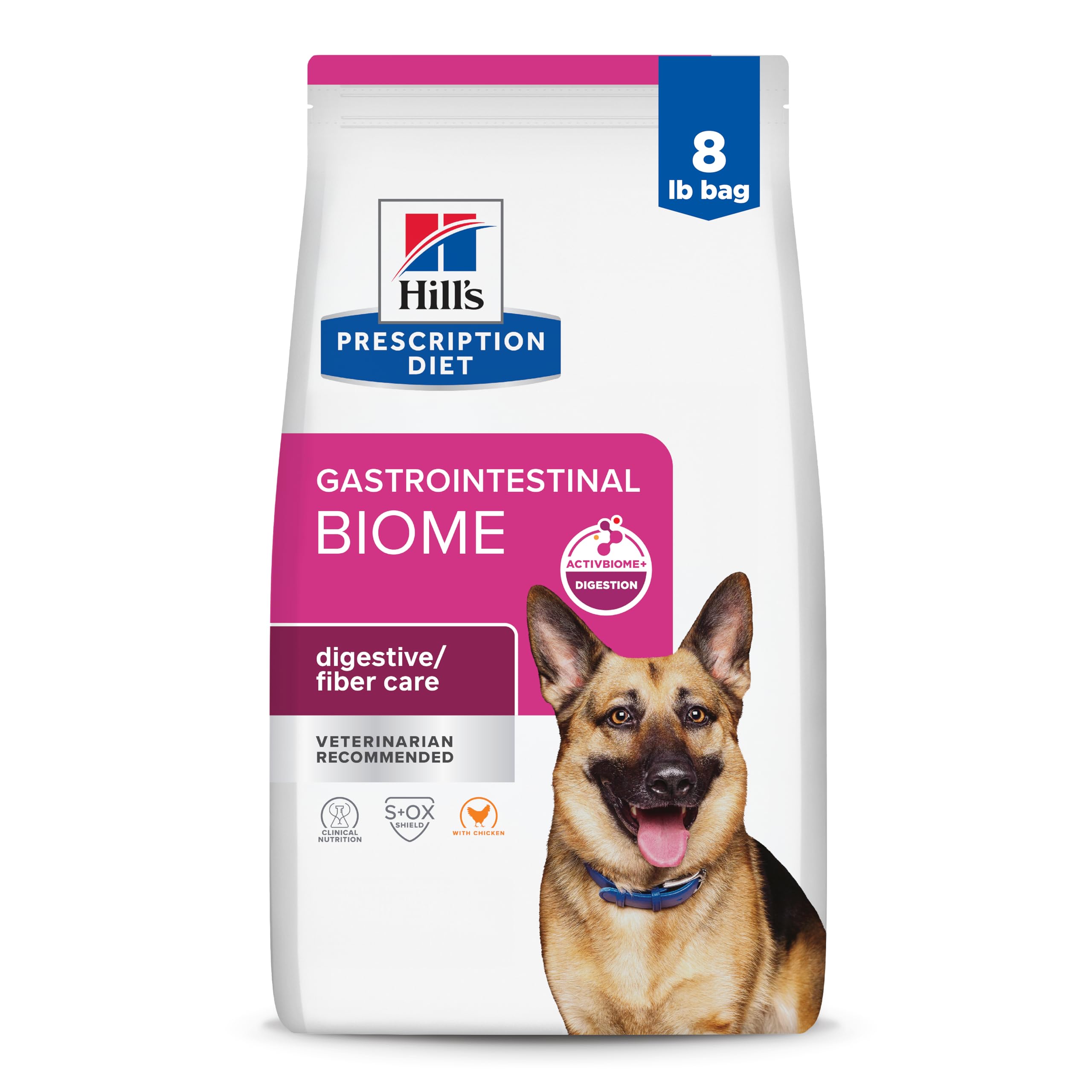
Hill's Prescription GI Biome

Severe GI issues

Our Score 9.6/10
Check Price

Worth Noting

  • Chicken and grain ingredients may contribute to yeast issues, contrary to the buyer's goal
Grain-Free
No (contains grains)
Probiotics
Yes (ActivBiome+)
Carb Source
Prebiotic fibers
Protein Source
Chicken
Read the full review

This prescription dry food delivers rapid digestive relief with a clinically backed fiber blend that firms stool within a day. High omega-3 levels support skin and coat health. However, chicken and grains are primary ingredients, which can feed yeast, and veterinary authorization is needed to purchase. Priced at a premium, it's a targeted tool for dogs with chronic GI issues, not for yeast control.

Bottom line: Only consider this if your dog's primary problem is digestive upset rather than yeast, and you have vet approval for a prescription diet.

2

Blue Basics Small Breed Turkey

Blue Basics Small Breed Turkey

Small breed yeast

Our Score 9.4/10
Check Price

Worth Noting

  • LifeSource Bits may be rejected by some dogs, leaving a pile of uneaten pellets
  • Palatability varies
Grain-Free
Yes
Probiotics
No (LifeSource Bits)
Carb Source
Potato
Protein Source
Turkey
Read the full review

This Blue Buffalo Basics recipe uses turkey as a single novel protein and potato instead of grains – a smart choice for small dogs with yeast infections or chicken allergies. The small kibble size fits tiny mouths easily, making it a practical pick for toy breeds that struggle with larger pieces. However, the formula skips probiotics, which the top pick includes, and the LifeSource Bits (antioxidant pellets) may get picked out and left behind, creating a bit of mess.

It works best for owners of small-breed dogs who need a simple, grain-free diet and don't mind that the bits sometimes get rejected. Palatability varies – some dogs turn up their noses – so buying a small bag first is wise. Not suitable for large breeds due to kibble size and lack of probiotics for digestive support.

Start with the 4-lb bag to test your dog's acceptance of the food – and the LifeSource Bits – before committing to a larger size.

Bottom line: If your small breed dog needs a simple turkey-based diet for yeast control and you can work around the occasional pickiness, this is a solid mid-range option. For probiotic support or larger dogs, look at the top pick instead.

3

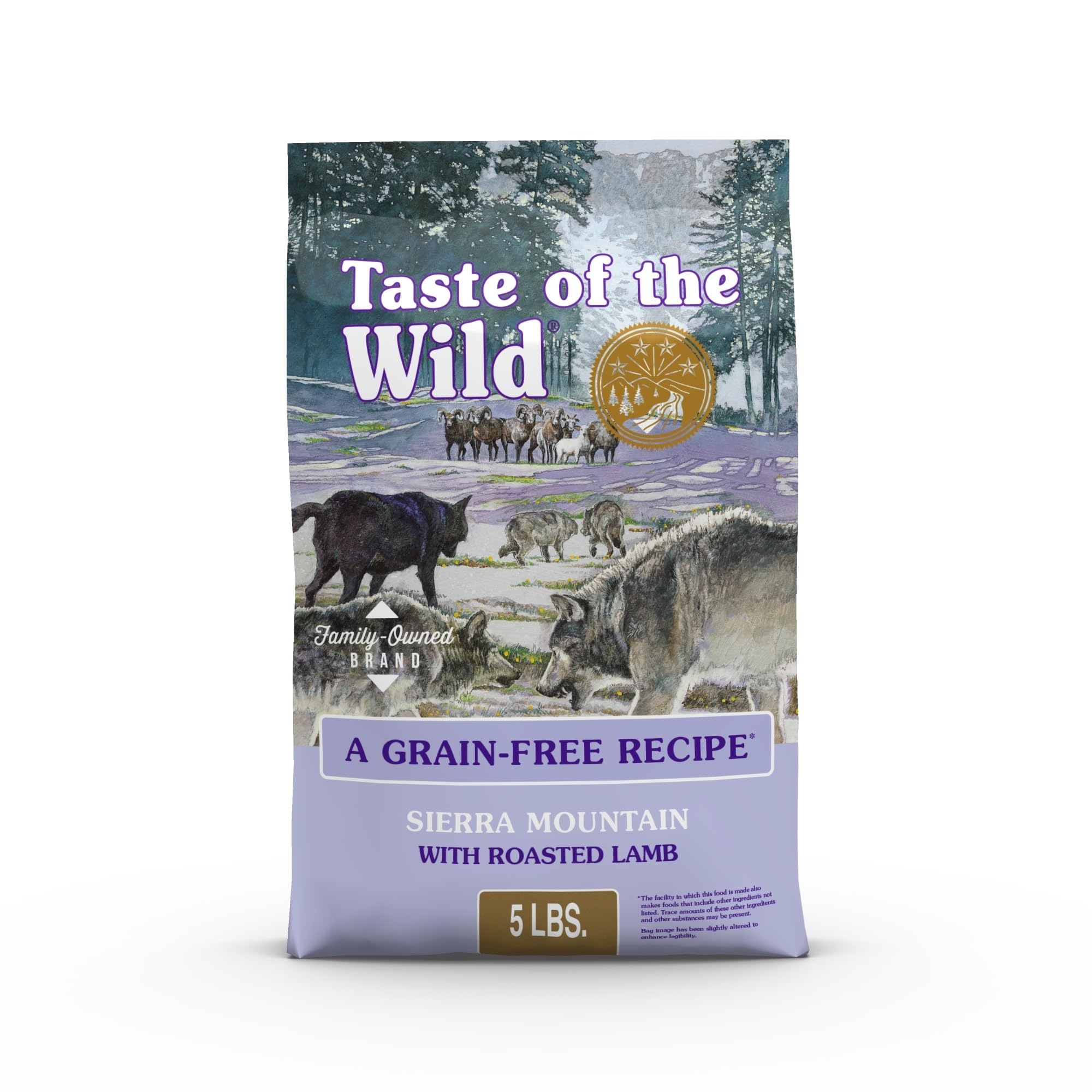
Taste of the Wild Sierra Lamb

Taste of the Wild Sierra Lamb

Grain-free lamb

Our Score 9.4/10
Check Price

Worth Noting

  • Small 5-pound bag has a higher per-pound cost than larger sizes
  • Rich protein content can cause digestive upset in sensitive dogs when transitioning
Grain-Free
Yes
Probiotics
Yes (6 strains)
Carb Source
Sweet Potatoes, Lentils, Peas
Protein Source
Lamb, Lamb Meal
Read the full review

Taste of the Wild Sierra Mountain uses lamb as a novel protein source, paired with six probiotic strains and omega fatty acids from salmon oil to support yeast management. The 5-pound bag size means a higher per-pound cost compared to bulk options, and the rich protein content may cause digestive upset in sensitive dogs during transition. This food works best for owners who prefer lamb over salmon and have dogs with yeast infections or grain allergies, but it is not ideal for budget-conscious buyers needing large quantities or dogs with very sensitive digestion.

Transition gradually over 7-10 days to minimize digestive upset when switching from a lower-protein food.

Bottom line: If your dog can't tolerate salmon and you prioritize a lamb-based grain-free formula with probiotics, this is a strong runner-up despite the higher per-pound cost and potential digestive adjustment.

4

Pro Plan Sensitive Small Breed Salmon

Pro Plan Sensitive Small Breed Salmon

Small breed sensitive

Our Score 9.4/10
Check Price

Worth Noting

  • Rice content may feed yeast in dogs prone to fungal overgrowth.
Grain-Free
No (contains rice)
Probiotics
Yes (live probiotics)
Carb Source
Rice
Protein Source
Salmon
Read the full review

Purina Pro Plan blends salmon with live probiotics to support sensitive skin and digestion in small breeds. The rice content, however, may feed yeast, making this a secondary option for dogs prone to fungal overgrowth. Suitable for mild sensitivity if your dog tolerates grains.

Bottom line: A decent option for small breeds with mild skin sensitivity and no yeast issues; not recommended if yeast management is the primary goal.

5

Hill's Small Bites Lamb & Rice

Hill's Small Bites Lamb & Rice

Chicken allergy

Our Score 9.4/10
Check Price

Worth Noting

  • Brown rice content makes it unsuitable for yeast management
Grain-Free
No
Probiotics
No
Carb Source
Brown Rice
Protein Source
Lamb Meal
Read the full review

Hill's lamb-based recipe offers a novel protein source for dogs allergic to chicken, in a tiny kibble that suits small mouths and senior dogs. The formula is backed by veterinary recommendations, and the small size works well for toy breeds. But the brown rice content means this is not grain-free, which limits its usefulness for yeast control. Some batch variation has also been noted with occasional digestive upset. This food fits best when you need a chicken-free option without yeast concerns.

Bottom line: A decent pick for small dogs with chicken allergies only if yeast is not a concern.

6

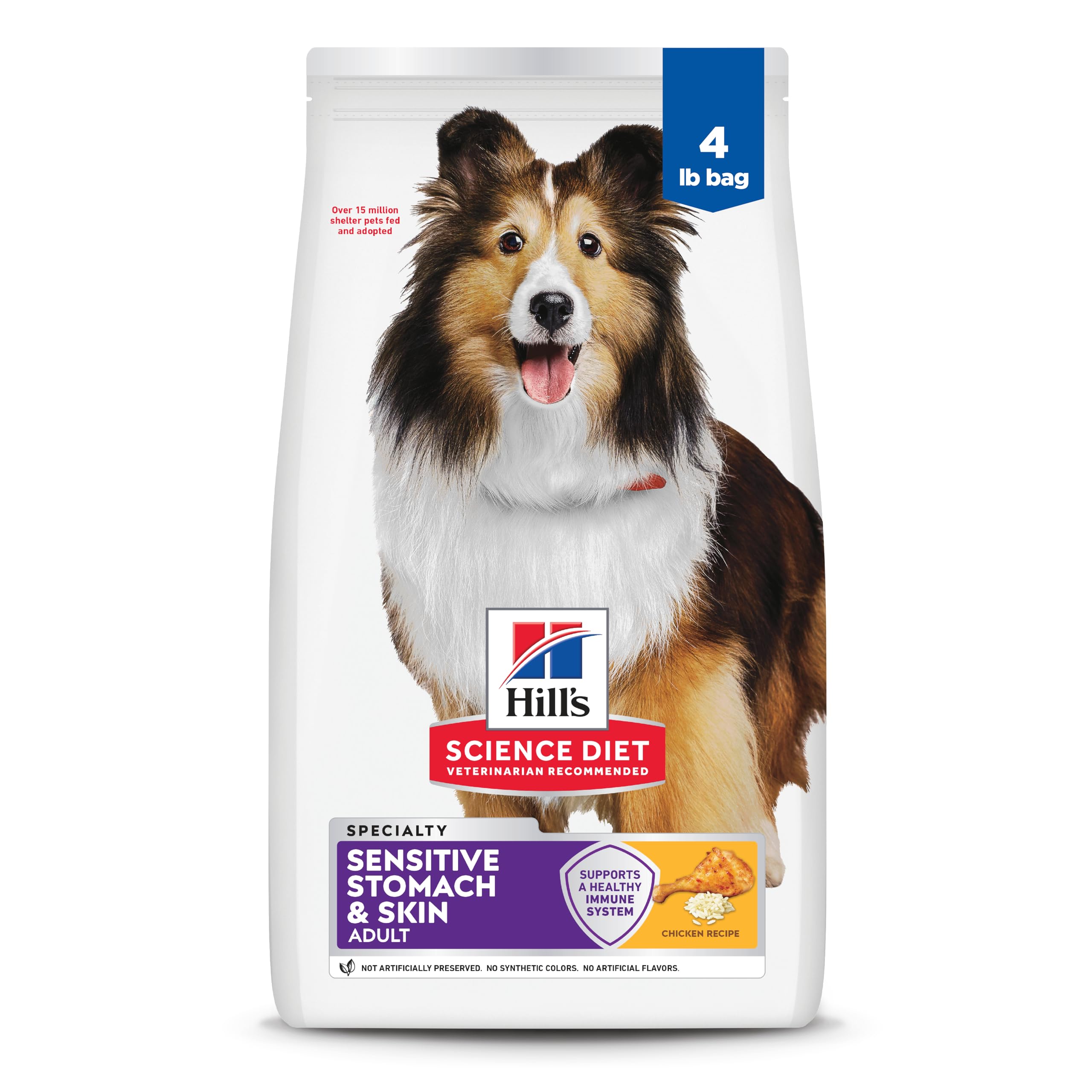
Hill's Sensitive Stomach Chicken

Hill's Sensitive Stomach Chicken

Sensitive stomach

Our Score 9.4/10
Check Price

Worth Noting

  • Contains chicken and grains that can aggravate yeast or allergies.
Grain-Free
No
Probiotics
No (prebiotic only)
Carb Source
Barley, Prebiotic Fiber
Protein Source
Chicken
Read the full review

Hill's Science Diet delivers strong digestive support with clinical testing and consistent quality. However, the chicken and barley base can trigger yeast or allergies in sensitive dogs, making it a poor fit for yeast management. This formula suits dogs with non-yeast digestive upset where a vet-recommended brand is preferred.

Bottom line: Choose this if your dog needs digestive support without yeast concerns and you want a well-tested option.

7

Diamond Naturals Skin & Coat Salmon

Diamond Naturals Skin & Coat Salmon

Yeast & allergy

Our Score 9.2/10
Check Price

Worth Noting

  • Some dogs may experience temporary digestive upset if transition is rushed
  • Strong fishy odor can be off-putting for owners, especially in warm storage
Grain-Free
Yes
Probiotics
Yes (proprietary K9 strain)
Carb Source
Potato
Protein Source
Salmon
Read the full review

Diamond Naturals Skin & Coat Salmon delivers a grain-free salmon recipe with proprietary probiotics and omega fatty acids from salmon oil, targeting the root causes of yeast overgrowth – common allergens like chicken and grains are absent. The 30lb bag offers exceptional value compared to similar grain-free salmon options, and the probiotic blend supports digestive health from the start.

This food works well for dogs with yeast infections or skin allergies, especially those sensitive to chicken. The medium-large kibble suits medium and large breeds. Two tradeoffs: the strong fishy smell may linger in warm spaces, and a gradual 7–10 day transition is recommended to avoid temporary loose stools. Dogs with extremely sensitive stomachs may still react to the novel protein – monitor closely during the first week.

Gradually mix with the previous food over 7–10 days to minimize stomach upset.

Bottom line: For owners managing yeast infections on a budget, this bag delivers grain-free salmon and probiotics at a price that's hard to beat – just prepare for the smell and a gradual switch.

8

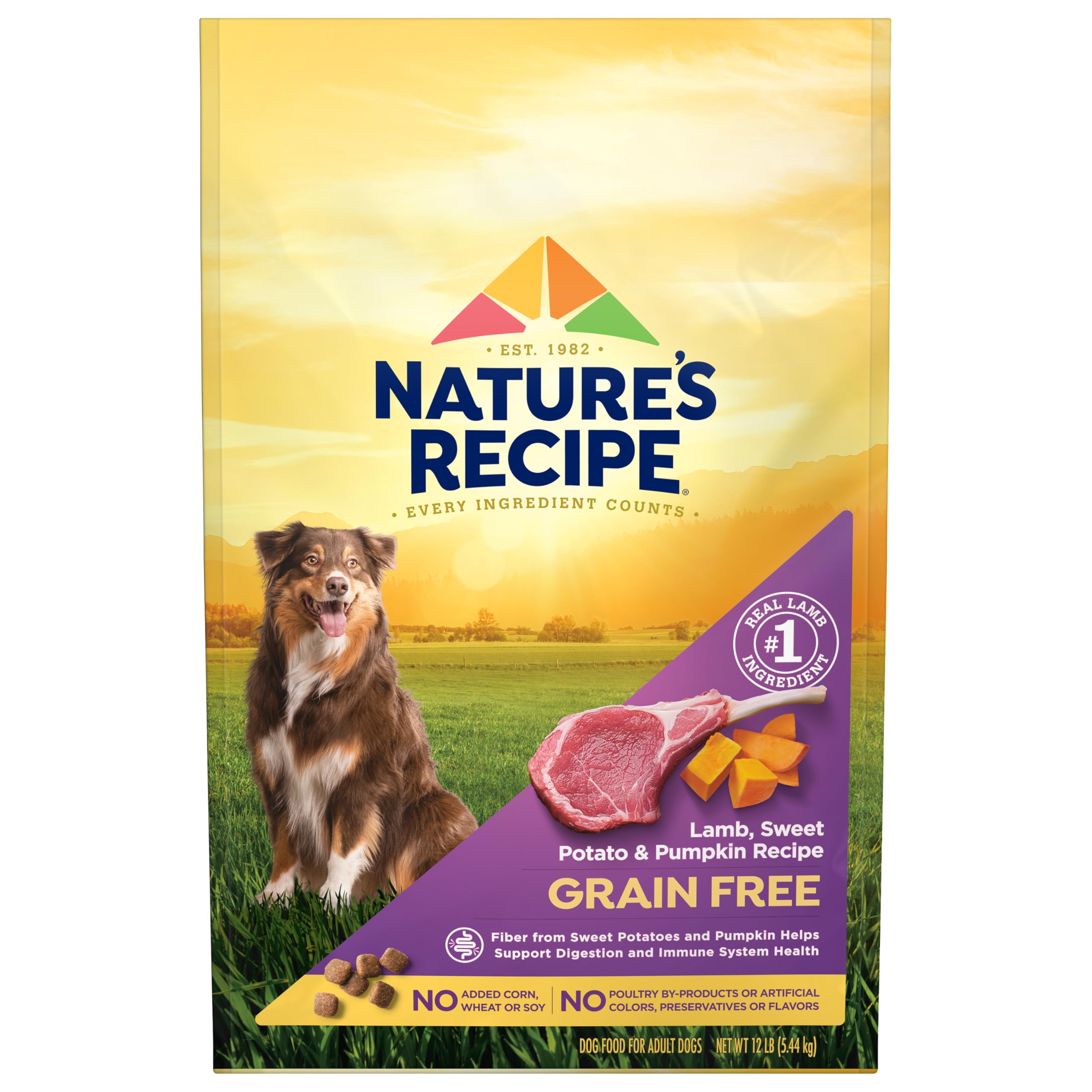
Nature's Recipe Lamb Sweet Potato

Nature's Recipe Lamb Sweet Potato

Budget yeast control

Our Score 9.2/10
Check Price

Worth Noting

  • In a closed kitchen or pantry, the fishy odor can be noticeable
  • Some dogs may experience stomach irritation during the transition period, so a slow introduction is recommended.
Grain-Free
Yes
Probiotics
No
Carb Source
Sweet Potato, Pumpkin
Protein Source
Lamb
Read the full review

Nature's Recipe offers the most affordable grain-free lamb formula, using sweet potato and pumpkin as low-glycemic carbs to help manage yeast. The strong odor can be off-putting in enclosed spaces, and some dogs may experience digestive irritation — this suits owners on a budget who can work around these trade-offs.

Store the bag in a sealed container or feed outdoors to minimize odor; transition gradually over 7-10 days to reduce digestive upset.

Bottom line: A budget-friendly choice for owners willing to accept the odor and potential digestive sensitivity to get a grain-free lamb formula for yeast management.

9

Nutrish Salmon & Sweet Potato

Nutrish Salmon & Sweet Potato

Salmon lovers

Our Score 9.2/10
Check Price

Worth Noting

  • Some dogs may experience digestive upset or allergic reactions
Grain-Free
Yes
Probiotics
No
Carb Source
Sweet Potato
Protein Source
Salmon
Read the full review

This salmon-based grain-free formula offers a clean ingredient list at a budget-friendly price, and each purchase supports animal charities. However, some dogs may experience digestive sensitivity, and the large kibble size is less suitable for small breeds. It lacks added probiotics found in top competitors, making it a secondary choice for yeast management.

Bottom line: A decent option for owners who prioritize a grain-free salmon diet and charity support, provided their dog has no salmon sensitivity and can handle larger kibble.

10

Wellness Complete Whitefish Sweet Potato

Wellness Complete Whitefish Sweet Potato

Chicken-free grains

Our Score 9.2/10
Check Price

Worth Noting

  • Contains grains that can feed yeast
Grain-Free
No (contains grains)
Probiotics
No
Carb Source
Sweet Potato
Protein Source
Whitefish
Read the full review

Whitefish provides a novel protein for dogs with chicken sensitivities, and the sweet potato base offers balanced nutrition with added antioxidants and taurine. However, the inclusion of grains (barley, rice) makes this kibble less ideal for managing yeast infections, and the strong fishy odor may be off-putting to some owners. It is a reasonable pick for dogs that do well with grains and need a chicken-free diet.

Bottom line: Best for owners seeking a chicken-free, grain-inclusive kibble who are not primarily concerned with yeast management.

11

Pro Plan Wet Chicken/Beef Variety

Pro Plan Wet Chicken/Beef Variety

Picky eaters

Our Score 9.2/10
Check Price

Worth Noting

  • Chicken and beef are common allergens that may worsen yeast infections.
Grain-Free
No (contains rice)
Probiotics
No
Carb Source
Rice
Protein Source
Chicken, Beef
Read the full review

This wet food delivers high moisture and a soft pate texture that picky dogs tend to enjoy, with complete nutrition from a trusted brand. However, the use of chicken and beef as protein sources (plus rice as a carb) means it can aggravate yeast issues in dogs with sensitivities. It works as a temporary hydration boost for dogs that refuse dry food, but it is not a solution for yeast management.

Bottom line: Only consider this if your dog refuses dry food and you need a temporary hydration option, but it will not help manage yeast infections.

12

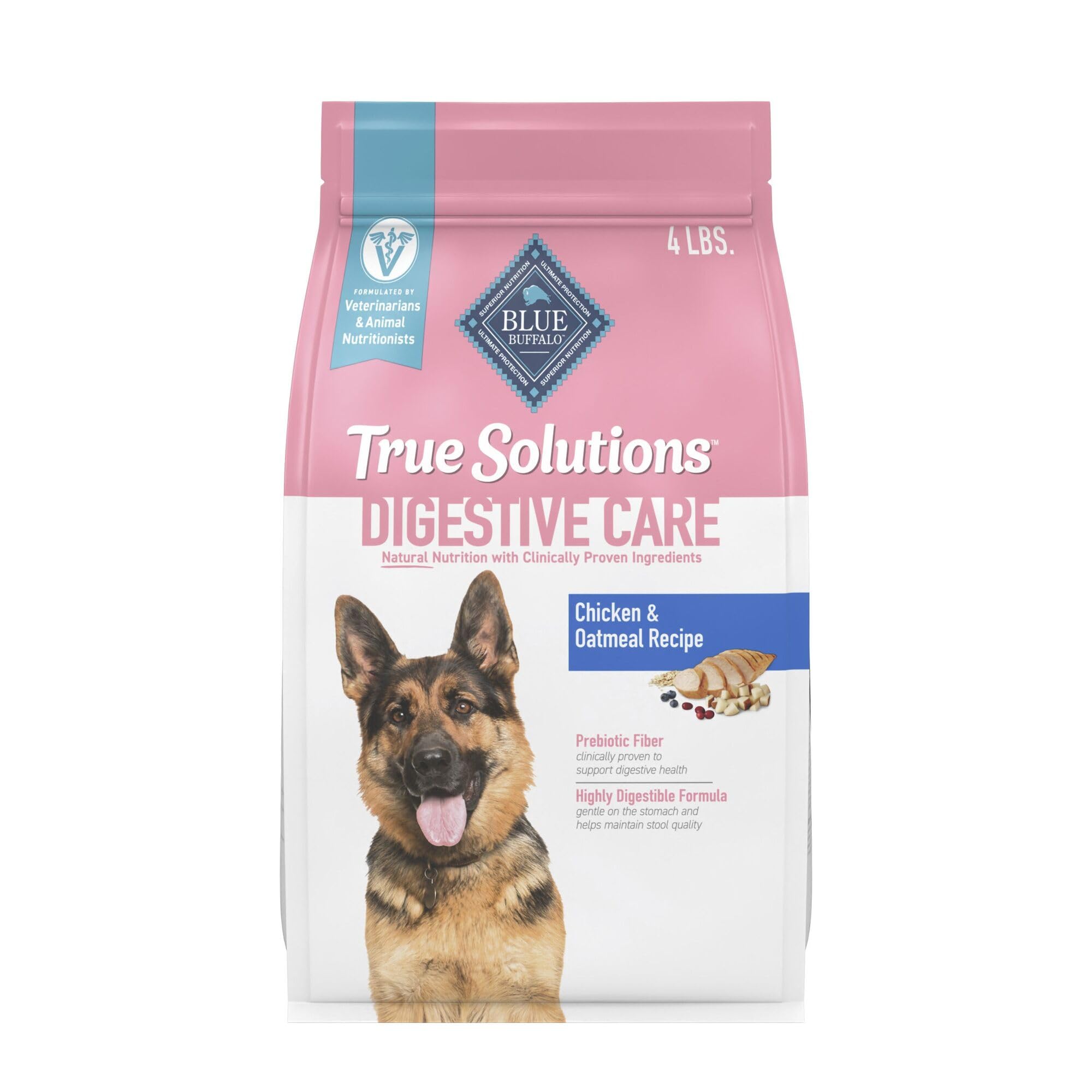
Blue True Solutions Digestive Chicken

Blue True Solutions Digestive Chicken

General digestive

Our Score 9.2/10
Check Price

Worth Noting

  • Chicken and grains can trigger yeast overgrowth in susceptible dogs.
Grain-Free
No
Probiotics
No (prebiotic only)
Carb Source
Prebiotic fiber
Protein Source
Chicken
Read the full review

This budget-friendly food uses clinically studied prebiotic fiber to support stool quality in dogs with mild digestive issues. However, the chicken and grain base can aggravate yeast infections, so it only fits owners seeking gentle nutrition for non-yeast digestive complaints.

Bottom line: Fits owners on a tight budget who need a gentle food for general digestive issues, but not a solution when yeast management is the goal.

13

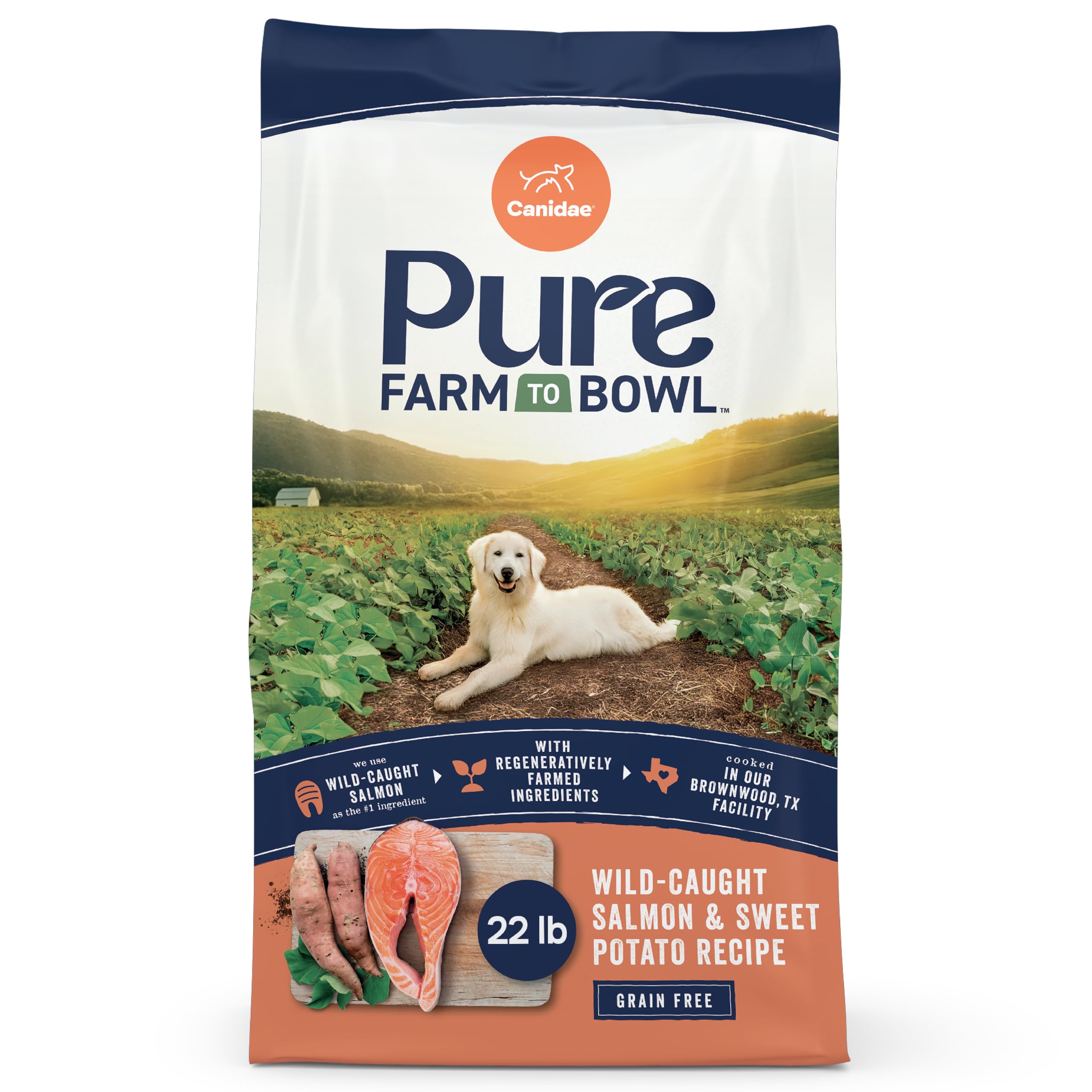
Canidae Pure Salmon & Sweet Potato

Canidae Pure Salmon & Sweet Potato

Premium yeast care

Our Score 9.0/10
Check Price

Worth Noting

  • Strong fishy odor may be off-putting in some households.
  • Premium price and some dogs may experience digestive upset.
Grain-Free
Yes
Probiotics
Yes
Carb Source
Sweet Potato
Protein Source
Wild-Caught Salmon
Read the full review

This salmon-based limited-ingredient formula combines wild-caught salmon with sweet potato and probiotics, supporting yeast management and allergy relief. Its regeneratively farmed ingredients set it apart on sourcing ethics, but the premium price and potential for digestive upset or odor aversion mean it suits owners who value ingredient transparency and have dogs that accept salmon-based foods.

Transition slowly over 7-10 days to minimize digestive upset; if odor is an issue, try mixing with a small amount of wet food.

Bottom line: For owners who prioritize ingredient sourcing and label transparency, this salmon formula delivers allergy relief with a cleaner profile than the value leader.

14

Purina ONE Wet Variety Pack

Purina ONE Wet Variety Pack

Hydration topper

Our Score 9.0/10
Check Price

Worth Noting

  • Some cans arrive dented, rusted, or with mold.
Grain-Free
Yes (wet food)
Probiotics
No
Carb Source
Gravy (low carb)
Protein Source
Turkey, Venison, Chicken, Duck
Read the full review

High-moisture wet food variety featuring turkey and venison for rotation, ideal for picky eaters needing hydration. However, the pack includes chicken and duck, common allergens that can trigger yeast issues, so this works best as a topper rather than a standalone diet. Occasional can damage has been noted.

Bottom line: Use this as a topper to add moisture and novel protein rotation, provided chicken and duck are not triggers for your dog's yeast issues.

How to Choose

Grain-Free or Low-Glycemic Carbs

Grains like corn, wheat, and rice break down into sugars that feed yeast. Even 'grain-free' foods can be high in potatoes or peas, which also spike blood sugar. Look for low-glycemic options like sweet potato, lentils, or chickpeas.

Dogs with chronic yeast often see a noticeable reduction in ear discharge and itching within two weeks of switching to a low-glycemic carb source. Monitor your dog's individual response, as some still react to higher starch levels.

Novel Protein Source

Chicken and beef are common allergens that can trigger inflammation and worsen yeast. A novel protein like salmon, lamb, turkey, or venison gives the immune system a break. The fewer protein sources in the food, the easier it is to identify triggers.

Probiotics and Prebiotics

Probiotics help restore healthy gut bacteria that keep yeast in check. Not all probiotics survive the kibble manufacturing process — look for guaranteed live strains or proprietary delivery systems. Prebiotic fiber feeds good bacteria and adds stool firmness.

Omega-3 and Omega-6 Fatty Acids

Omega fatty acids reduce skin inflammation and strengthen the skin barrier, making it harder for yeast to colonize. Salmon and fish oils are the richest sources. Dogs on chicken-based foods often lack these fats unless supplemented.

Limited Ingredient List

Fewer ingredients mean fewer potential triggers. A limited-ingredient diet (often 10 or fewer key components) simplifies elimination trials. Avoid blends with vague 'meat meal' or multiple protein sources when you're still diagnosing the cause.

Frequently Asked Questions