Food & Treats

6 Best Dog Food for Weight Loss 2026: Vet-Approved Picks From Budget to Premium

Find the right weight management dog food for your pup's size, budget, and stomach sensitivity without trial and error.

Helping a dog shed extra pounds is a common goal, but the wrong food can turn it into a battle of upset stomachs, refused meals, or even spoiled bags. Many weight loss formulas promise results yet leave owners dealing with diarrhea or finicky eaters.

This guide cuts through the confusion by focusing on foods that deliver consistent weight loss without common pitfalls. Whether your dog has a sensitive stomach, prefers wet food, or needs a specific kibble size, there are proven options that work.

The key is matching the formula to your dog's individual needs—calorie control, digestive tolerance, and palatability all matter more than a single brand name.

1

Hill's Perfect Weight Dry

Top Pick
Hill's Perfect Weight Dry

All breeds

Our Score 9.6/10
Check Price

Worth Noting

  • Premium pricing may not fit all budgets
L-Carnitine
Yes
Calorie & Fat
Low calorie, high fiber
Read the full review

Hill's Science Diet Perfect Weight delivers measurable weight loss backed by controlled feeding trials. Dogs find the chicken recipe highly palatable, with reports of even picky eaters finishing their bowls, while owners often notice improved coat condition and steady energy levels as their dogs slim down.

This is designed for owners who want a structured, vet-recommended weight management plan for their adult dog — the research behind it shows consistent results across breeds. The premium price reflects that clinical investment, though it may strain monthly pet food budgets. The large 28.5 lb bag suits multi-dog households or those with storage space; single-dog homes may find the size less practical.

Combine with portion control and regular weigh-ins to maximize results and stretch each bag further.

Bottom line: For owners committed to a vet-backed weight management routine, this kibble delivers consistent, measurable results — the cost is an investment in their dog's long-term health.

2

Hill's Science Diet Light Small Bites

Hill's Science Diet Light Small Bites

Small breeds

Our Score 9.6/10
Check Price

Worth Noting

  • Some dogs may develop diarrhea when switching from other foods.
L-Carnitine
Yes
Calorie & Fat
Low calorie, reduced fat
Read the full review

Hill's Science Diet Light Small Bites delivers a low-calorie, reduced-fat recipe in kibble sized for small mouths — a practical alternative to the top pick's broader clinical claims. The chicken meal and barley base with L-Carnitine supports steady weight management for small breeds, especially brachycephalic dogs. For small breed owners focused on portion control, this formula produces consistent weight loss without sacrificing nutrition. However, some dogs may develop diarrhea during the transition; a slow, 7-day switch is recommended to avoid digestive upset.

Introduce this kibble gradually over 7 days to reduce the risk of diarrhea.

Bottom line: For small breed owners wanting a vet-formulated light kibble that fits tiny mouths, this is a practical choice — just plan the transition carefully.

3

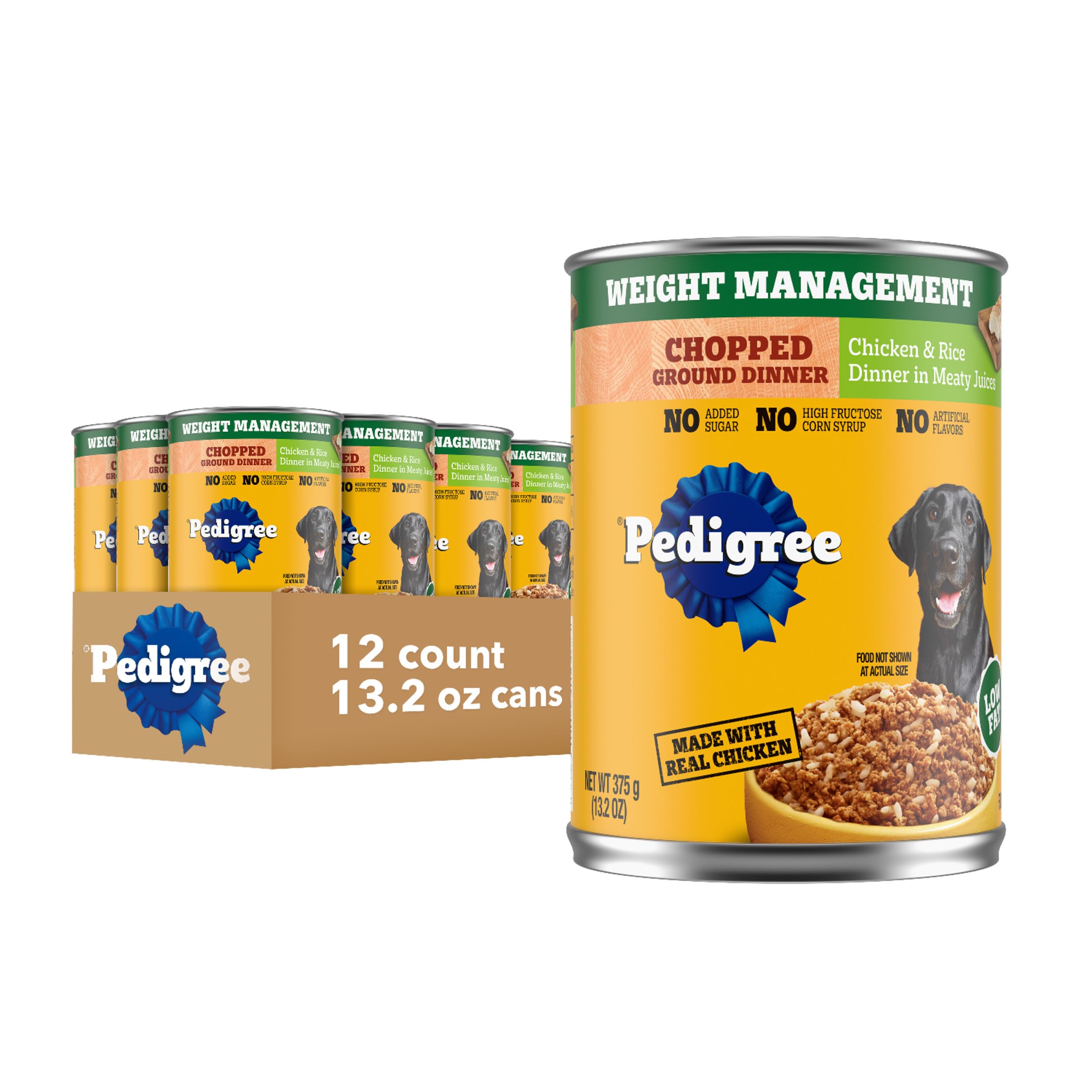
Pedigree Weight Management Wet

Pedigree Weight Management Wet

Budget wet food

Our Score 9.4/10
Check Price

Worth Noting

  • Texture can be thin and sticky, which some dogs may find unappealing
L-Carnitine
No
Calorie & Fat
Low fat
Read the full review

This canned food delivers low-fat nutrition at a fraction of the cost of clinical weight loss brands. The texture is thin and sticky, more like a meaty broth than a chunky stew — ideal for dogs who don't mind a looser consistency but may disappoint those expecting a hearty meal.

This is best for owners on a tight budget whose dogs have weight issues or pancreatitis. The gentle formulation rarely upsets sensitive stomachs, making it a safer choice than some lamb-based alternatives that can cause digestive issues.

Serve at room temperature or mix with a spoonful of low-fat kibble to add texture if your dog is picky.

Bottom line: A cost-effective, stomach-friendly option for weight control with a texture tradeoff that suits many dogs but not all.

4

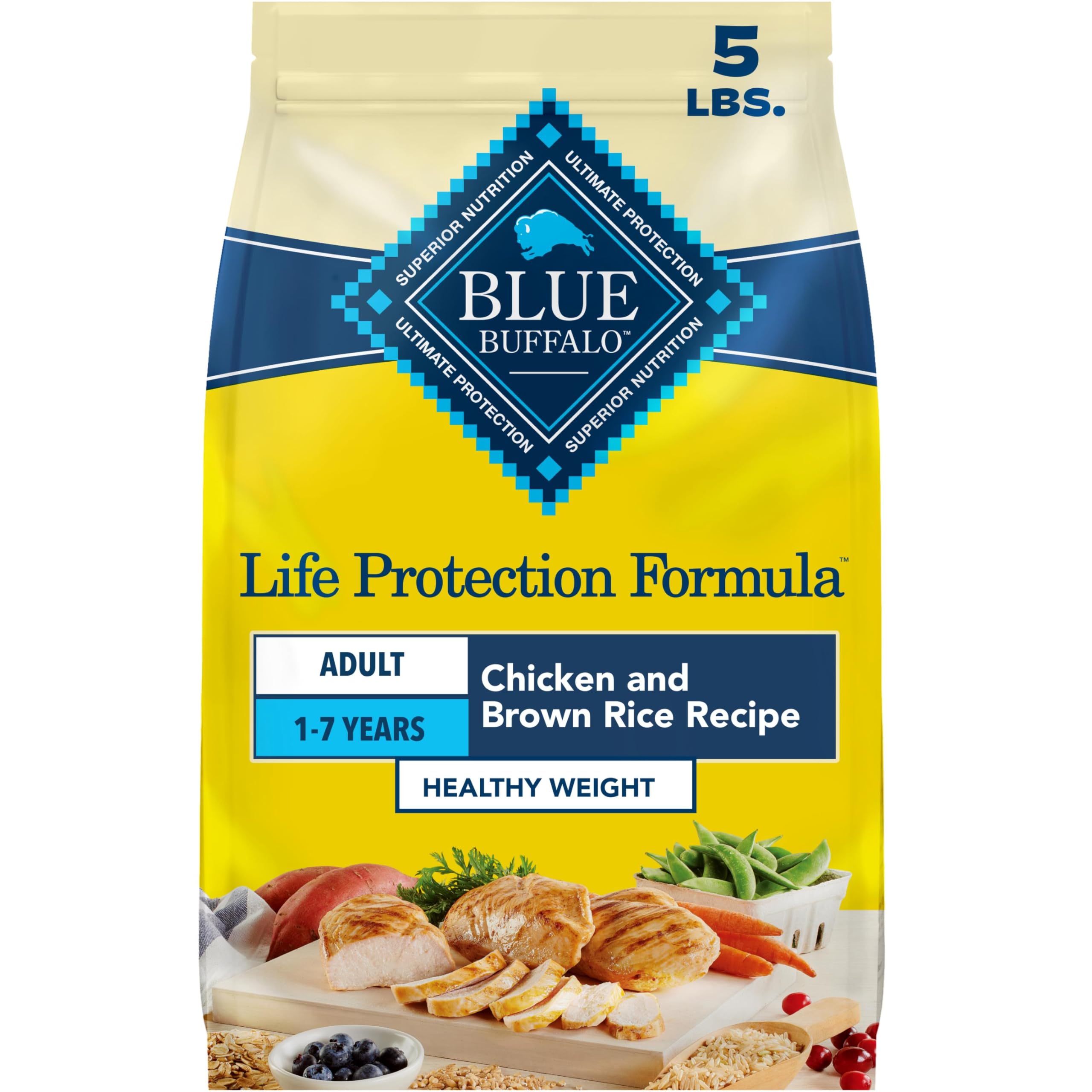
Blue Buffalo Healthy Weight

Blue Buffalo Healthy Weight

Budget dry food

Our Score 9.4/10
Check Price

Worth Noting

  • Some dogs refuse to eat this kibble
L-Carnitine
No
Calorie & Fat
Balanced
Read the full review

This formula leads with real chicken and skips corn, wheat, soy, and artificial additives — a cleaner ingredient list at a budget-friendly price. It supports weight maintenance without the clinical trial backing of the top pick, but for many dogs the natural ingredients make it a sensible choice. However, dogs with sensitive stomachs may experience digestive upset, so it's best suited for dogs that tolerate standard kibble well.

Transition gradually over 7-10 days to minimize the chance of stomach upset.

Bottom line: A sensible pick for dogs with no digestive sensitivity who will eat the kibble — an affordable way to support weight maintenance without artificial fillers.

5

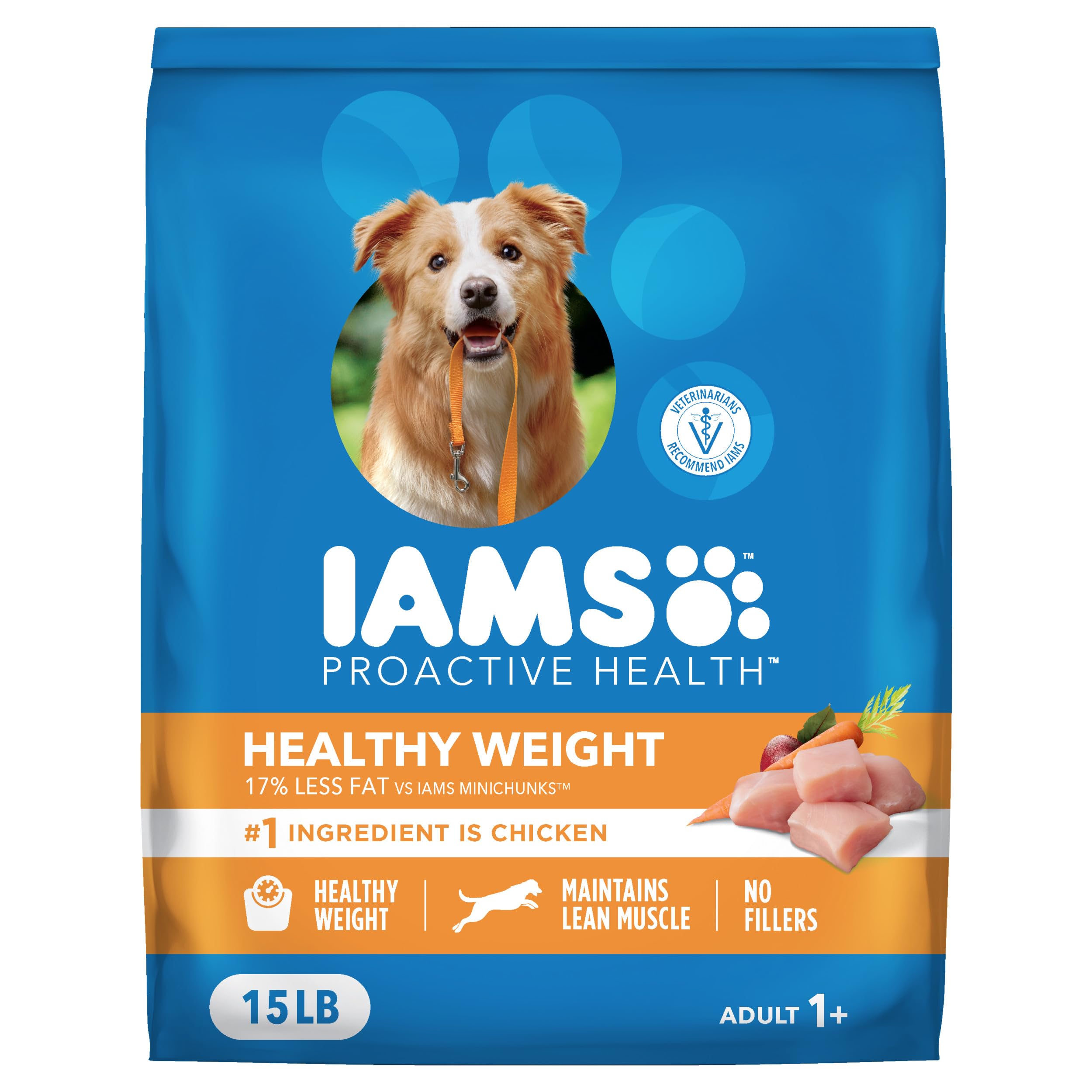
IAMS Healthy Weight

IAMS Healthy Weight

Large breeds

Our Score 9.4/10
Check Price

Worth Noting

  • Some dogs refuse the taste
  • May cause loose stool or diarrhea in dogs with sensitive stomachs
L-Carnitine
Yes
Calorie & Fat
Read the full review

The IAMS Healthy Weight formula delivers 15 pounds of kibble with L-Carnitine to support fat metabolism at a price per pound that undercuts many competitors. It works best for households with multiple dogs or large breeds where the dogs already eat IAMS without digestive trouble. Palatability and digestibility vary — some dogs refuse the food or develop loose stools, so it is not a universal fit.

Transition gradually over 7-10 days to reduce digestive upset.

Bottom line: A budget-friendly weight management option for households where the dog tolerates the formula — not for picky eaters or sensitive stomachs.

6

Purina ONE Wet Healthy Weight

Purina ONE Wet Healthy Weight

Wet food weight

Our Score 9.2/10
Check Price

Worth Noting

  • Cans are mostly thin liquid rather than chunky stew, which may disappoint dogs expecting a hearty texture
L-Carnitine
No
Calorie & Fat
Read the full review

This lamb-based wet food helps dogs lose weight while enjoying mealtime, with real meat as the first ingredient. However, the cans contain significantly more liquid than chunky stew, and some dogs experience loose stools on this formula — best suited for owners who prioritize a lamb protein source over texture and digestive predictability.

Bottom line: A decent option for weight control if your dog loves lamb and you don't mind a soupy texture; monitor stool changes during transition.

How to Choose

Calorie and Fat Content

Lower calorie and fat levels are the foundation of any weight loss diet. Most weight management formulas reduce fat by 15–30% compared to standard adult foods, which cuts calories without sacrificing volume. The trade-off: lower fat can make food less palatable, so some dogs turn up their noses. Look for a balanced reduction that still uses real meat to maintain taste.

Your dog's activity level also matters. A highly active dog may need a moderate calorie cut rather than extreme restriction to avoid losing muscle. For sedentary dogs, a low-calorie, high-fiber formula helps them feel full while still shedding pounds.

Protein-to-Fat Ratio

High protein helps preserve lean muscle during weight loss. When calories drop, the body may break down muscle for energy unless protein intake remains adequate. A ratio of at least 30% protein to 10–12% fat is common in effective weight loss diets. The hidden trade-off: too much protein from plant sources can cause gas or loose stools in sensitive dogs. Animal-based proteins (chicken, turkey, lamb) are more digestible and better for muscle retention.

L-Carnitine

L-Carnitine is an amino acid that helps the body convert fat into energy. It is added to many weight loss formulas to boost metabolism and support fat burning. While not a magic bullet, it can improve the efficiency of weight loss in dogs that are fed a controlled calorie diet. The catch: L-Carnitine works best when combined with exercise. A dog eating the same amount but getting more walks will see faster results than one that is sedentary.

Kibble Size

Kibble size affects how fast a dog eats and whether they feel satisfied. Small kibble is easier for small breeds and brachycephalic dogs to pick up and chew, which can slow down gulping and reduce bloating risk. Large kibble may encourage chewing but can be too big for little mouths. The trade-off: larger pieces often have lower calorie density because they contain more air, so a cup of large kibble may have fewer calories than a cup of small kibble. Check the feeding guide to compare by weight, not volume.

Digestibility and Fiber

High fiber adds bulk and helps dogs feel full, but too much fiber can cause loose stools or flatulence. The best weight loss foods use prebiotic fibers like beet pulp or chicory root to support digestion without upset. The hidden issue: some dogs react poorly to abrupt fiber increases. A gradual transition over 7–10 days is essential to avoid diarrhea. If your dog has a sensitive stomach, look for formulas with added probiotics to ease the switch.

Frequently Asked Questions